Truth & Goodness
Hikikomori and the Hidden Logic of Isolation
03 September 2026





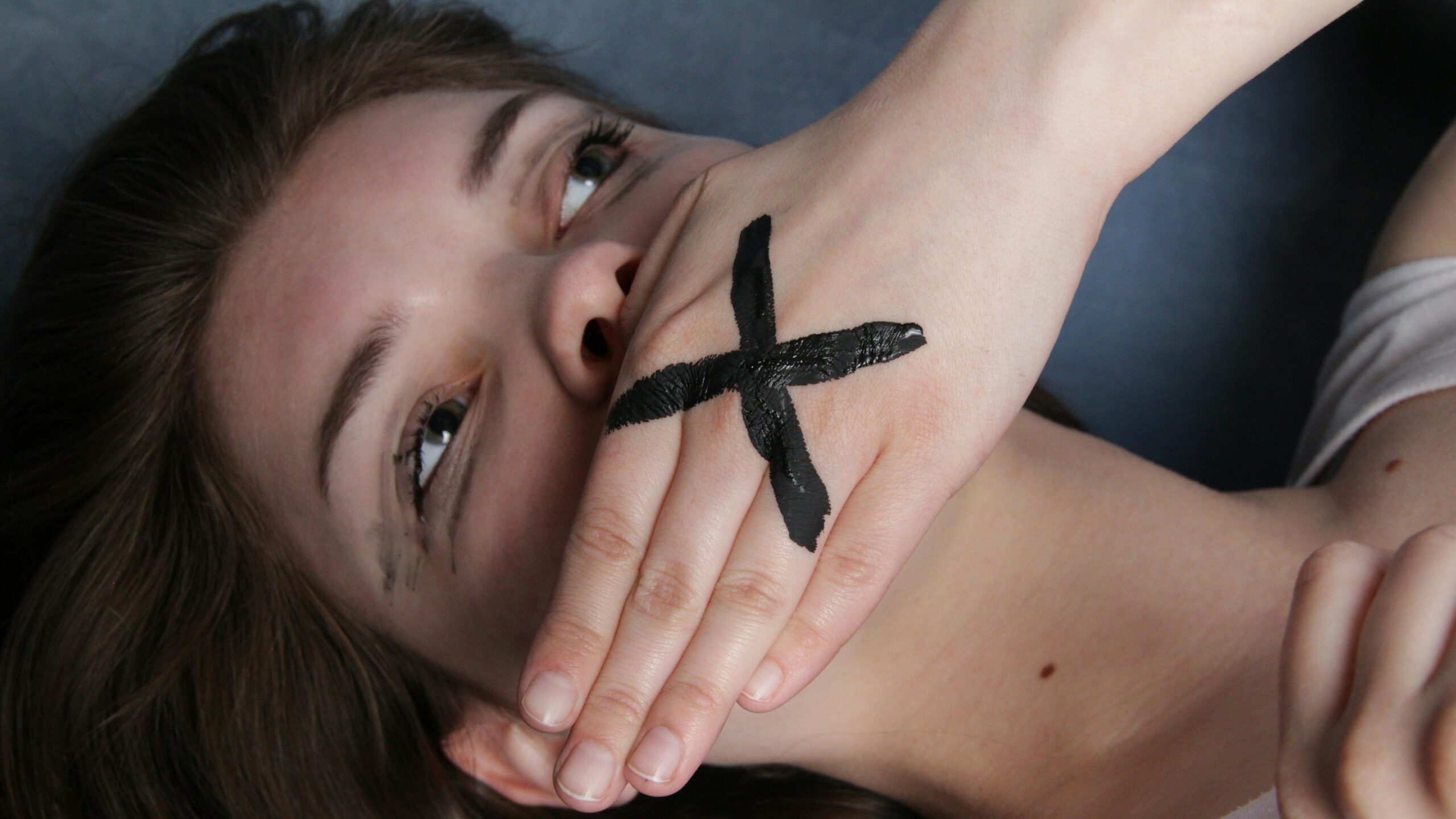
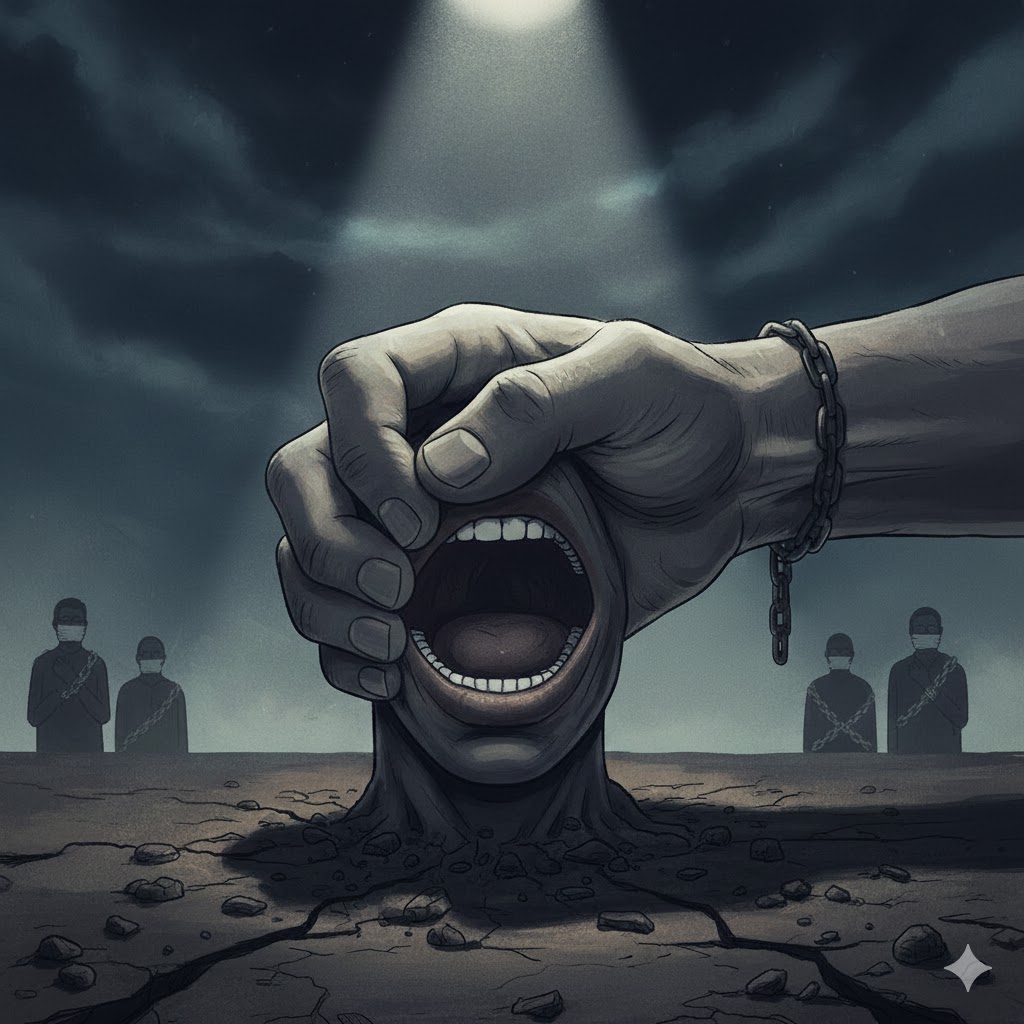
The number of instances where the fight against "hate speech" morphs into a tool for silencing criticism is rising across Europe. Consequently, the issue of censorship in Europe is becoming increasingly acute. Teachers fear reporting problems, satirists hesitate to joke, and academics worry about publishing. How did the fear of the "hate" label become a form of self-censorship?
According to the European Court of Human Rights, hate speech is spread by those who promote or justify racial hatred, xenophobia, antisemitism, or other forms of intolerance-based hatred—including aggressive nationalism and discrimination against minorities.
At first glance, the definition contains specific terms. However, people can interpret and “stretch” it freely. Needs are significant, appearing as often as criticism of the prevailing narrative itself. Essentially, this is not just about current content surveillance. Specialists fighting “hate speech” must look into the future.
They are working on the minds of people who, under their influence, will think twice before writing anything critical, ironic, or inconsistent with the accepted order. In other words, they self-censor before publishing a thought that deviates from the promoted line.
The adopted scheme of action is usually convenient for the administration. But does it work daily, especially during delicate and conflicting moments?
Teachers know this well. They typically need clear guidelines to manage young people. Schools have no shortage of sensitive and tense situations. An example? In German schools, according to research by Professor Margit Stein of the University of Vechta, nearly 37% of educators report challenges related to religious practices in daily school life.
These manifest in various ways. It starts with boycotting classes, such as singing lessons, which Islam forbids. Next, there is harassment of “infidel” children who eat during fasts or consume haram food. Finally, parents at meetings where mothers speaking up receive cold stares. A woman should not do so without permission.
Similar examples are increasingly boldly described in German media. Not only politicians from the far-right AfD but also the ruling CDU discuss this.
“Fundamental rights are threatened. This is very dangerous. Parents react to this emotionally. They say they gave the school a chance, that they were students there themselves. They demand concrete action from politicians and withdraw their children from the institution. This is very sad,” commented Sandro Kappe, a CDU politician, for Welt.de, describing the tense situation in Hamburg.
Only a few years ago, similar words would have been classified solely as “hate speech” and, at best, marginalized. In 2022, Michael Hammerbacher, head of the DeVi program (Association for Democracy and Diversity in Schooling and Vocational Training), conducted a study.
It showed that teachers need new tools to cope with the new school reality. Yet, he admitted that many educators fear asking for them—so as not to be accused of spreading hate speech. They know they would then be “stigmatized as ‘Islamophobic’ or ‘right-wing’ just for identifying specific problems in their schools.”
Two years after the 2015 migration crisis, Germany passed the Netzwerkdurchsetzungsgesetz (NetzDG), a law obliging social media to quickly remove “hate speech” from the web.
The sensitivity of social media administrators and algorithms became so high that they preventively removed some posts, even those not containing aggressive formulations, but merely polemicizing with the top-down accepted narrative.
Jürgen Fritz, a blog author, published a critical post on Facebook regarding the aggressive behavior of some young migrants in Germany. He used the phrasing: “Islam does not know freedom of speech or freedom of conscience, so it cannot be reconciled with the constitution of the Federal Republic of Germany.” Facebook removed the post, citing the NetzDG law, as “hate speech against religious groups.” The author’s account was suspended for 30 days.
Der Postillon, a satirical online portal, had a similar experience. They posted a note titled: “German Government: Germans Should Integrate Faster with Migrants.” The post was reported and blocked on Facebook, which again cited NetzDG, claiming the material could “disseminate hatred towards minorities.”
Satire often irritated politicians. But can the criteria applied to this light yet catchy form also be applied to scientific works? It turned out this is possible when content does not align with the accepted ideology.
In 2022, Father and theologian Dariusz Oko was sentenced by a German court to a €3,000 fine (in the first instance, the amount reached €4,800). The Polish clergyman was accused of “incitement to hatred” in a text published in a German journal. The article, titled On the Need to Limit Homosexual Cliques in the Church, concerned homosexuals committing abuse in the Catholic Church and was based on theological assumptions. In the text, Father Oko wrote about the so-called homosexual “Lavender Mafia.”
Despite this, prosecutor Ulf Willuhn accused the clergyman of “incitement to hatred” and “insult and contempt for part of society.”
The editor-in-chief of the Cologne journal where the Polish theologian’s article appeared had to pay €4,000. In the case of the 91-year-old priest who was also an editor, the prosecutor’s actions brought the “expected” reflection in the form of planned future self-censorship. Father Oko assured that he would pay more attention to word choice in articles from now on.
The “fight” against “hate speech” does not only have to rely on the over-interpretation of a vague definition. Authorities can also tighten the law or lower its standards.
In 2011, the Department of Education under Barack Obama issued the so-called “Dear Colleague” letters. Formally, they were not law, only guidelines. In practice, however, they strongly influenced the internal regulations of educational institutions. The administration’s intention was to fight sexual abuse and hostile reactions, for example, towards the trans community.
To be on the list of violators, full proof of guilt was unnecessary. It was enough to convince the adjudicating panel by 50.01 percent. This standard was called the “preponderance of the evidence.”
The case of Caleb Warner is well-known. He was suspended for three years from the University of North Dakota for sexual assault, ruled according to the “preponderance of the evidence.” The problem is that local justice authorities, examining the case according to traditional standards, not only refused to prosecute the student. They even brought charges against his accuser for giving false statements.
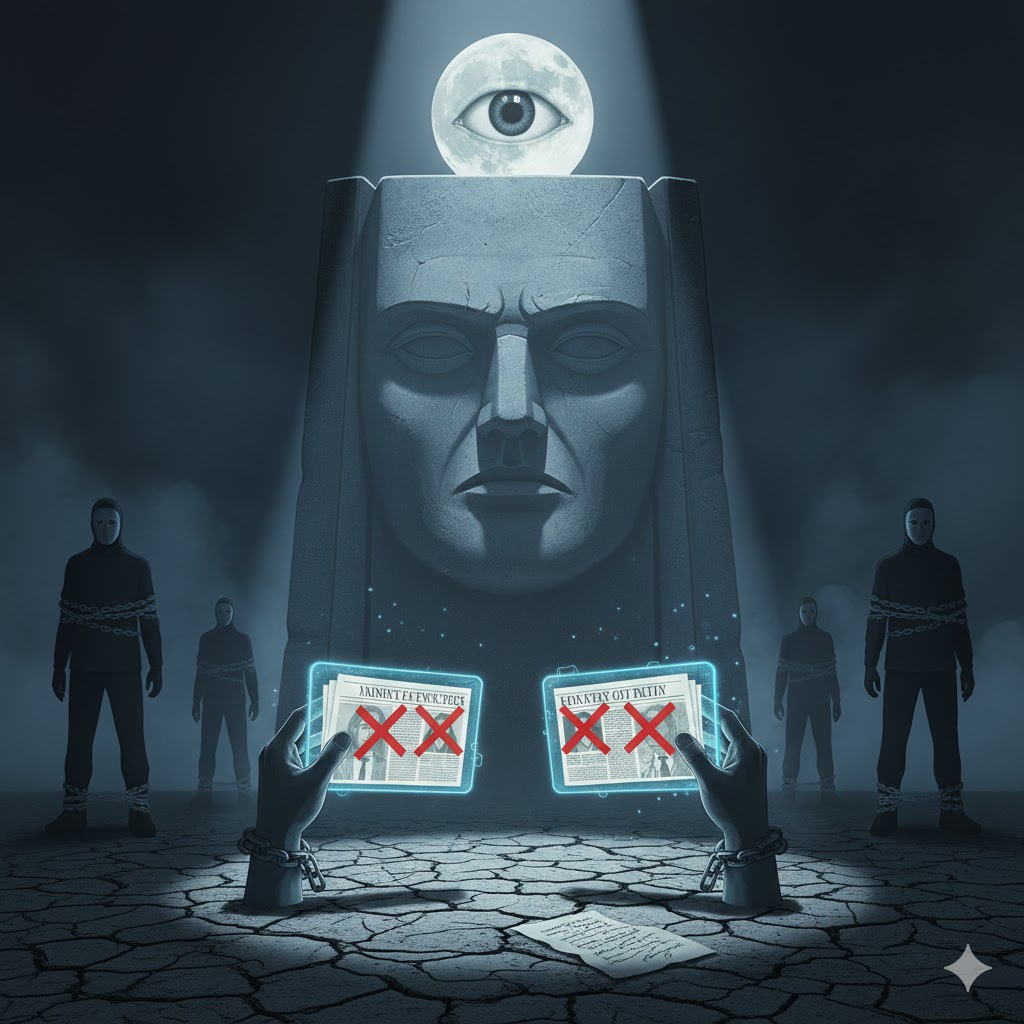
The Dear Colleague guidelines also concerned student publications. According to the FIRE Foundation (Foundation for Individual Rights and Expression), nearly 95 percent of the American colleges and universities it assessed had a mandated speech code.
“As a result, students are discouraged from discussing unpopular opinions not only out of fear of reprisals from other students but also because of a lack of knowledge on how to deal with unpleasant, extreme, or offensive viewpoints,” the FIRE article states.
Finally, a story from Poland illustrating a specific fight against hate speech. In 2020, Piotr Głuchowski published an article in Gazeta Wyborcza titled Let’s Go Further: Piotrków Free from Jews, and the Skatepark from the Disabled.
This concerned the famous “LGBT-free zones,” allegedly existing in Poland. A fake—or, as some prefer, a happening—photo of a road sign with this slogan became a symbol of an international scandal. It aroused the outrage of left-wing MEPs and American Democrats. However, the article’s author demonstrated that the whole witch hunt made no sense and was harmful to Poland.
The LGBT activist Bart Staszewski, the “director” of the whole commotion, was clearly offended by this text. His comment appeared on social media: “An disgusting, manipulation-filled text by @gazeta_wyborcza. I am meeting with lawyers today to consider legal action. This is joining the right-wing smear campaign against activists,” he wrote.
Gazeta Wyborcza obediently removed the text, not wanting to be perceived as a “smearmonger” in the activist’s eyes. Soon after, a complimentary comment from Staszewski himself appeared: “Well, @gazeta_wyborcza removed the text. Very good, only the stink and spasms of the right-wing remained. Maybe a factual analysis in its place?”
The activist’s wish became an order. Wyborcza almost immediately published an article titled We are the Polish record holders in manifesting homophobia. That’s the ‘climate’ in the Lublin region.
The editor responsible for publishing the first article learned a lesson in humility. He certainly will not independently make a decision next time that carries any risk. Ultimately, he learned about the other shades of the fight against “hate speech.”
Read the original article in Polish: Cenzura narasta w Europie? Coraz więcej osób boi się zabierać głos


Journalist, columnist, publisher, and commentator. He was, among other things, the editor and chief of news and journalism at Wirtualna Polska and the publisher of the i.pl portal. Additionally, he collaborated with TVP, the weekly "Do Rzeczy", and the websites www.superhistoria.pl and www.wprost.pl.
Zmień tryb na ciemny