Culture
Between Spectacle and Reflection: What Do We Really Expect From Culture?
18 September 2026





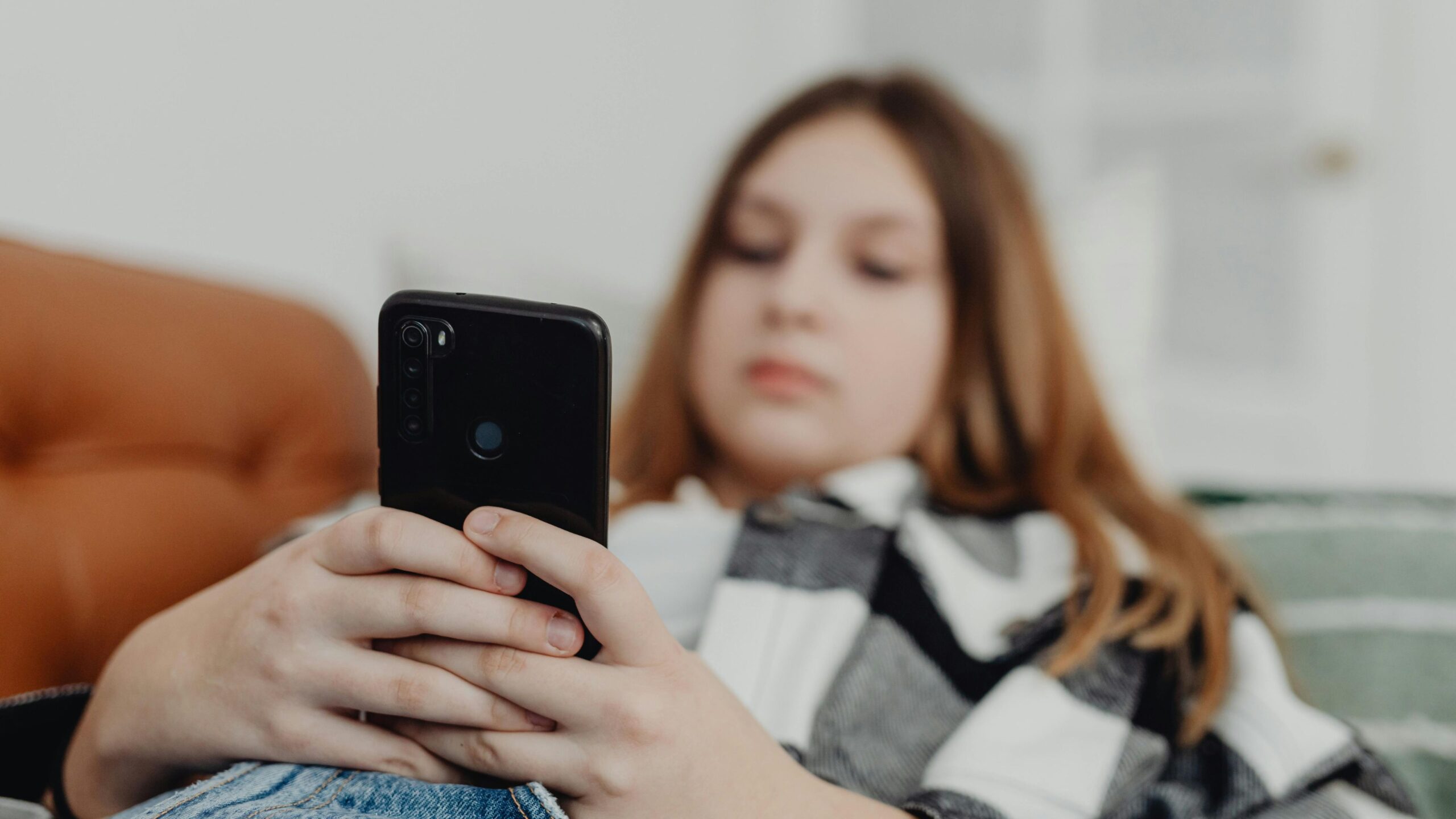
Parents worldwide are observing the same worrying trend: their child closes themselves off in their room, stares at their phone late into the night, and actively avoids peers. Scientists investigated whether this is simply a "phase" or a real warning sign regarding the serious impact of smartphone on children. The results specifically concern children aged 10 to 13.
A common scenario: the early adolescent constantly glued to their phone. Every free moment is spent on the screen. They haven’t read books in ages, and physical activity holds no interest for them. Even when parents successfully encourage an activity, it quickly ends. Friends take a back seat; seeing them at school suffices, with no further need to socialize outside of it. The teen prefers screen time, often to the extent that they are caught using their phone at 2 a.m., despite knowing they have to get up early.
Such observations repeat across communities globally. Indeed, many parents state plainly: the phone has replaced peers, books, and physical movement in their child’s life. Scientists have investigated the real health consequences this screen-time dominance causes.
Researchers from leading American universities, including Columbia University, observed over 10,000 12-year-olds for one year. Some of these children owned their own smartphones, while others did not. The team analyzed the children’s sleep quality, mental well-being, and weight. Differences became apparent sooner than most parents might anticipate.
Consequently, the findings published in the scientific journal American Academy of Pediatrics are alarming.
The results were unequivocal. Teenagers who owned their own smartphones fared clearly worse than their peers without phones—and this occurred in key areas affecting overall health and daily functioning.
The data clearly indicates that owning a smartphone genuinely increases the risk of sleep and mental health problems in early adolescence.
Not all effects were uniform across every age group. For example, among 13-year-olds, smartphone ownership did not increase the risk of obesity. However, it was still strongly associated with poorer sleep and more frequent mental health issues—just as it was for younger children.
“Our results suggest we should view smartphones as a significant factor affecting adolescent health, approaching the decision to give a child a phone with careful consideration of the potential impact on their life and well-being,” said Dr. Ran Barzilay, the study’s lead author, speaking to Prnewswire.com.
Across many developed nations, the smartphone has become the standard device in the first few years of elementary school.
Mental health challenges among young people are systematically worsening globally. Symptoms of depression are a growing concern for teenagers. Furthermore, their physical health is also a cause for anxiety.
Overweight and obesity among children are becoming increasingly widespread across numerous countries. The issue already affects a significant proportion of the youngest population, with forecasts suggesting further increases in the coming years. Therefore, research suggests that limiting smartphone use time may be one factor that truly supports adolescent health—both mentally and physically.
The decision of when and how a child uses a smartphone is increasingly becoming one of the most critical challenges of modern parenting. This ongoing challenge underscores the severity of the impact of smartphone on children’s well-being.
Read this article in Polish: Smartfon wygrywa z rówieśnikami. Eksperci ostrzegają przed skutkami


A graduate of journalism and social communication at the University of Rzeszów. She has been working in the media since 2019. She has collaborated with newsrooms and copywriting agencies. She has a strong background in psychology, especially cognitive psychology. She is also interested in social issues. She specializes in scientific discoveries and research that have a direct impact on human life.



Zmień tryb na ciemny