Truth & Goodness
Circadian Rhythm and the Quiet Order of the Day
04 September 2026





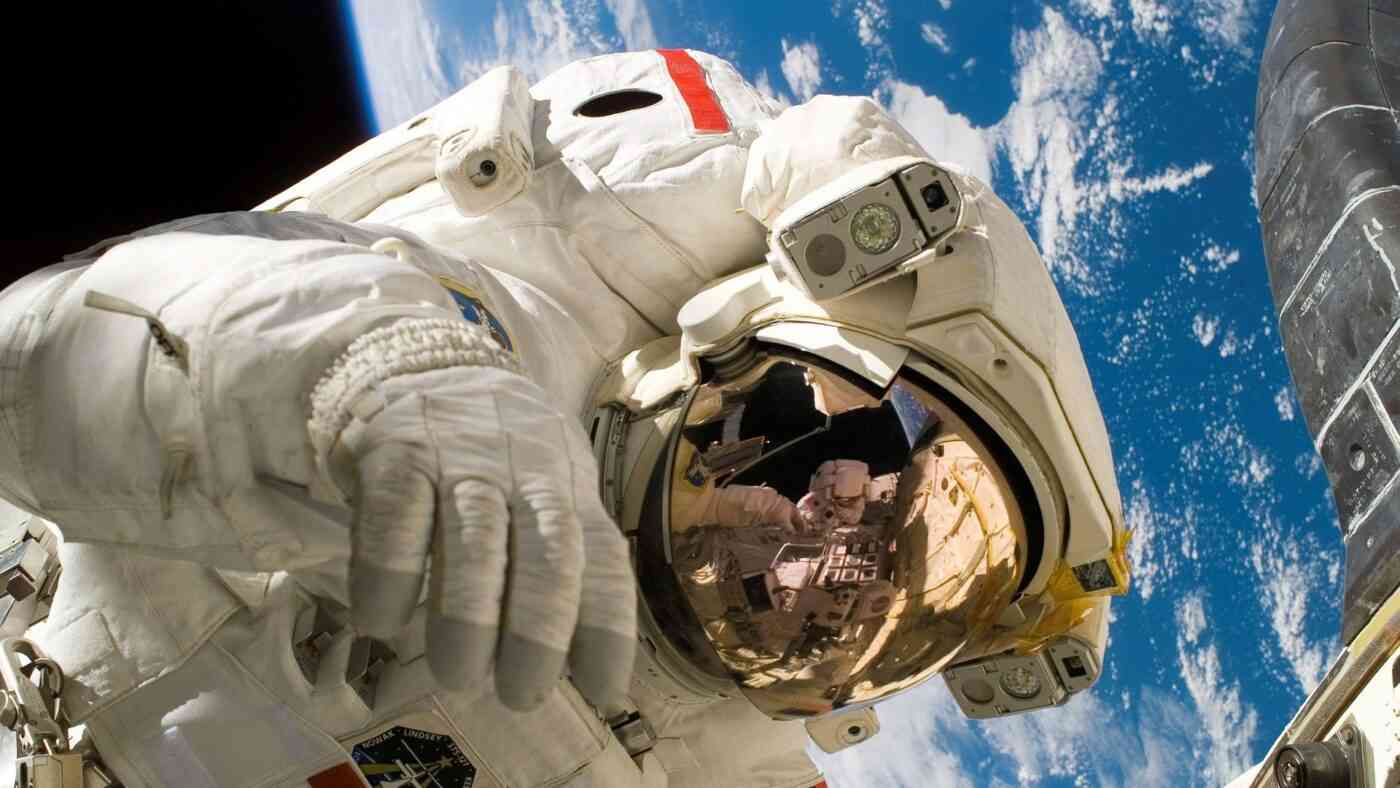
This marks a historic milestone in space exploration. In February 2026, NASA plans the Artemis II launch—the first crewed mission to the Moon since the Apollo program ended in 1972.
NASA’s Artemis program represents an ambitious step toward landing humans on the Moon again and serves as a vital preparation phase for future crewed missions to Mars. The scheduled February 2026 Artemis II launch stands as the program’s pivotal moment. It will be the first crewed journey around the Moon since Apollo 17 in 1972. Thus, after a break of more than 50 years, humanity will return to lunar orbit.
Artemis II is the second mission within NASA’s Artemis program, following the successful uncrewed flight of Artemis I in 2022. During this flight, a four-person crew will orbit the Moon without landing on its surface.
The 10-day mission aims to test the systems necessary for future lunar landings. Engineers will verify the Space Launch System (SLS) rocket and the life-support systems on the Orion spacecraft, including oxygen generation and the removal of carbon dioxide and water vapor. The team will also conduct tests during the crew’s physical activity and sleep cycles.
The Artemis II crew consists of veteran astronauts who underwent intensive training simulating equipment failures and orbital maneuvers.
The Artemis II Crew Members:
During the Artemis II mission, the astronauts will break the record for the farthest distance humans have ever traveled from Earth. The previous record, set by the Apollo 13 mission in 1970, reached 248,655 miles (400,171 km). Artemis II may improve this result by approximately 8,700 miles (14,000 km).
The launch window for Artemis II opens on February 6, 2026. However, the exact date depends on factors such as technical readiness and weather conditions. While NASA confirmed the mission will launch no later than April 2026, the agency is targeting February.
The Artemis II launch will take place at the Kennedy Space Center in Florida. The powerful SLS rocket will propel the Orion spacecraft into orbit. Designers built Orion specifically to protect the crew from radiation and micrometeoroids.
After liftoff, the astronauts will perform manual flight control tests near Earth. Later, they will fly toward the Moon, circling it on a “free-return trajectory.” This means the spacecraft will use lunar gravity to change course and return to Earth without needing additional fuel. The mission will conclude with a splashdown in the Pacific Ocean, where the U.S. Navy will recover the crew.
Read this article in Polish: NASA wraca w okolice Księżyca. Misja Artemis II rusza w lutym


A Journalism and Social Communication graduate with 15 years of experience in the media industry. He has worked for titles such as "Dziennik Łódzki," "Super Express," and "Eska" radio. In parallel, he has collaborated with advertising agencies and worked as a film translator. A passionate fan of good cinema, fantasy literature, and sports. He credits his physical and mental well-being to his Samoyed, Jaskier.



Zmień tryb na ciemny