Culture
A Life Spent Becoming Someone Else’s Ideal
12 October 2026





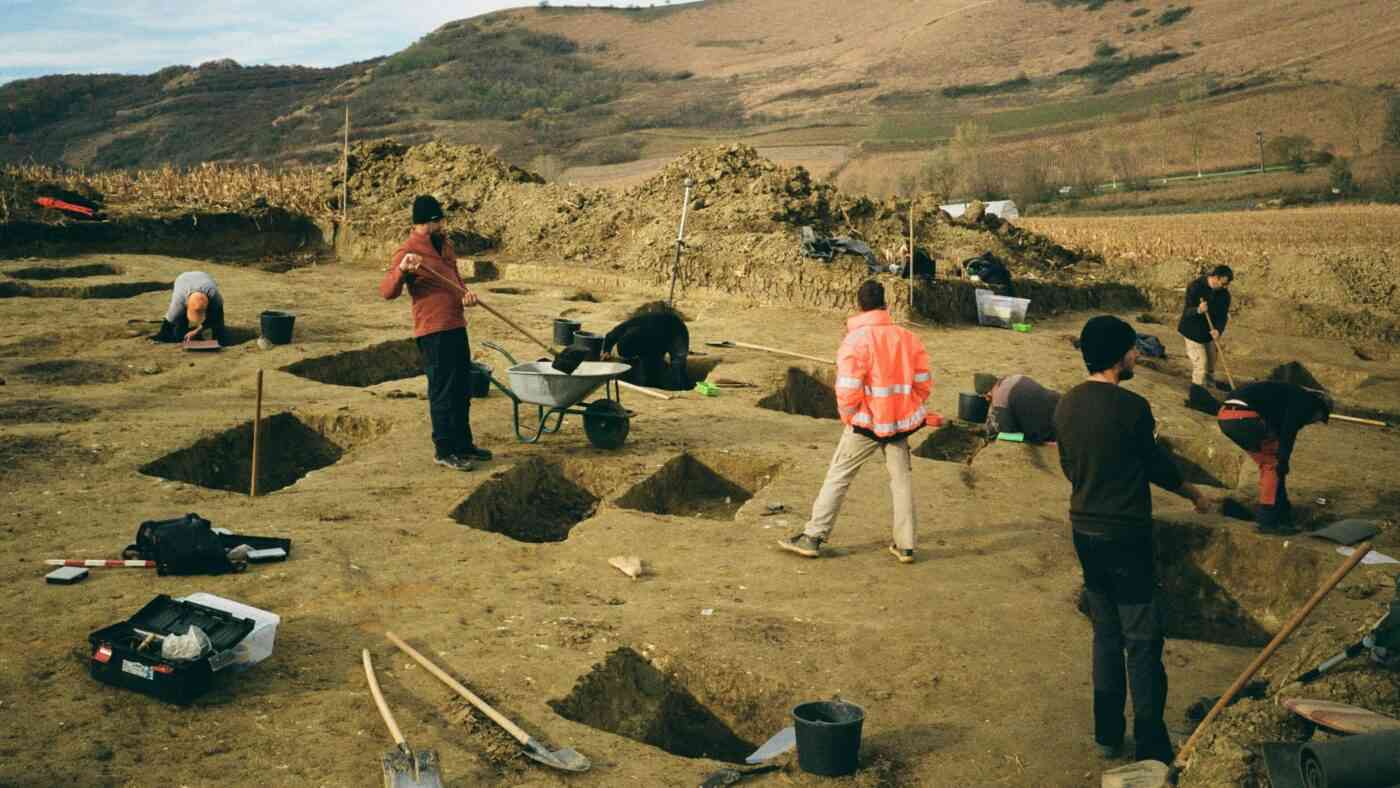
One of the most complete ancestral human skeletons ever found—South Africa’s famous Little Foot fossil—might actually belong to an entirely new species. If researchers confirm these findings, this specimen could add a completely new branch to the human family tree.
Excavators first discovered the skeleton in the 1990s within the Sterkfontein Caves of South Africa. Over several years of meticulous work, teams recovered nearly the entire skeleton, including the skull, limbs, and the tiny foot bones that gave the specimen its nickname. This discovery became a milestone in paleoanthropology, providing us with one of the most complete hominin skeletons in history.
For years, experts classified the find as an australopithecine—an extinct human ancestor that roamed Southern Africa between 3 and 2 million years ago. Paleoanthropologist Ronald Clarke, who led the Sterkfontein excavations, initially identified the specimen as Australopithecus prometheus. However, other researchers argued that the skeleton belonged to Australopithecus africanus.
Recent findings from La Trobe University in Australia and the University of Cambridge are shedding new light on the specimen’s origins. An international research team led by Dr. Jesse Martin analyzed the skeletal features and compared them with other known specimens. Their results, published in the prestigious American Journal of Biological Anthropology, show that the specimen shares a unique set of traits that don’t align perfectly with either A. prometheus or A. africanus. Instead, this mosaic of features suggests the possibility of a previously unknown species.
It is clearly different from the type specimen of Australopithecus prometheus, which was a name defined on the idea these early humans made fire, which we now know they didn’t. Its importance and difference to other contemporary fossils clearly show the need for defining it as its own unique species.
– says Professor Andy Herries of La Trobe University.
Dr. Jesse Martin also emphasizes the gravity of the discovery.
This fossil remains one of the most important discoveries in the hominin record and its true identity is key to understanding our evolutionary past,
– he states.
Dr. Martin plans to continue his work with students from La Trobe University to clarify exactly which species the specimen represents and where it fits into the human lineage.
Our findings challenge the current classification of Little Foot and highlight the need for further careful, evidence-based taxonomy in human evolution,
– Dr. Martin adds.
Read this article in Polish: Zagadka „Małej Stopy”. Czy to nowy gatunek człowieka?


A Journalism and Social Communication graduate with 15 years of experience in the media industry. He has worked for titles such as "Dziennik Łódzki," "Super Express," and "Eska" radio. In parallel, he has collaborated with advertising agencies and worked as a film translator. A passionate fan of good cinema, fantasy literature, and sports. He credits his physical and mental well-being to his Samoyed, Jaskier.


Zmień tryb na ciemny