Truth & Goodness
Circadian Rhythm and the Quiet Order of the Day
04 September 2026





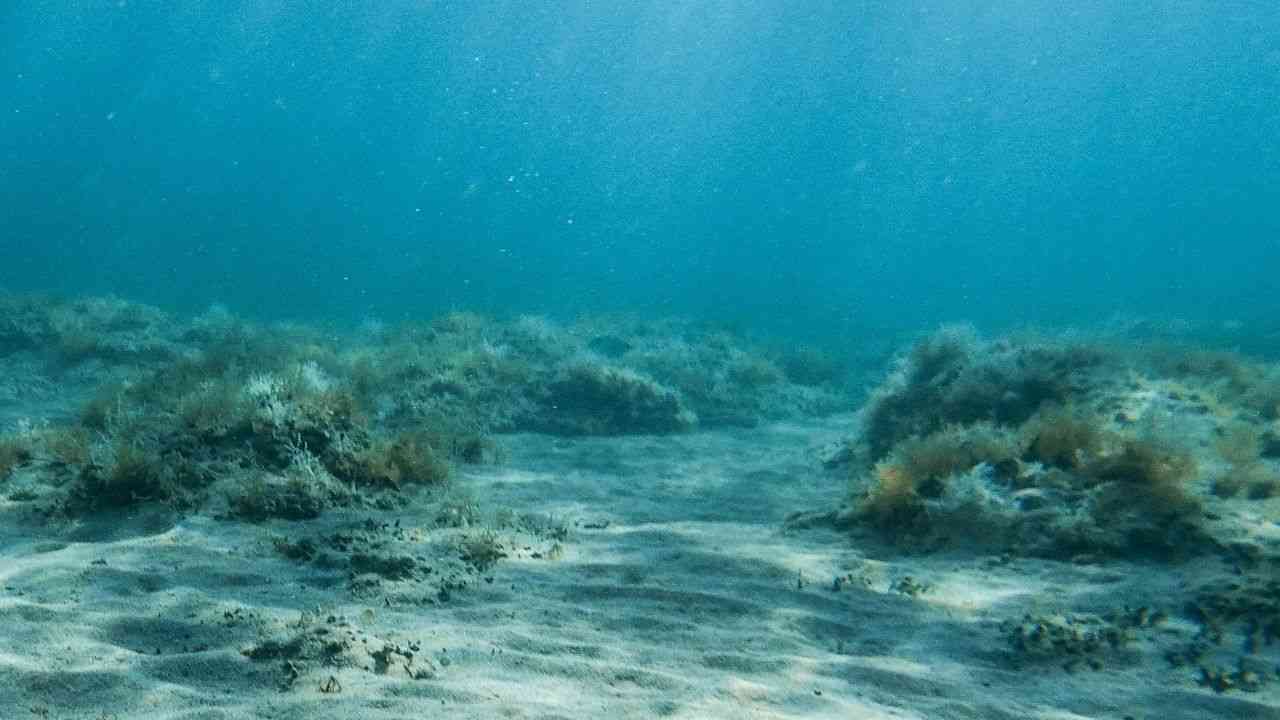
For 10 years, whale bones lay untouched in the Pacific. Scientists warn oxygen minimum zones may be expanding—alarming sign the deep-sea food web is breaking.
Scientists from the University of Victoria and the University of Hawaii at Manoa set out to track how the world’s oceans are shifting. They devised a simple experiment: dropping whale bones into the deep sea. They monitored them for ten years, expecting nature to take its course. Instead, they found nothing. The remains stayed perfectly intact.
This lack of decay is a troubling omen. Usually, deep-sea “zombie worms”—formally known as Osedax—would make quick work of such a feast. These creatures earned their nickname from their bizarre anatomy: they have no mouth, no stomach, and no anus. Instead, they “eat” by using specialized tissues to absorb nutrients from bone marrow via symbiotic bacteria. In a healthy environment, a whale fall marks the beginning of a massive scavenger banquet. This time, the table remained empty, likely due to the suffocating likely due to the suffocating spread of low-oxygen waters in these regions.
The study focused primarily on the Pacific Ocean, specifically off the coast of British Columbia, where researchers placed humpback whale bones on the seabed. After a decade of video surveillance and sampling, there was no evidence of Osedax activity. This absence isn’t just about a single species; it suggests that the “bone-eaters” can no longer survive as low-oxygen conditions push into areas they once dominated.
The disappearance of zombie worms reveals a grim reality: oxygen minimum zones (OMZs) are expanding and disrupting the delicate balance of marine life. As these “dead zones” grow across the Pacific and beyond, they act as an invisible barrier to deep-sea scavengers. Preliminary data indicates this isn’t an isolated incident; it’s a global trend that is fundamentally altering the underwater hierarchy.
Because zombie worms are missing, the entire food chain is at risk. Osedax are considered “ecosystem engineers.” By breaking down dense bones, they recycle nutrients back into the water and create habitats for other species. Furthermore, their larvae typically travel miles to start new colonies. When they die off in one region as oxygen-starved waters move in, the ripple effect can reduce biodiversity in neighboring areas.
According to the study published in Frontiers in Marine Science, zombie worms aren’t the only ones in trouble. Researchers noted a similar fate for Xylophaga—wood-boring mollusks. These creatures thrive on sunken wood in oxygen-rich waters like Barkley Canyon. However, their numbers are dwindling as the canyon becomes increasingly affected by low-oxygen conditions.
The expansion of oxygen minimum zones, a consequence of ocean warming, is bad news for these extraordinary whale-fall and wood-fall ecosystems along the northeast Pacific margin,
– said Professor Craig Smith, one of the study’s authors, in an interview with The Debrief.
The disappearance of zombie worms is a loud, clear signal of the rapid changes occurring in our waters. When microorganisms and scavengers stop functioning, it chokes the nutrient cycle for the entire food chain. This shift reduces biodiversity and hampers the ocean’s natural ability to recycle carbon. For humans, the stakes are high: these shifts can reshape fisheries and ocean stability as oxygen minimum zones continue to spread.
Read this article in Polish: Robaki–zombie zniknęły z dna Pacyfiku. To zły znak dla oceanu


A graduate of journalism and social communication at the University of Rzeszów. She has been working in the media since 2019. She has collaborated with newsrooms and copywriting agencies. She has a strong background in psychology, especially cognitive psychology. She is also interested in social issues. She specializes in scientific discoveries and research that have a direct impact on human life.



Zmień tryb na ciemny