Education
What Does It Take to Keep a Child Curious?
28 September 2026





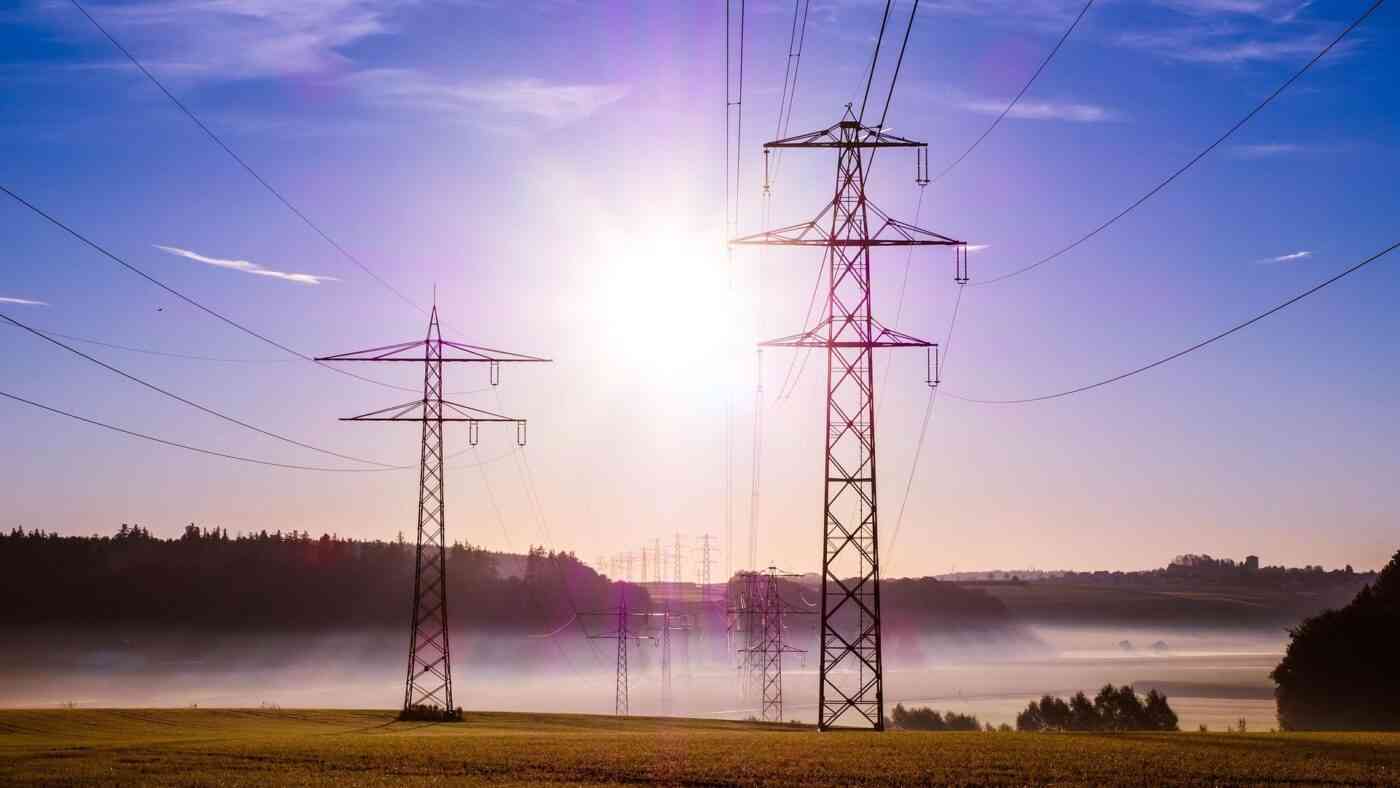
China just upped the ante in the global energy race, describing a goal to “light the first lamp” using Nuclear fusion energy by around 2030. If the milestone is reached, it would be a major step toward demonstrating that fusion can move from experimental physics to practical power.
China’s current push revolves around BEST (Burning Plasma Experimental Superconducting Tokamak), a compact tokamak project that aims to bridge experimental devices and power-plant design. The roadmap points toward net gain and grid-relevant progress by roughly 2030, and program leaders frame that moment as the first fusion-powered lamp.
Behind the slogan, the program now prioritizes systems engineering. Teams focus on magnets, high-power heating, plasma control, materials, and the operating discipline required to run a machine reliably—not just to produce a short burst of impressive plasma performance.
Tokamaks confine superheated plasma inside a doughnut-shaped chamber using powerful magnetic fields. BEST aims to operate with deuterium–tritium fuel, the most energy-rich fusion reaction available today. Researchers want to push toward “burning plasma,” where fusion output helps keep the plasma hot.
Fusion sounds simple in a sentence and brutal in practice. Light nuclei combine into heavier ones and release energy, but the plasma must stay hot and stable long enough for reactions to pile up. That requirement forces engineers to hit temperatures above 100,000,000°C, control violent instabilities in real time, and protect reactor components from extreme heat and neutron bombardment.
Supporters often call fusion “clean” because it does not produce the same kind of long-lived spent fuel that fission plants generate. Still, fusion does not eliminate radioactive waste entirely. Neutrons can activate reactor materials, and facilities must handle and dispose of some components after service. The strongest argument says fusion can keep much of that waste lower-activity and shorter-lived, depending on material choices.
Fusion also offers strong inherent safety advantages. If conditions drift, the plasma cools and the reaction stops. But real facilities still involve serious industrial hazards: cryogenic systems, high voltages, powerful magnets, and tritium handling. Credible fusion advocacy avoids absolute “zero risk” claims and sticks to realistic comparisons.
China’s fusion program stretches beyond BEST. In 2025, EAST—the tokamak many outlets nickname the “Artificial Sun”—reported a headline-grabbing plasma-duration milestone of 1,066 seconds at very high temperatures. China also continues work on larger engineering concepts that aim to move toward power-plant-relevant operation.
Other countries and companies push just as hard. The US, UK, Japan, European programs, and private startups pursue multiple technical paths, and many of them target grid-relevant demonstrations before 2040. No one can guarantee the schedule, but the race has clearly accelerated.
A 2030 “fusion lamp” would still count as a demonstration, not an instant commercial rollout. Even so, demonstrations shape what governments fund, what utilities plan, and what investors treat as plausible. If these roadmaps hold, we may watch nuclear fusion energy shift from a perpetual promise to a serious contender.
Read this article in Polish: Prąd ze „sztucznego słońca”. Globalny wyścig po czystą energię


A Journalism and Social Communication graduate with 15 years of experience in the media industry. He has worked for titles such as "Dziennik Łódzki," "Super Express," and "Eska" radio. In parallel, he has collaborated with advertising agencies and worked as a film translator. A passionate fan of good cinema, fantasy literature, and sports. He credits his physical and mental well-being to his Samoyed, Jaskier.


Zmień tryb na ciemny