Culture
A Life Spent Becoming Someone Else’s Ideal
12 October 2026





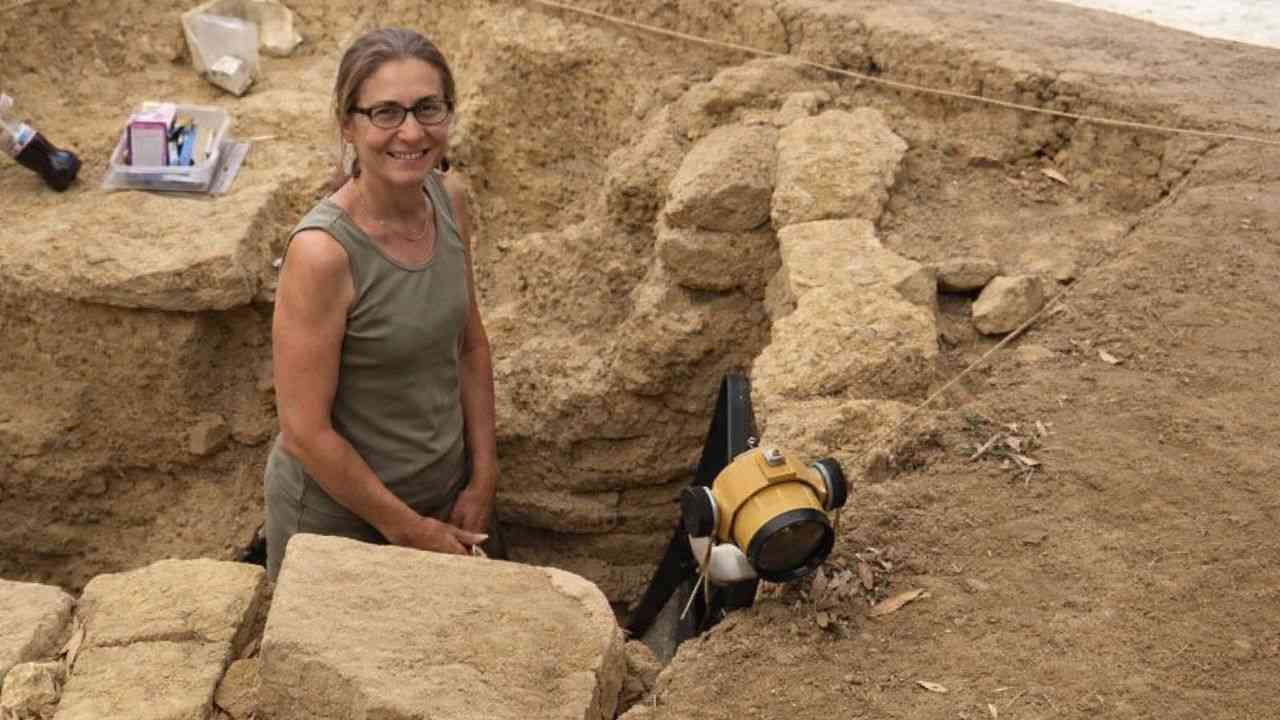
In an olive grove in Pylos, archaeologists expected a routine Bronze Age burial. Instead, they unearthed the untouched, 3,500-year-old Pylos Combat Griffin tomb—a warrior-king’s final resting place filled with jewelry, weapons, and an extraordinary Minoan seal. Now, researchers have finally shared the full, intricate details of their discovery.
In the hills near Pylos—later remembered in Greek tradition as the realm of King Nestor—archaeologists have uncovered a find that reshapes what we know about power at the dawn of Mycenaean Greece. In what looked like an ordinary olive grove, they found a grave belonging to a man who clearly ranked far above a typical Bronze Age resident.
The 2015 discovery of the “Griffin Warrior” drew immediate attention in the archaeological world. Only now, with the publication of The Kingdom of Pylos, have researchers laid out the full story of this elite burial and the decade of work that followed.
Everything started in May 2015. A team from the University of Cincinnati’s College of Arts and Sciences planned routine work near the Palace of Nestor in Pylos. A strike and bureaucratic delays disrupted their schedule, so they shifted the dig to a neighboring olive grove only meters from the palace ruins.
The site looked unremarkable: gnarled olive trees, cracked earth, and ground shaped by centuries of shepherds and farming. Professors Jack Davis and Sharon Stocker expected routine data, not a breakthrough. As rain began to fall and the team prepared to pack up, the excavation suddenly exposed a perfectly preserved burial.
The grave goods and the careful burial arrangement surprised even seasoned researchers. Under layers of soil, the team found a sealed time capsule that had waited 3,500 years to surface. That day in the grove launched a decade of research that has changed how scholars describe the rise of Mycenaean authority.
The Griffin Warrior’s tomb held far more than human remains. The objects placed beside him signaled status, identity, and a clear message meant for the living. Among the finds were:
This is not just loot. Perhaps the treasures came from plunder, but they were carefully chosen and placed in the tomb specifically for their message, which was meaningful to the Mycenaeans,
– noted Professor Jack Davis.
Nearly every object added a piece to the larger puzzle. One artifact, however, drew special attention: a finely carved seal stone showing a struggle between 3 warriors. The scene carries such precision and drama that many researchers call it a masterpiece of Bronze Age art.
Scholars still rank it among the most spectacular examples of Minoan-style craftsmanship ever found on the mainland. Even after a century of Bronze Age research, the carving’s detail continues to stun experts. Yet the biggest surprise remains the person buried with it: the mysterious Griffin Warrior.
He was no ordinary resident. Evidence points to a man who held real authority in the region. Researchers estimate he died between 30 and 35 years old. DNA analysis indicates he was local to the area, and the richness of the grave strongly suggests he lived—and died—as an elite warrior-leader, likely a warrior-king.
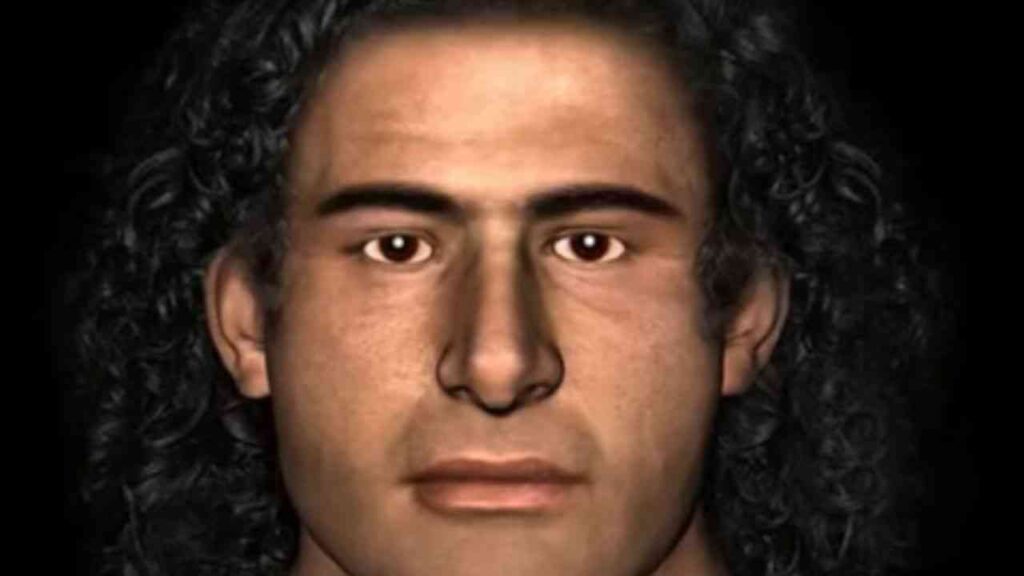
The story did not end in 2015. Three years later, archaeologists located 2 massive tholos (dome-shaped) tombs in the same vicinity. More recent work has added still more discoveries, including ornate gold rings with religious figures, mythological motifs, and scenes from everyday life.
These objects do more than decorate museum cases. They echo a world that vanished millennia ago yet continues to shape how we think about early Greece.
Pylos is mentioned in both the Iliad and the Odyssey as the home of King Nestor, the wise elder leader of the Trojan War era,
– said Claire Lyons, as quoted by the University of Cincinnati.
Several items from the burial point to connections beyond the Mycenaean sphere. Many show the refined style of Minoan Crete, while others carry imagery linked to the Egyptian goddess Hathor. Together, they suggest the Griffin Warrior belonged to a world of long-distance exchange, where symbols, materials, and ideas moved across the Aegean—and beyond.
These discoveries offer more than another archaeological headline. They invite us into a past that still holds surprises. And they hint that the Pylos Combat Griffin tomb may have more to teach us about how power formed in the early Mycenaean world.
Read this article in Polish: Myśleli, że to zwykły grób. Odkryli króla sprzed 3500 lat


A graduate of journalism and social communication at the University of Rzeszów. She has been working in the media since 2019. She has collaborated with newsrooms and copywriting agencies. She has a strong background in psychology, especially cognitive psychology. She is also interested in social issues. She specializes in scientific discoveries and research that have a direct impact on human life.


Zmień tryb na ciemny