Education
What Does It Take to Keep a Child Curious?
28 September 2026





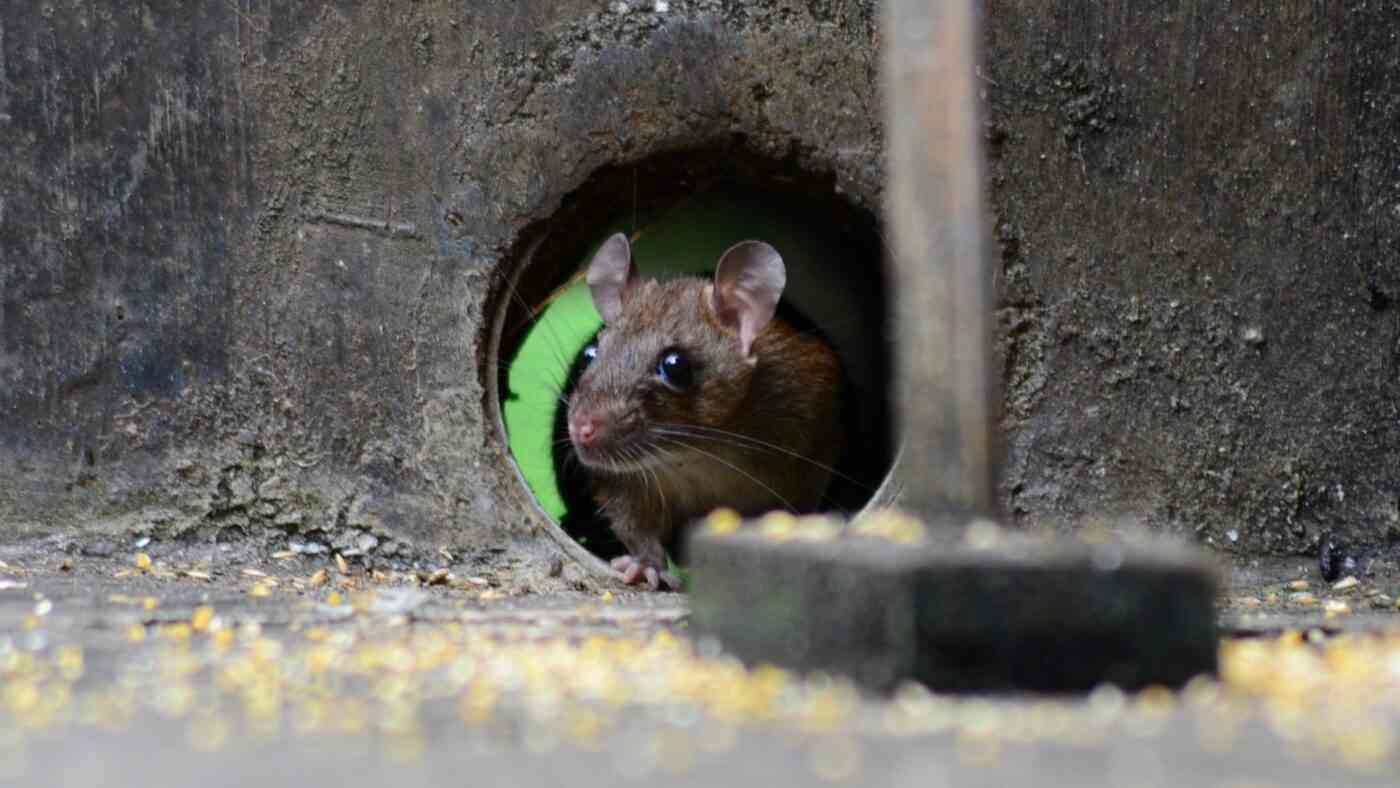
For one London-based telecommunications firm, green aspirations turned into a fatal trap. The company’s downfall stemmed, in part, from biodegradable cable insulation that proved irresistible to the city's rodent population. Today, as rats eating fiber optic cables trigger widespread outages, investors are fleeing a network that has quite literally been tested—and chewed—by the urban ecosystem.
G.Network entered the London market in 2016 with a bold mission: to challenge the dominance of industry giant BT. Positioned as a nimble alternative, the provider secured massive backing from prestigious investors, including the Universities Superannuation Scheme (USS), a major British pension fund.
For years, the company expanded aggressively. It carved pathways beneath London’s most congested streets, weaving a web of fibre meant to service hundreds of thousands of properties across the capital. From the outside, G.Network looked like the future of urban connectivity—fast, local, and built for a city that never stops moving.
Despite the rapid rollout, the company’s model struggled under the weight of high construction costs, rising interest rates, and fierce competition. By early 2026, the cracks became impossible to ignore. With only 25,000 subscribers and roughly £300 million in debt, the maths stopped working.
In January 2026, investment firm FitzWalter Capital stepped in to take control of the struggling entity. Soon after, G.Network filed a notice of intent to appoint an administrator—the UK version of entering formal insolvency proceedings.
FitzWalter then looked for a buyer to consolidate the market, but interest cooled quickly. Potential suitors—Community Fibre included—did what any sensible operator would do: they inspected the network’s real-world condition before putting serious money on the table.
The technical flaw that ultimately buried G.Network’s chances of a clean rescue was an environmental innovation gone wrong. In a bid to reduce plastic waste and burnish its “green” credentials, the company used biodegradable cable jackets reportedly made with soy- or corn-based materials. On paper, it looked like responsible design. Underground, it played more like a dinner bell.
Rodents didn’t just nest near the ducts—they damaged the lines themselves, chewing through sections of the fibre network and turning routine maintenance into a repeating crisis. In other words: what was meant to be eco-friendly hardware became a reliability problem at scale.
The geography made everything worse. Because G.Network laid much of its infrastructure beneath active roadways rather than sidewalks, every fix could mean lane closures, traffic diversions, permits, and expensive engineering work. That cost stack is exactly what spooks acquirers.
The rodents like the ducts and the fibres; they find them very tasty,
– Graeme Oxby, CEO of Community Fibre, told The Telegraph, adding that the remediation would be costly and the design issues hard to ignore.
G.Network’s future remains in limbo. While efforts to find a buyer have continued around the administration process, the prospects for a full rescue have dimmed.
The most likely scenario is a pragmatic one: sell off the best-performing segments, keep service stable where the infrastructure is straightforward, and walk away from the worst-affected stretches where repair costs explode faster than revenue. In a city like London, “simple access” is often the difference between a fix you can schedule and a problem that quietly drains a business.
For the industry, the fall of G.Network is a cautionary tale in applied ecology. Green innovation can’t exist in a vacuum; it has to survive the real environment it’s deployed into—mud, water, traffic, bureaucracy, and hungry animals included. Designing urban infrastructure requires more than meeting technical and regulatory benchmarks. It requires imagining the most unglamorous failure mode possible—and then building for it.
In the battle between high-speed internet and the London rat, nature has taken the lead—and the story of rats eating fiber optic cables is now part of the business case.
Read this article in Polish: Szczury zjadają internet. Firma bankrutuje przez ekologię


A Journalism and Social Communication graduate with 15 years of experience in the media industry. He has worked for titles such as "Dziennik Łódzki," "Super Express," and "Eska" radio. In parallel, he has collaborated with advertising agencies and worked as a film translator. A passionate fan of good cinema, fantasy literature, and sports. He credits his physical and mental well-being to his Samoyed, Jaskier.


Zmień tryb na ciemny