Culture
A Life Spent Becoming Someone Else’s Ideal
12 October 2026





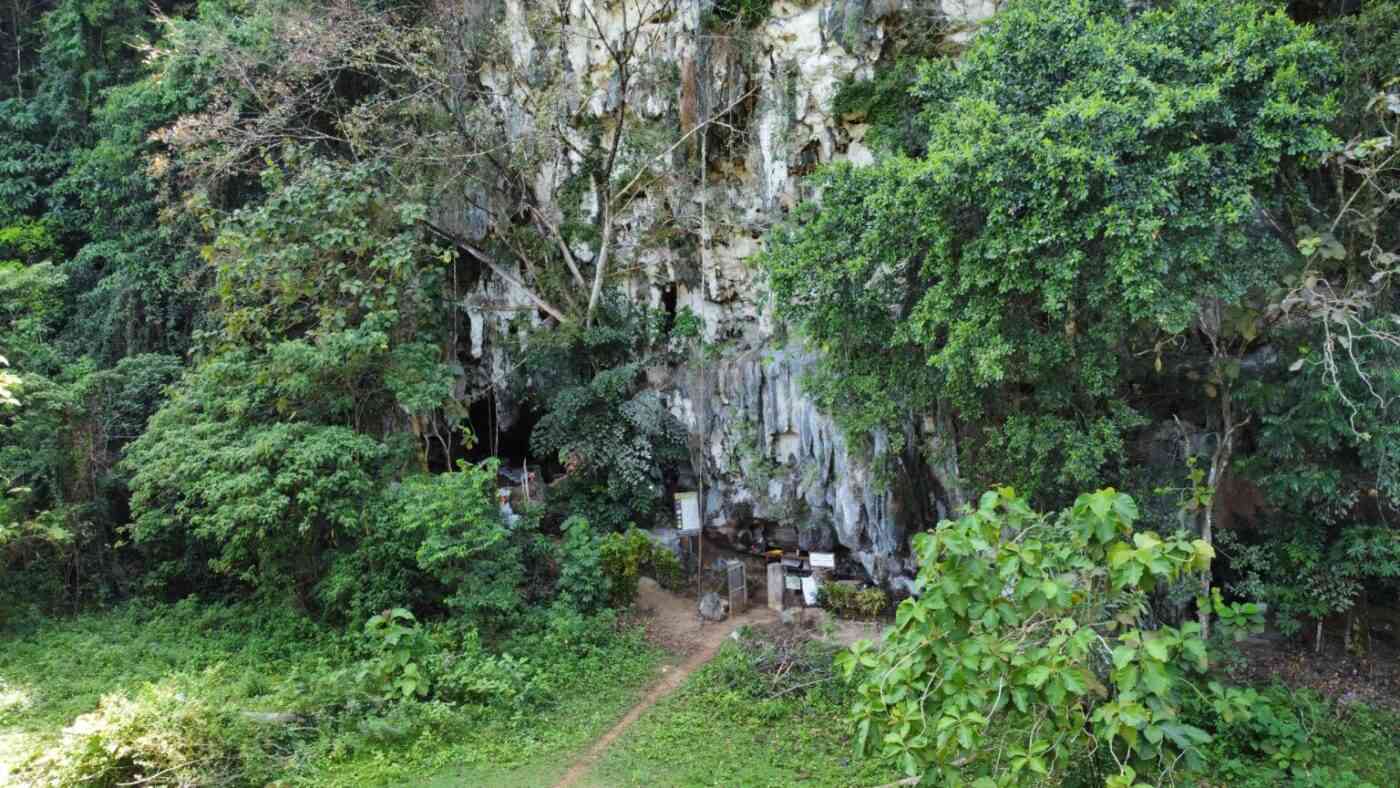
Is it possible that when Homo sapiens first reached the shores of Asia, someone was already waiting for them? A startling discovery on the Indonesian island of Sulawesi suggests that two human species may have occupied the same landscape—separated by millennia, yet perhaps closer than we ever dared to imagine.
The latest archaeological breakthrough in Asia shatters our traditional understanding of the human past. Inside the Leang Bulu Bettue cave, scientists have unearthed evidence that pushes the region’s history back much further than previously thought—reaching as far as 200,000 years into the past. This evidence implies that Homo sapiens arrived in a world already shaped by another, now-extinct lineage of hominins.
Sulawesi stands as one of the world’s largest islands, its story stretching deep into the Pleistocene. Long before it became a legendary hub for the spice trade—connecting India, China, and the Arab world—the island served as a stage for a far more profound encounter.
In the southern reaches of the island, the Leang Bulu Bettue cave is currently rewriting the regional timeline. While researchers recently found 67,800-year-old handprints on the nearby island of Muna, the sediments at Leang Bulu Bettue reveal a hominin presence dating back 200,000 years. This provides compelling proof that long before Homo sapiens arrived, this island was already home to our mysterious, vanished relatives.
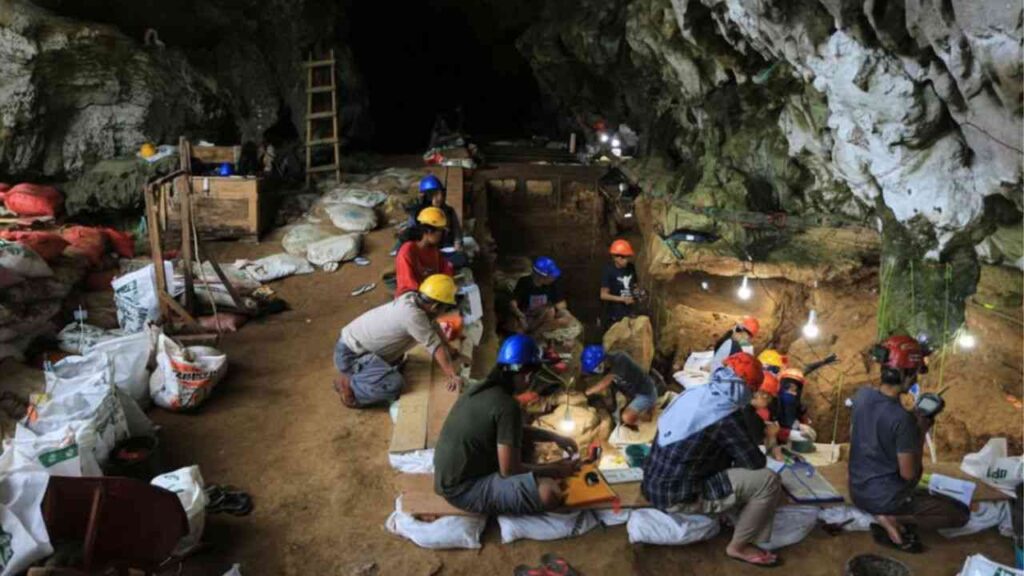
Homo sapiens reached Sulawesi approximately 65,000 years ago during the great migration from Asia to Australia. However, a study published in the journal PLOS ONE demonstrates that the island’s human narrative began much earlier, involving a different branch of the family tree.
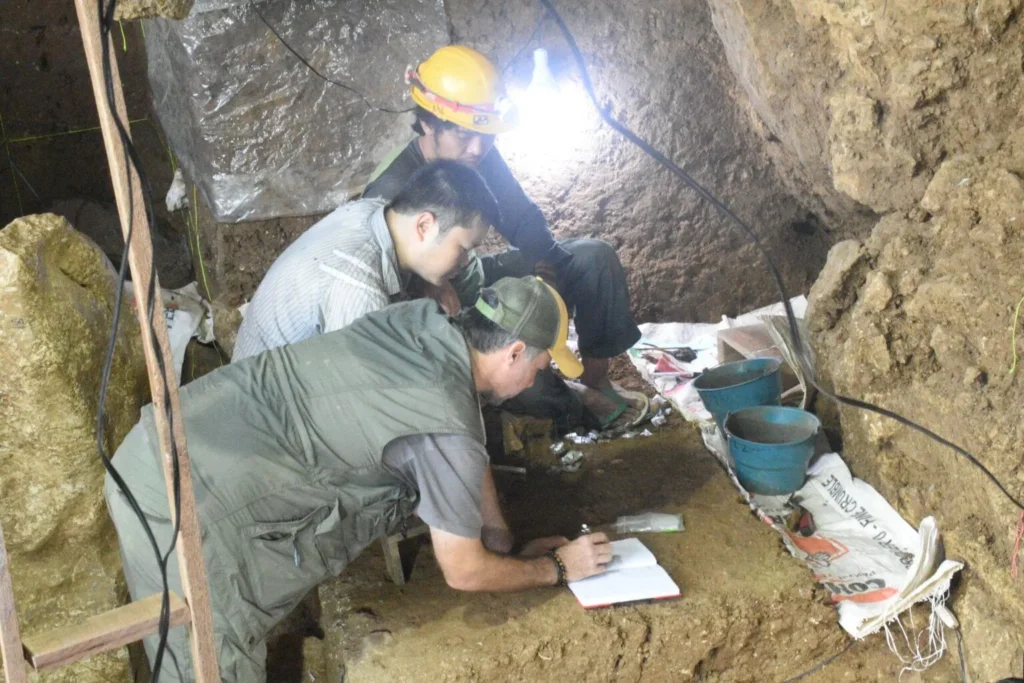
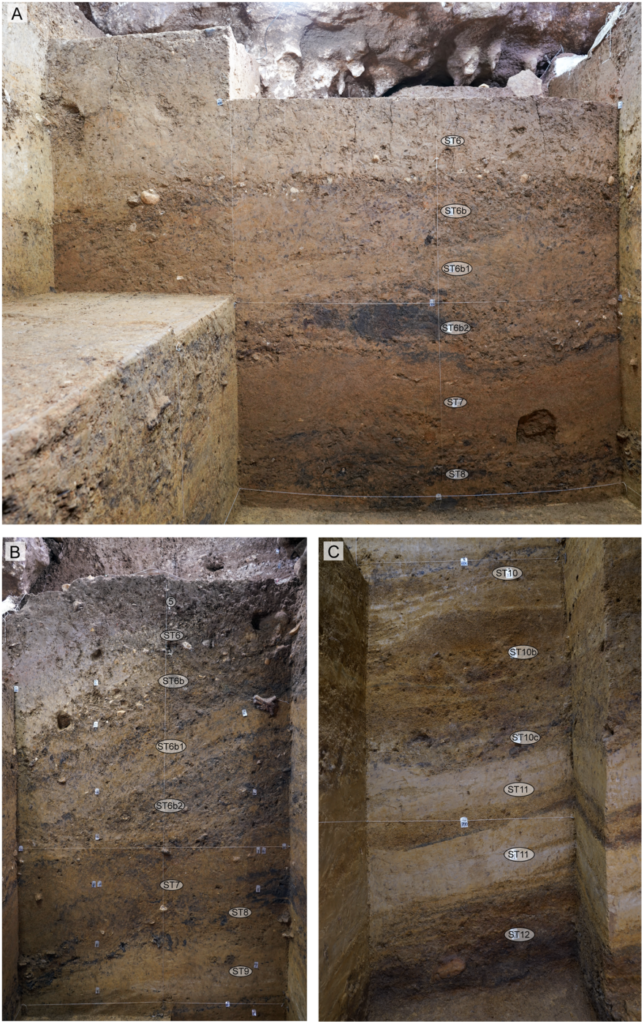
An international team of scientists meticulously examined the very soil where these ancient inhabitants walked. By analyzing sediment layers like chapters in a forgotten chronicle, they uncovered life signs from hundreds of thousands of years ago—secrets of a humanity that vanished without a trace.
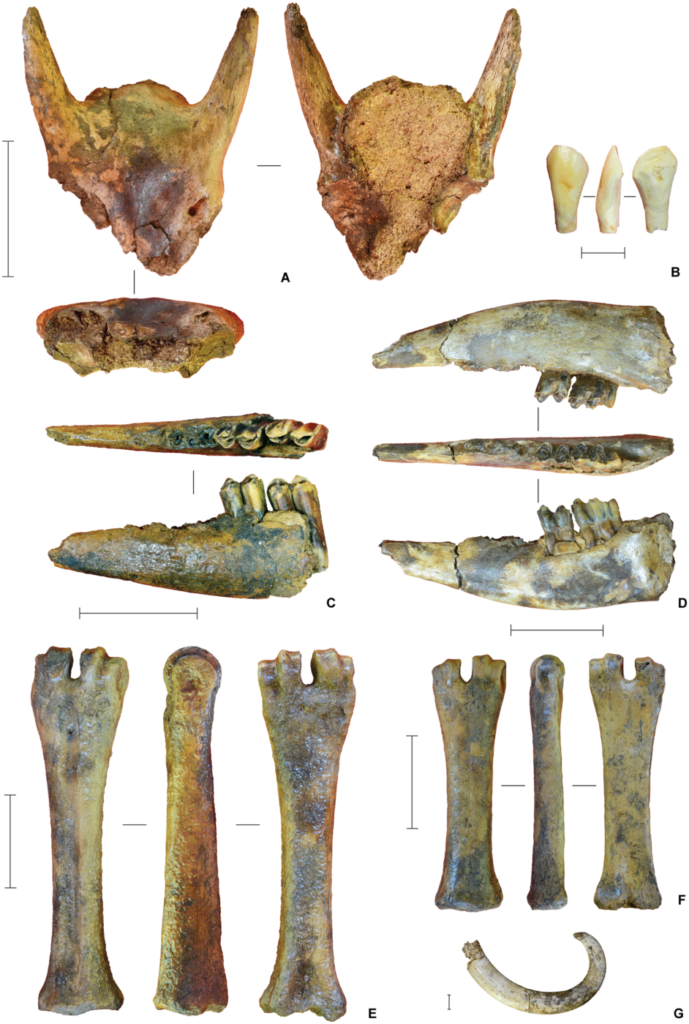
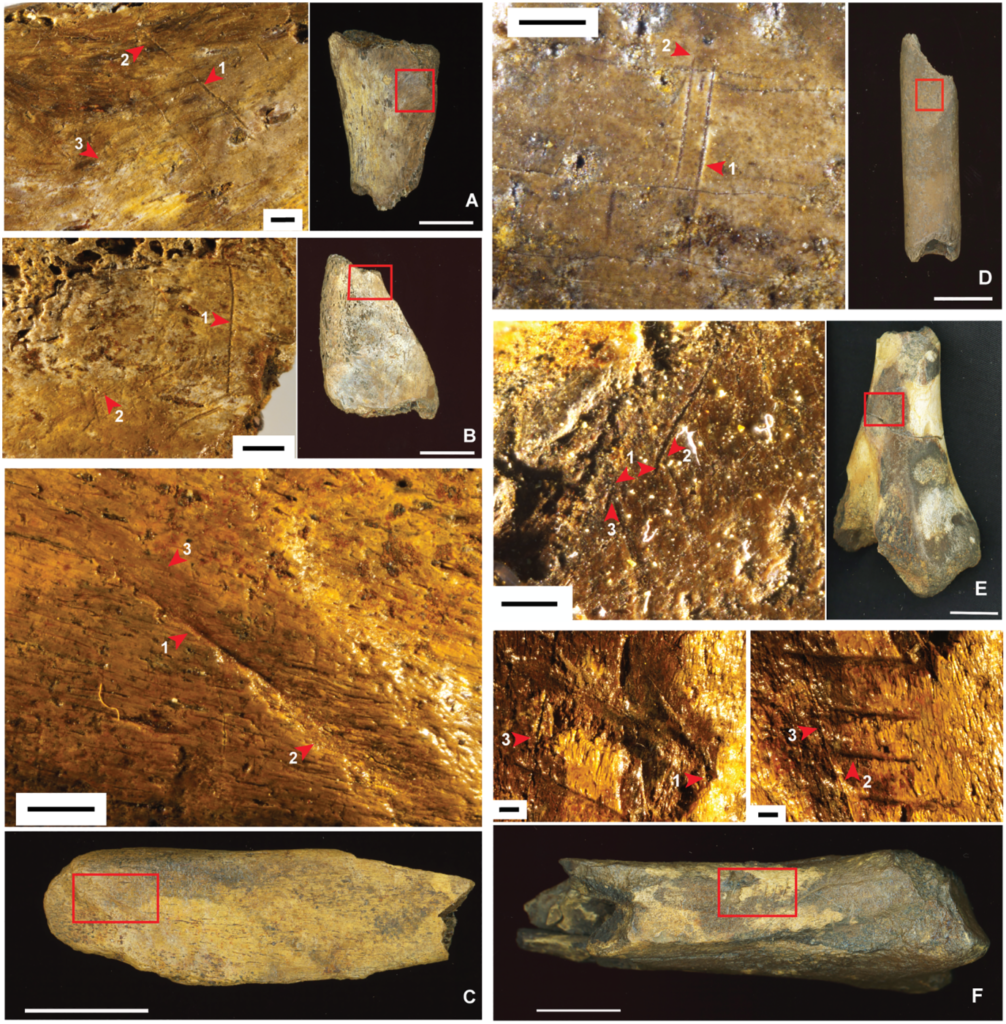
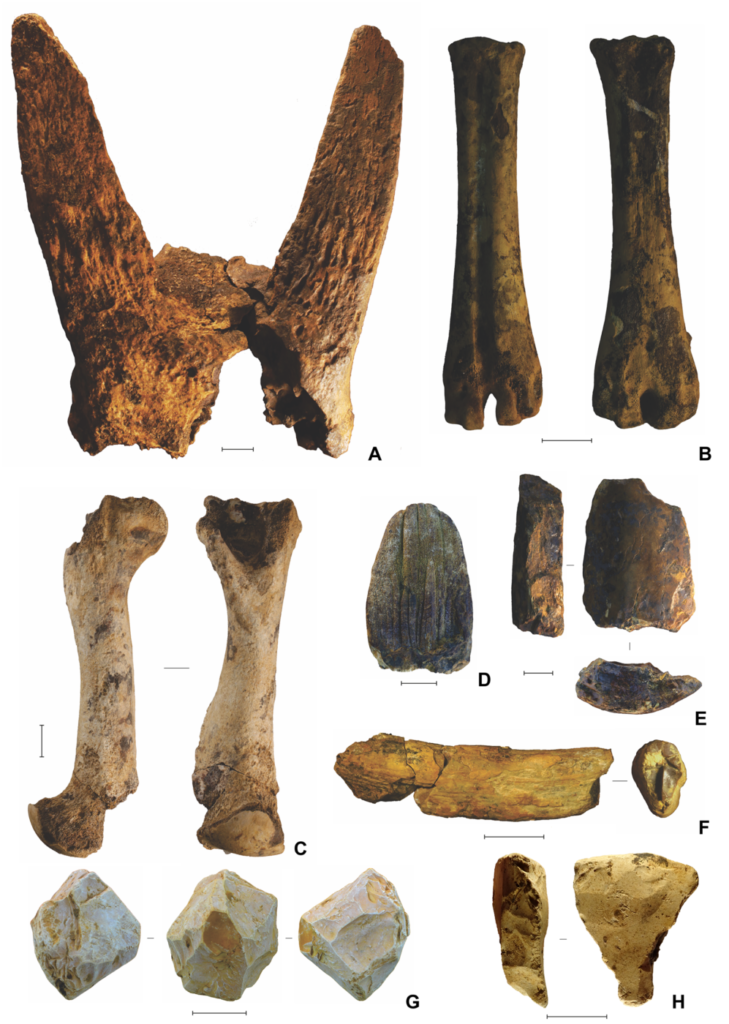
Evidence suggests this limestone shelter acted as a chronological bridge between two human species. Deep within the rock, researchers found signs of hominin activity dating back over 132,000 years—well before our ancestors set foot on the island. The presence of stone tools and clear butchery marks on animal remains points to a long-standing cultural tradition that endured for eons.
Around 50,000 years ago, the archaeological record shows a dramatic shift. In caves like Leang Karampuang, the world’s oldest figurative art and symbolic thinking emerged. Hunting scenes and human figures here predate European cave paintings by thousands of years.
Archaeologists also found ochre—the pigment used for these ancient murals—alongside a shift in diet. The focus moved toward megafauna that has since gone extinct. This suggests that the earlier population, which lived alongside ancient Asian elephants, gradually gave way to a new human culture.
The enigma persists because, despite the tools and activity, scientists have yet to find hominin bones. Without skeletal remains, we cannot confirm if these residents were Homo erectus, Denisovans, or an entirely undiscovered lineage.
Consequently, despite the efforts of teams from Australia, Indonesia, and the UK, more questions remain than answers. What triggered this sudden cultural shift? Did two human species ever lock eyes? Was it a brutal struggle for territory, or a peaceful succession over time?
Leang Bulu Bettue offers no easy answers. It remains an open mystery reaching back through the ages. Excavations continue, with researchers hoping to clarify the true history of this Indonesian outpost.
Hominins lived on Sulawesi for a million years before we arrived. If you dig deep enough, you can travel back to the moment where two human species might have stood face to face.
– says Professor Adam Brumm, one of the study’s authors, in an interview with News.griffith.edu.au.
Sulawesi is rapidly becoming one of the most critical sites for understanding human origins. As we peel back the layers of Leang Bulu Bettue, we may finally understand whether two human species ever shared this landscape—and what happened next.
Read this article in Polish: Nie byliśmy tu pierwsi? Tajemnica sprzed 65 tys. lat


A graduate of journalism and social communication at the University of Rzeszów. She has been working in the media since 2019. She has collaborated with newsrooms and copywriting agencies. She has a strong background in psychology, especially cognitive psychology. She is also interested in social issues. She specializes in scientific discoveries and research that have a direct impact on human life.



Zmień tryb na ciemny