Science
Before There Are Planets, There Is Dust
16 October 2026





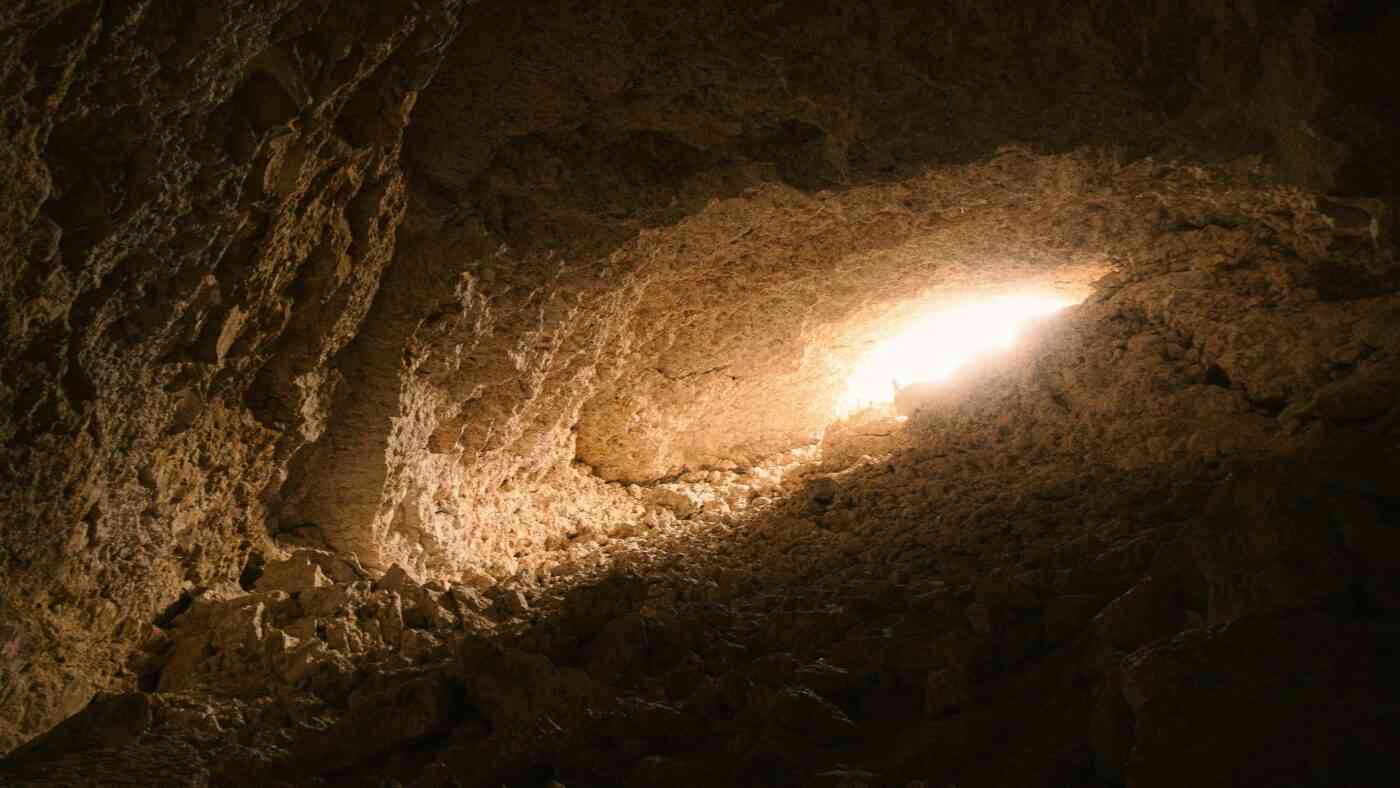
Beneath the desolate surfaces of Mars and the Moon lie gargantuan lava tubes—subterranean corridors that could shield future astronauts from lethal radiation and punishing temperature swings. But before a human ever sets foot in these dark voids, specialized robots must first scout the terrain, testing rock stability, radiation levels, and searching for vital resources like water ice. These tunnels on the Moon and Mars may hold the key to our survival beyond Earth.
Lava tubes form when the surface of a flowing lava stream cools and hardens while the molten magma inside continues to surge. Eventually, the magma drains away to leave behind a hollow, skeletal conduit. Tunnels on the Moon and Mars can stretch for dozens of miles. They can also reach diameters of hundreds of yards. Most importantly, their thick rocky ceilings provide a natural fortress against cosmic radiation, micrometeoroids, and the wild temperature fluctuations that plague the surface.
Consequently, these sites are increasingly topping the list for future “underground” lunar and Martian colonies. For astrobiologists, the lure is even greater. These caves might preserve traces of ancient water activity or even provide niches where microbial life could have once clung to existence.
A European research team, coordinated by the German Research Center for Artificial Intelligence (DFKI), has developed a mission concept utilising three autonomously cooperating robots. Each machine boasts a unique design and a specific tactical role:
Researchers emphasise that the synergy between these diverse machines represents the breakthrough needed to safely breach a lava tube. Furthermore, it helps conduct a detailed reconnaissance of its interior.
The mission concept unfolds in four precise phases, systematically peeling back the layers of the unknown.
Phase 1: The mission begins on the surface as SherpaTT and LUVMI X survey the area surrounding the entrance. Their measurements create a 3D map of the site. This map allows engineers to select a safe spot to anchor the tether and position the equipment.
Phase 2: LUVMI X launches a small sensor module into the opening. This device measures the geometry of the entrance and environmental parameters, providing a detailed 3D model of the upper cavern.
Phase 3: Using this data, SherpaTT manoeuvres into the optimal position and deploys its winching system. Then, it slowly lowers Coyote III through the skylight. Once Coyote III makes a safe landing on the cave floor, it disconnects from both the cable and the docking mechanism.
Phase 4: The final phase is the actual exploration. Coyote III moves autonomously through the alien terrain, navigating obstacles and gradually building a 3D map of the corridor. This data beams back to the surface, where it helps planners decide everything from where to place scientific instruments to the layout of a future habitat.
To prove the concept works in the real world, the team conducted a multi-week trial in the volcanic caves of Lanzarote in the Canary Islands. The geology and structure of the tunnels on the Moon find an excellent terrestrial analogue here. Therefore, the island is a long-standing proving ground for ESA missions.
The tests lasted three weeks and featured full mission simulations. The robots operated autonomously: SherpaTT and LUVMI X mapped the entrance, while Coyote III descended 770 feet (235 metres) into the darkness to gather data. The team overcame real-world hurdles, including volatile weather, razor-sharp volcanic rocks, and restricted radio connectivity. Ultimately, the trials confirmed that the system performs exactly as designed. The robots successfully completed every mission stage.
The successful field tests pave the way for adapting this system for upcoming lunar and Martian missions. Autonomous, cooperating robots will be the “pathfinders.” They will identify the most promising tubes, assess the stability of the ceilings, measure radiation and temperature, and hunt for potential resources like water ice.
For a long-term human presence on the Moon or Mars, this strategy drastically lowers the risk for crews. Astronauts will only descend into these subterranean worlds after robots confirm the environment is structurally sound and habitable. Furthermore, the detailed geological data will allow mission architects to pick the absolute best location for a permanent base.
Beyond the logistical benefits, the data these robots harvest will deepening our understanding of other worlds, and what tunnels on the Moon may make possible.
Read this article in Polish: Ukryte tunele na Marsie i Księżycu. Czy powstaną tam bazy?


A Journalism and Social Communication graduate with 15 years of experience in the media industry. He has worked for titles such as "Dziennik Łódzki," "Super Express," and "Eska" radio. In parallel, he has collaborated with advertising agencies and worked as a film translator. A passionate fan of good cinema, fantasy literature, and sports. He credits his physical and mental well-being to his Samoyed, Jaskier.



Zmień tryb na ciemny