Science
Before There Are Planets, There Is Dust
16 October 2026





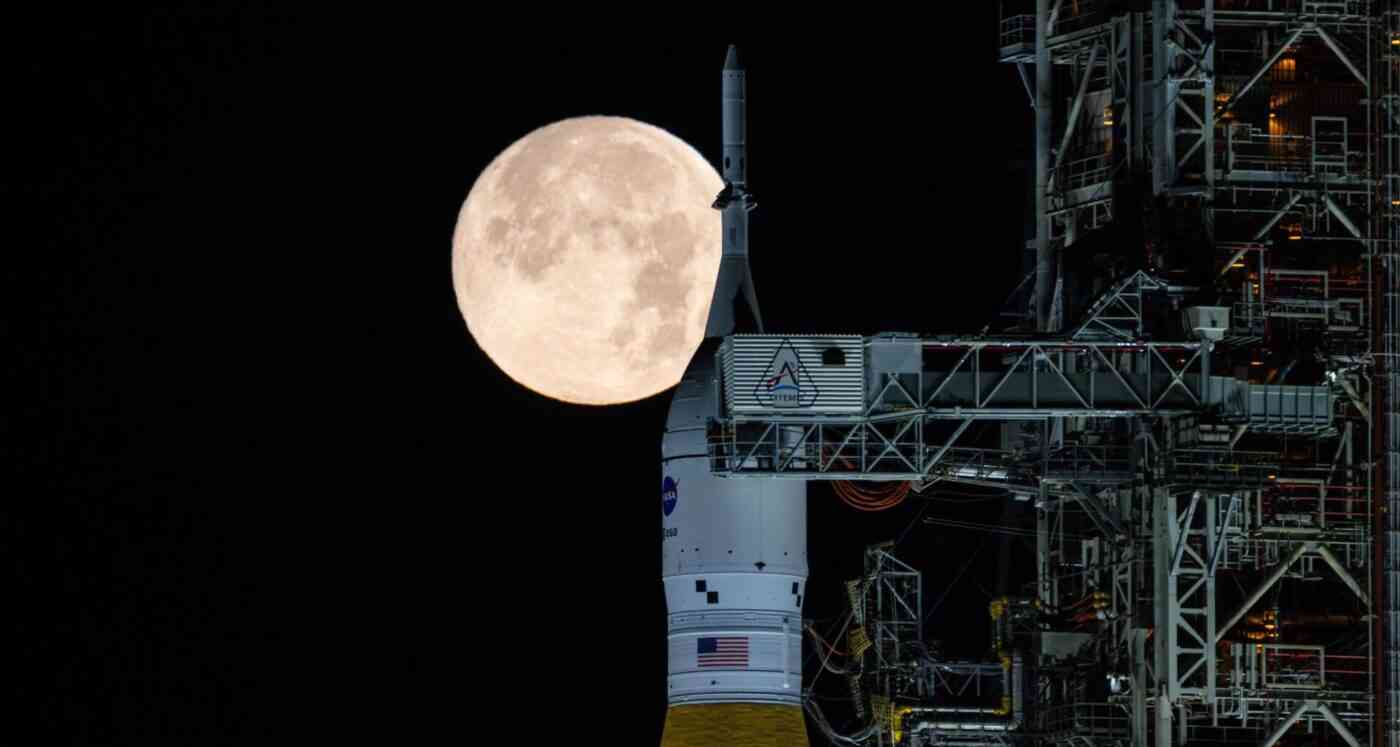
The troubles plaguing Artemis II show no sign of ending. The much-anticipated departure of the first manned flight to the Moon since the Apollo era is slipping further away with each passing month. First, it was hydrogen leaks; now, a helium glitch has stalled the countdown. As the world watches, the big question remains: can NASA meet a new April deadline for the Artemis II mission launch?
Artemis II represents the first crewed mission under the Artemis program and the first time humans will venture into deep space toward the Moon since Apollo 17 in 1972. A four-person crew will board the Orion spacecraft, propelled by the massive Space Launch System (SLS) rocket. After lifting off from Florida, the ship will orbit the Earth before entering a lunar flyby trajectory to circle our celestial neighbor and return home—all without touching down on the lunar surface. The entire odyssey will span ten days.
The success of this mission is the linchpin for Artemis III, which aims to land astronauts back on the Moon. NASA needs to verify Orion’s critical systems—life support, communication, navigation, and the harrowing atmospheric re-entry—under the unforgiving conditions of real-world spaceflight.
Originally, NASA scheduled the Artemis II mission launch for February 6, 2026. In January, engineers conducted a full Wet Dress Rehearsal—a complete simulation of the fueling process and countdown right up to the moment before engine ignition. Unfortunately, during these tests, teams detected a liquid hydrogen leak in the fueling system. These woes were compounded by freezing cameras and communication interference.
NASA leadership decided against forcing a February window, opting instead for deep data analysis, repairs, and a second round of testing. This move pushed the earliest possible launch date into early March.
The second fueling attempt went much smoother. The rocket successfully accepted its propellant, and NASA circled March 6 on the calendar. It appeared the mission was back on track. However, just hours later, a new gremlin appeared: a disruption in the helium flow within the SLS rocket.
NASA determined that this glitch required a level of diagnostics impossible to perform on the launchpad. Consequently, they ordered the rocket to be rolled back into the Vehicle Assembly Building (VAB). With that move, the March launch window evaporated.
Pinpointing a new date for the Artemis II mission launch remains difficult. Analysts are eyeing the April window, mentioning dates like April 1, April 3–6, or even April 30. However, until engineers disassemble the faulty components, find the root cause, and implement a fix, NASA will refrain from announcing a binding launch date.
The actual launch date now hinges on three critical factors:
Given the history of Artemis II preparations, any further malfunction in critical systems will likely result in weeks, not days, of additional delays. NASA consistently maintains that they will only greenlight the flight when they are absolutely convinced of the system’s readiness.
Safety remains our highest priority (…). We will launch only when we believe we are ready to undertake this historic mission,
– emphasizes NASA Administrator Jared Isaacman.
The mission will launch from Pad LC 39B at the Kennedy Space Center in Florida—the very same hallowed ground that saw the departure of the historic Apollo missions.
The prolonged wait is taking a toll on the crew’s schedule. Reid Wiseman, Victor Glover, Christina Koch, and Jeremy Hansen had prepared for a February liftoff. They completed an intensive cycle of simulations and entered quarantine in Houston in late January, ready to move to Florida for the final countdown. Once the February window closed, the crew broke quarantine and returned to a “standard” training rhythm.
NASA has announced that the astronauts will re-enter quarantine approximately two weeks before the new, officially confirmed launch date. Until then, the crew continues to run simulations for both nominal and emergency procedures. Their regimen includes spacecraft evacuation drills, emergency landing practices, and rescue operations, alongside rigorous physical conditioning.
The road to the Moon is proving to be as difficult as it is historic, but for the crew and the world, the Artemis II mission launch remains the most anticipated event of 2026.
Read this article in Polish: Historyczna misja uziemiona. Co blokuje lot wokół Księżyca?


A Journalism and Social Communication graduate with 15 years of experience in the media industry. He has worked for titles such as "Dziennik Łódzki," "Super Express," and "Eska" radio. In parallel, he has collaborated with advertising agencies and worked as a film translator. A passionate fan of good cinema, fantasy literature, and sports. He credits his physical and mental well-being to his Samoyed, Jaskier.



Zmień tryb na ciemny