Education
What Children Learn When They Count on an Abacus
25 September 2026





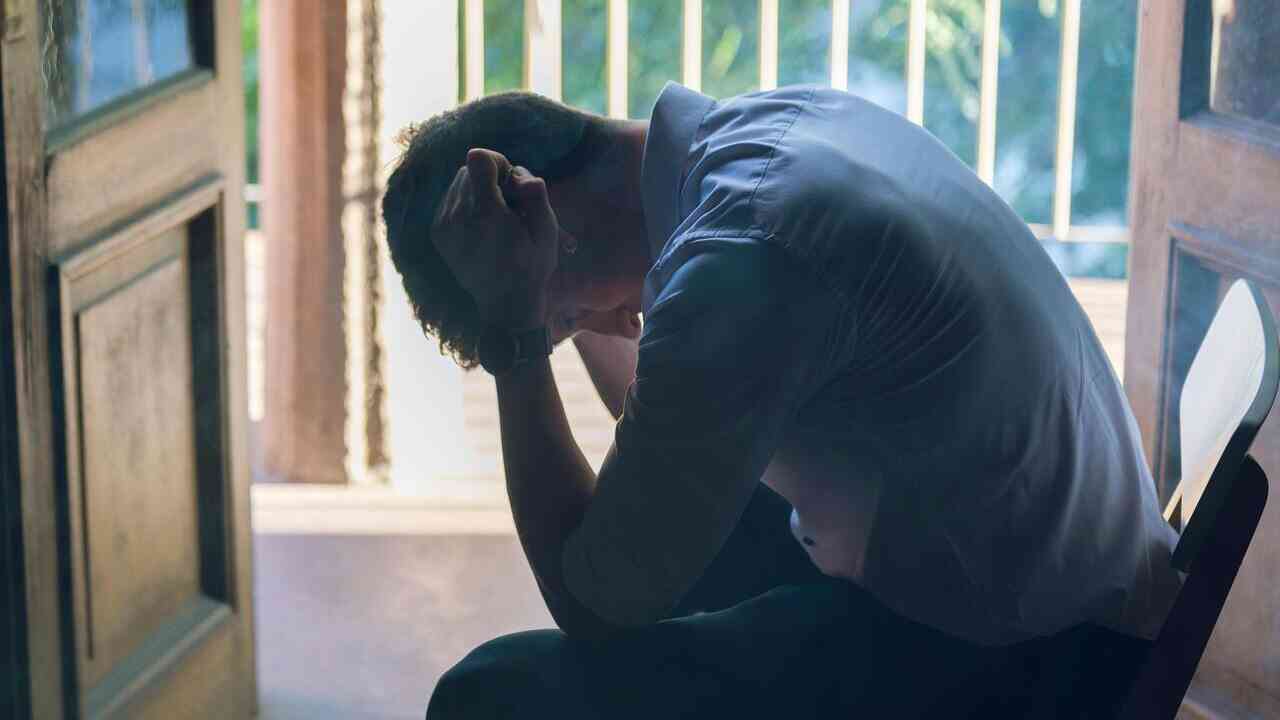
Pain accompanies us not only as individuals, from birth to death, but also as a permanent feature of civilisation itself. We fear it, flee from it, and often feel crushed by it—yet pain is also what allows us to function, survive, and recognise danger at all.
I will greatly multiply your pain in childbearing; in pain you shall bring forth children.
That is the curse Yahweh of the Old Testament lays upon women. Was the philosopher Adam Sandauer not right to call him “a malicious kobold”? One might say, then, that without the pain of pregnancy and childbirth, the human species would not exist.
We emerge from suffering, and without the suffering and sacrifice of women none of us would be here. The first sensation of a child entering the world is pain as well. After all, the child is torn from the warm, hospitable body of the mother. It must learn to breathe on its own and feed on its own. That is why we greet our own arrival in the world as we do: with screaming and tears. Out of fear, and out of pain.
For a very long time, over many centuries, medicine all but ignored pain, treating it as an indispensable part of healing. Truth be told, physicians had very few means of preventing pain or eliminating it. Certainly, special herbs, infusions such as opium, or even drunkenness could help in some situations, but none of them could do much against extreme pain of the kind caused by surgery or amputation, nor were they widely available in every circumstance.
I remember how deeply shaken I was by descriptions of medical tents during the Napoleonic wars, where blood-soaked doctors operated on soldiers for hours on end, of course without anaesthesia, while amputated limbs piled up in heaps. Can you imagine that pain, that torment, those screams of hundreds of men subjected to such brutal procedures without any form of relief? French army surgeons, incidentally, are said to have reached near perfection precisely through that mass practice.
As an aside, the sheer scale of amputations resulted from the rise of artillery as a battlefield weapon during the Napoleonic wars. Cannon fire caused horrific injuries, and those wounds often made amputation unavoidable.
And if we imagine amputation as a relatively simple operation, or at least one that became so in the hands of experienced military surgeons, what about the more complicated procedures of internal surgery? There the first necessity was total immobilisation of the patient, followed by extreme speed. It is no surprise that such haste often ended in complications and death.
Attempts to fight pain already appeared in the Middle Ages. One popular method was described by the Polish history portal historia.org.pl:
To ensure the surgeon’s comfort and spare the patient the sensation of pain, physicians began using a sleeping sponge during procedures. Preparing it required a narcotic mixture of several plants. The ingredients included opium, mandrake, hemlock, and henbane, which were macerated in a measured quantity of water. A sponge was then soaked in the solution and dried in the sun until the water evaporated.
The final stage involved pouring warm water over the sponge and placing it in the patient’s nostrils. As a rule, that was enough to knock anyone out. To wake the sleeper, another sponge was used, this time soaked in warm vinegar. Unfortunately, not everyone could be awakened. Even so, the method proved highly effective.
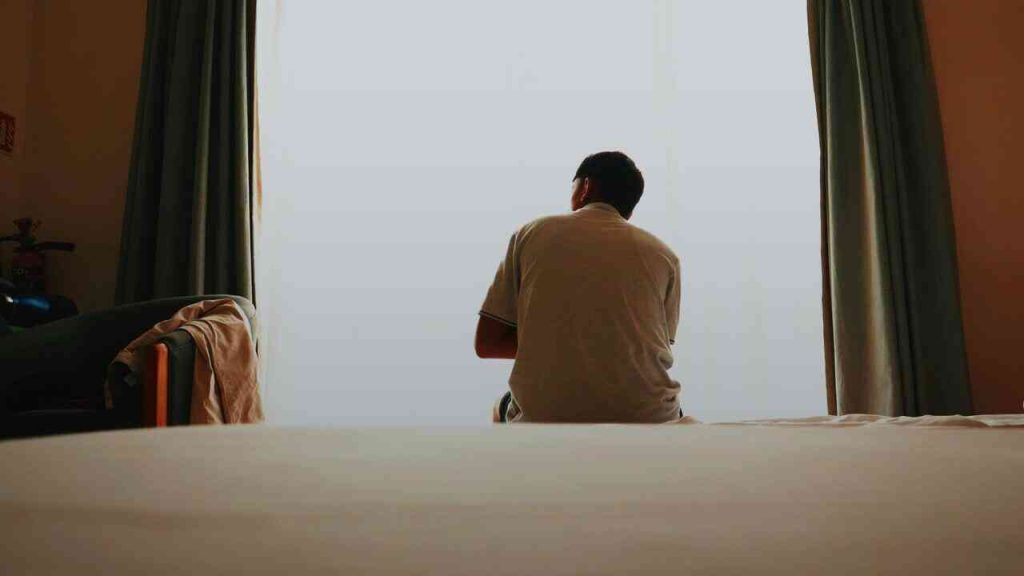
A great breakthrough came in the mid-19th century. Physicians discovered how to put substances such as nitrous oxide, ether, and chloroform to practical use. Interestingly, a large part of the medical establishment was not merely sceptical of anaesthetics, but openly hostile to them. A major role in popularising the benefits of anaesthesia was played by Queen Victoria of Great Britain, who chose to give birth under chloroform.
From that moment on, life became far easier for doctors who had made the struggle against pain their mission, and who grew increasingly bold in using different chemical substances during surgery. Curiously enough, the use of anaesthesia in childbirth was condemned for a long time by Christian churches. The Archbishop of Canterbury, for example, declared that “childbirth must be painful, because otherwise it is sinful and linked to the workings of dark forces.”
I remember childhood and adolescence as a period marked by fear of pain, but also by a kind of resignation to it. Pain simply had to be there. That was how things were, and how they would remain. Like almost every child of that era, I was terrified of the dentist. In communist Poland, however, that fear was not irrational. It was entirely real. No one troubled themselves with anaesthesia during treatment, and drilling was done with no pain relief at all.
If we add to this the fact that the equipment of 40 or 50 years ago was incredibly primitive, and that dental drills resembled slow-moving power tools, then the tortures of the dentist’s chair could seem endless. My mother once told me that as a newly graduated secondary-school student she had a tooth extracted without anaesthesia. The procedure lasted so long and hurt so much that she later said childbirth, also of course without anaesthesia, had been easier to bear.
Why do we feel pain? Many people sometimes sigh and say, “Ah, to live without pain. How wonderful that would be.” It is the kind of wish that invites the answer: be careful what you wish for, because it may come true. The inability to feel pain is a dramatically dangerous and psychologically exhausting disorder, one that can lead to death quickly and violently.
It is called analgesia, or more broadly congenital insensitivity to pain in certain inherited forms. MedlinePlus describes congenital insensitivity to pain as a condition in which a person cannot perceive physical pain from birth, while stressing that pain serves as a vital signal that helps people avoid danger and injury.
Pain is an alarm signal, a warning sign. Be careful, something is wrong in your stomach; be careful, your heart is stabbing; be careful, perhaps you have sprained your leg. Pain tells us all this, forcing us to take corrective action. A human being who feels no pain receives none of these signals, and so remains defenceless.
Such a person may still be able to look at the body and see whether they are bleeding, whether they have burned themselves, or whether a bone is visibly broken. But they cannot examine their appendix at home on the spot, or their gallbladder, diagnose inflammation, or take X-rays to check for fractures and cracks. No method exists for curing or even truly managing analgesia. The patient’s only real chance of survival lies in remaining under constant medical supervision. Medical sources likewise describe congenital insensitivity to pain as rare and dangerous because the person may not realise when injury or disease is occurring.
Even now, in modern times, we have not managed to eliminate pain completely, not even for patients living in advanced countries and surrounded by good medical care. In the case of some rare illnesses, even the strongest painkillers either fail or work only imperfectly.
I have also come across accounts of doctors refusing to administer powerful analgesics on the grounds that “the patient may become addicted.” The trouble was that the patient in question was dying, so it made no difference what might happen to them in a few months or in a year. The only thing that mattered was that they should be able to die without pain.
Sadly, some doctors, rigid formalists, proved unwilling to grasp something so simple. Equally inhuman behaviour characterised religious fanatics such as Mother Teresa of Calcutta, who, while running a hospital for the poor and homeless, deliberately forbade the use of painkillers because she believed pain was a tribute to Jesus. How curious, though, that when she herself received treatment in the most expensive clinics of the West, she was quite willing to accept pain relief.
Speaking of pain, one could of course widen the subject and tell stories of religious cults and practices founded on the experience of pain as a path to holiness or salvation. One could speak of the invention of ever new methods of inflicting pain, methods perfected by specialists in torture and forced confession.
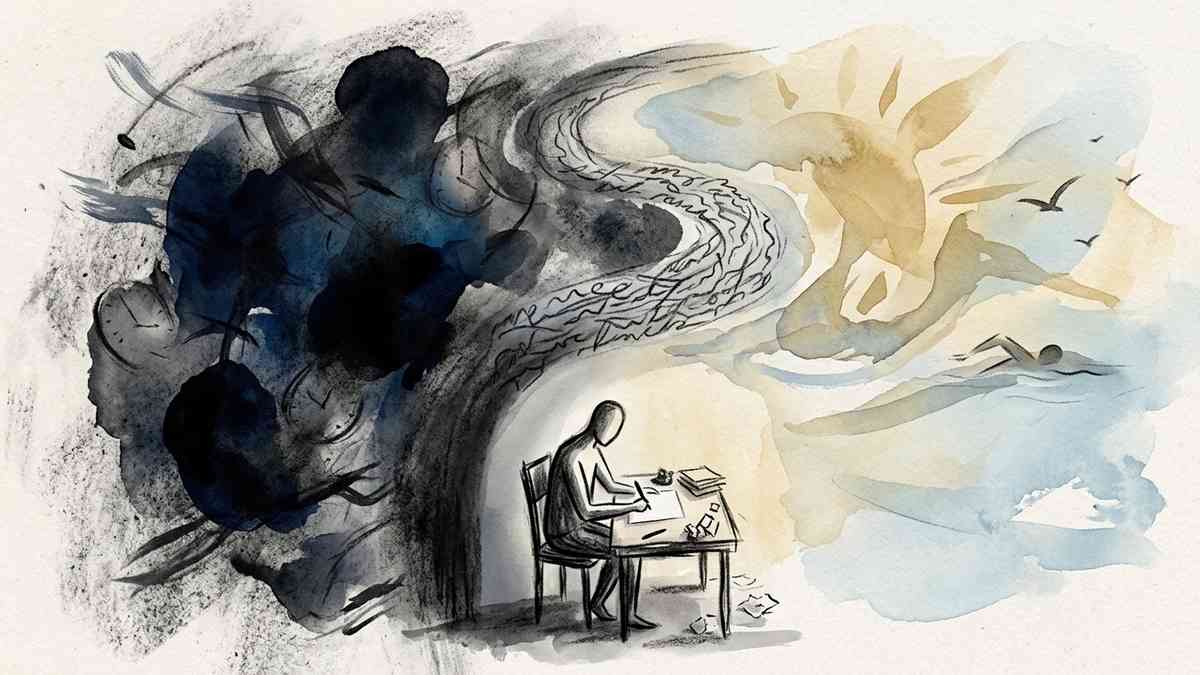
One could also reflect on the pleasure some people take in giving pain and feeling it, and on the literature and films devoted to those questions. And even then there would still remain the vast domain of mental suffering, which, as the ill themselves often say, can drain the will to live no less than physical pain. All these questions could fill a large book about our Companion Pain, the curse without which we could not live.
Read this article in Polish: Jacek Piekara o klątwie, bez której nie moglibyśmy żyć

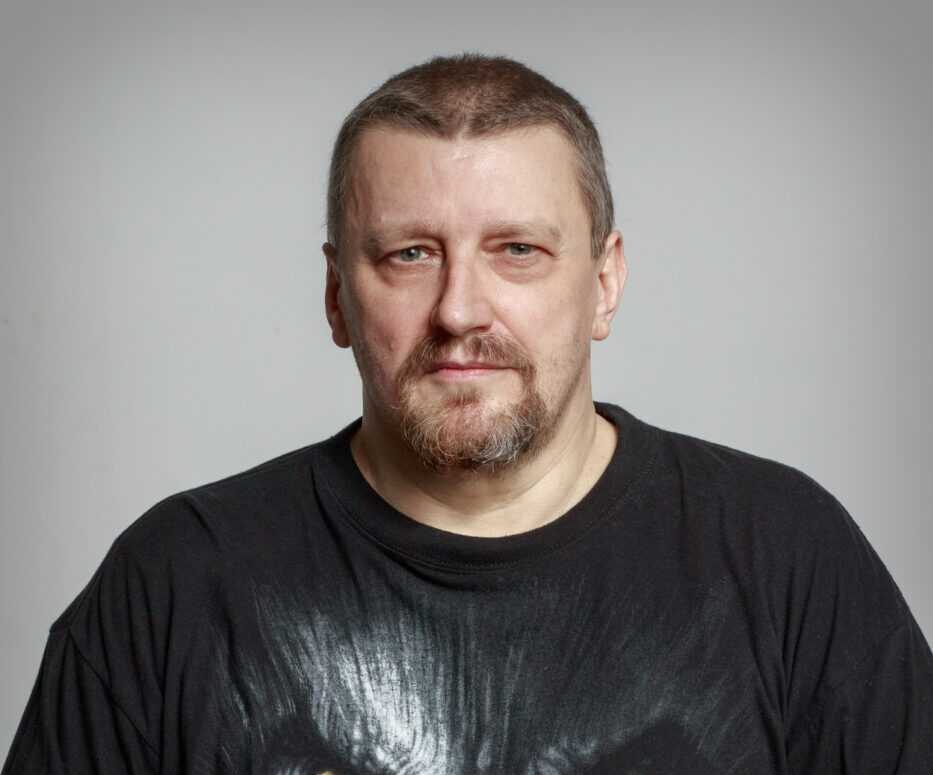
Jacek Piekara: One of Poland's most popular fantasy writers, a journalist, and a columnist. He is the author of the widely acclaimed "Inquisitor Series" (Cykl Inkwizytorski), dozens of books, and numerous short stories. Piekara has also contributed to specialized and popular press, including the magazines Click! and Gambler. In addition to literature, he writes scenarios for computer games and works as a publicist.


Zmień tryb na ciemny