Humanism
When Goodness Becomes Procedure. How Generosity and Solidarity Fade
07 April 2026





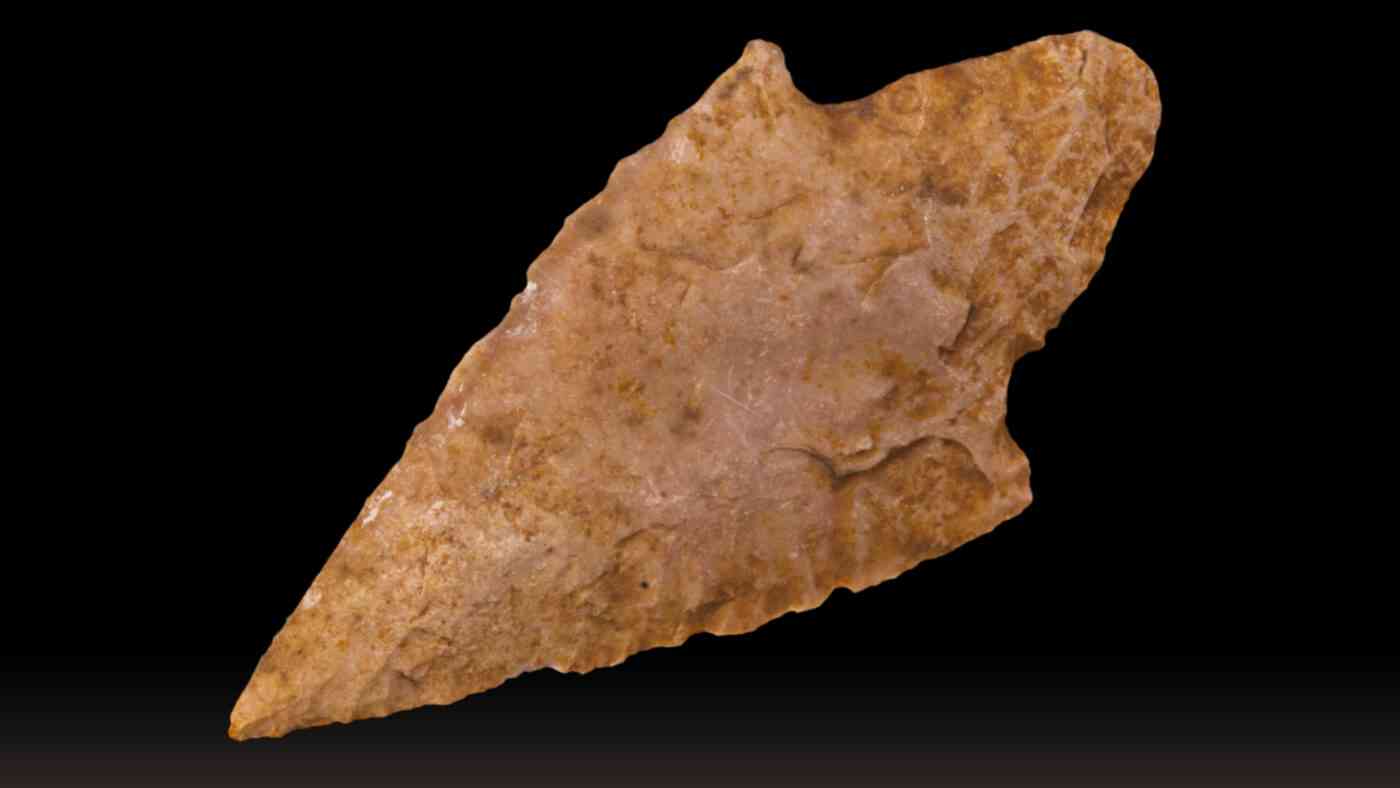
Archaeologists in South Africa recently discovered the oldest ancient poisoned arrows, dating back 60,000 years. This find has shaken the field of archaeology, as it fundamentally changes our understanding of how technologically advanced our ancestors were during the Stone Age.
In early January 2026, Science Advances published a study that quietly reshaped our understanding of early human technology. Archaeologists presented direct molecular evidence showing that hunting weapons were coated with poison as far back as 60,000 years ago. These artifacts are now the oldest confirmed examples of poisoned weapons ever identified.
The finding places complex chemical knowledge much earlier in human history than previously assumed.
The ancient poisoned arrows were discovered at the Umhlatuzana rock shelter in South Africa’s KwaZulu-Natal province. Researchers analyzed quartz microliths—small stone tools likely used as arrowheads—recovered from the site.
Out of more than 200 microliths, 10 were selected for detailed microscopic examination because they showed traces of a hardened adhesive. In five cases, chemical analysis revealed preserved toxic compounds, offering rare direct evidence of poison use rather than indirect speculation.
The chemical residues identified on the arrowheads include two plant alkaloids associated with toxic compounds found in certain amaryllis plants. The most likely source is Boophone disticha, a plant native to southern Africa that has historically been used as a hunting poison.
According to the researchers, the toxin was slow-acting. While it could kill smaller animals within minutes, it mainly weakened larger prey. Rather than delivering an instant kill, the poison reduced mobility and stamina, allowing hunters to track animals over long distances and finish the hunt later.
Beyond extending the timeline of poisoned weapons, the discovery offers deeper insight into early human cognition. Producing such toxins required detailed knowledge of plant properties, careful extraction, and controlled application. The poison had to be potent, stable, and reliable—suggesting deliberate experimentation rather than chance discovery.
The use of poison on small arrowheads also indicates intentional weapon design. Even a shallow wound would have been sufficient to introduce the toxin into the bloodstream, making penetration depth less critical than accuracy and planning.
Researchers emphasize that delayed-action poison reflects more than hunting skill. It points to abstract reasoning, long-term planning, and an understanding of cause and effect—traits associated with modern human cognition. These capabilities may have given early Homo sapiens a decisive advantage in survival and expansion.
The survival of toxic alkaloids over tens of thousands of years opens new avenues for archaeology. Scientists can now re-examine older collections of stone tools using modern chemical techniques. It is increasingly possible that ancient poisoned arrows were not rare exceptions, but a widespread and underestimated technology of the Stone Age.
Read this article in Polish: Najstarsze strzały z trucizną. Używano ich już 60 tys. lat temu


A Journalism and Social Communication graduate with 15 years of experience in the media industry. He has worked for titles such as "Dziennik Łódzki," "Super Express," and "Eska" radio. In parallel, he has collaborated with advertising agencies and worked as a film translator. A passionate fan of good cinema, fantasy literature, and sports. He credits his physical and mental well-being to his Samoyed, Jaskier.



Zmień tryb na ciemny