Humanism
When Goodness Becomes Procedure. How Generosity and Solidarity Fade
07 April 2026





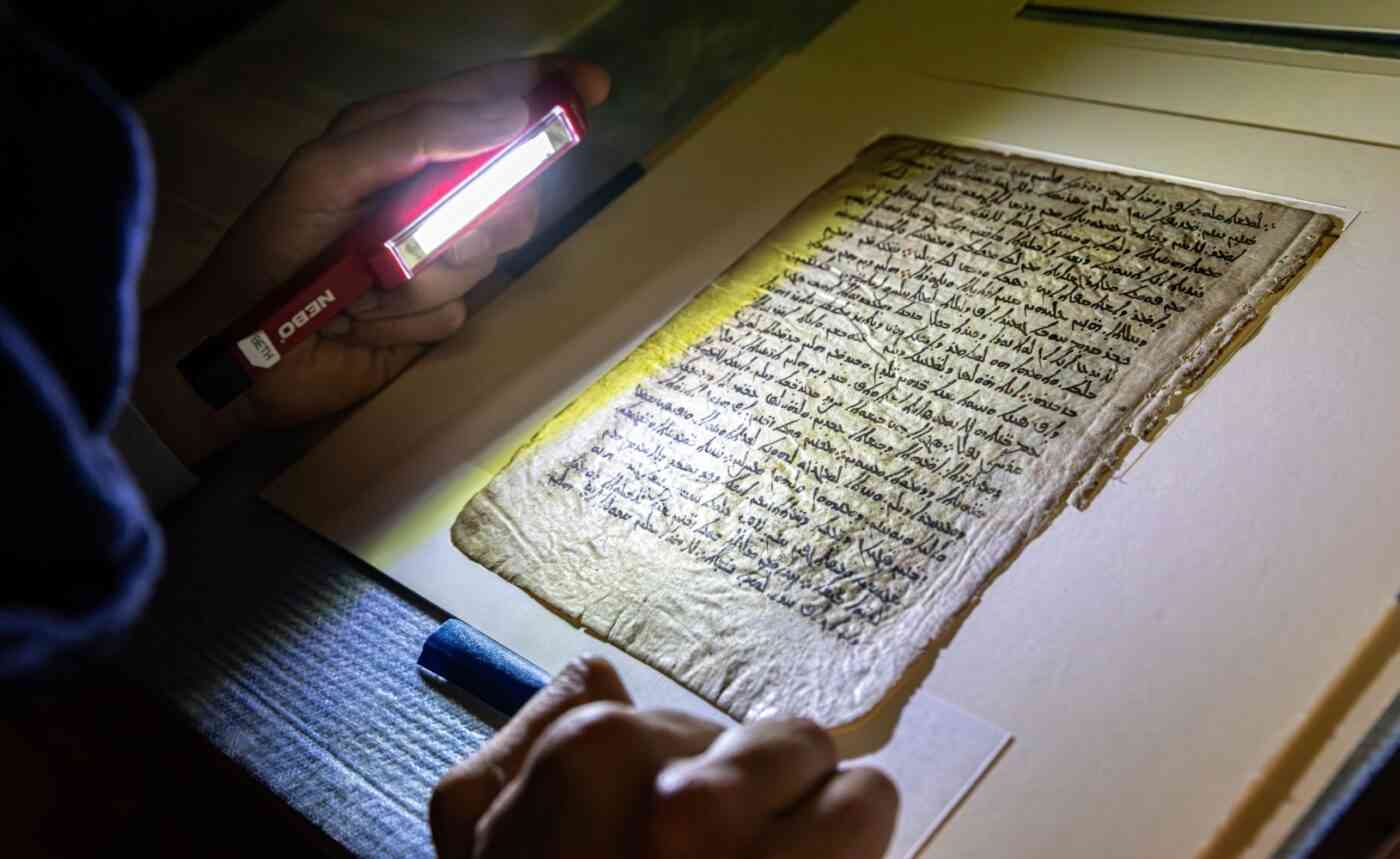
For centuries, one of the most significant documents in astronomical history remained lost to time. Ancient lines of ink had “vanished” beneath layers of medieval religious text, hidden from the naked eye. Now, thanks to modern particle physics, researchers have deciphered fragments of Hipparchus’s priceless ancient star catalog, revealing the mathematical foundations of how we map the heavens.
Hipparchus of Nicaea, a Greek astronomer living in the 2nd century BCE, stands as a titan of ancient science. His masterpiece—a comprehensive catalog completed around 129 BCE—contained at least 850 stars, each meticulously mapped with coordinates based on latitude and longitude. This was the first known instance in which stars were recorded using rigorous mathematical methods, marking a definitive leap in human knowledge. Furthermore, Hipparchus reportedly constructed a celestial globe to mirror his findings, though it did not survive the toll of the ages.
For generations, scholars knew of Hipparchus’s work only through later authors. Claudius Ptolemy mentioned it in his own Almagest, written some 400 years later. This gap fueled a long-standing academic question: did Ptolemy conduct original observations, or did he rely heavily on Hipparchus’s earlier data? Unfortunately, the original Greek records seemed to dissolve into the shadows of history, surviving only in fragmented 5th- or 6th-century copies paired with the astronomical poem Phaenomena by Aratus.
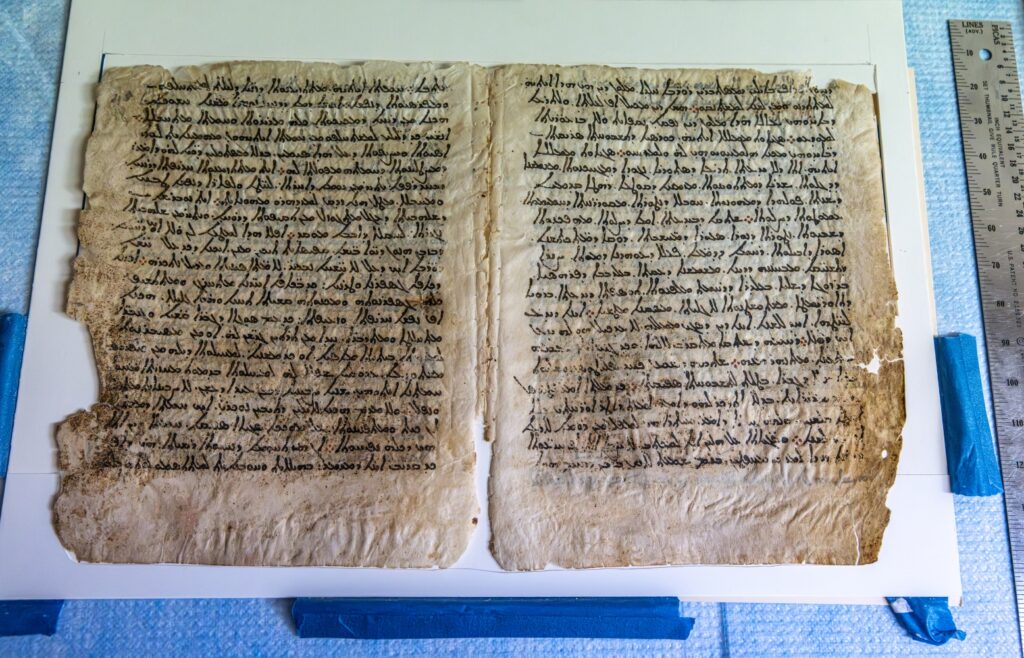
The survival of these fragments took a turn for the worse during the Middle Ages. Between the 9th and 11th centuries, monks at Saint Catherine’s Monastery on Egypt’s Sinai Peninsula—likely desperate for writing materials—scraped away the ancient astronomical text. In its place, they inscribed a Syriac translation of religious works by St. John Climacus. This was a standard practice of the era: parchment was rare and expensive, and many “unnecessary” texts were erased to make room for new manuscripts.
As a result, the document became a palimpsest—a manuscript with multiple layers of writing—known as the Codex Climaci Rescriptus. Although the manuscript was rediscovered in 2012 at the monastery, it is currently housed at the Museum of the Bible in Washington, D.C., where its deepest secrets remained locked until recently.
Crucially, erasing ink from parchment does not remove it entirely. The chemical components of the original ink soak into the animal hide, leaving a molecular “shadow” that is invisible to the human eye but detectable through advanced imaging.
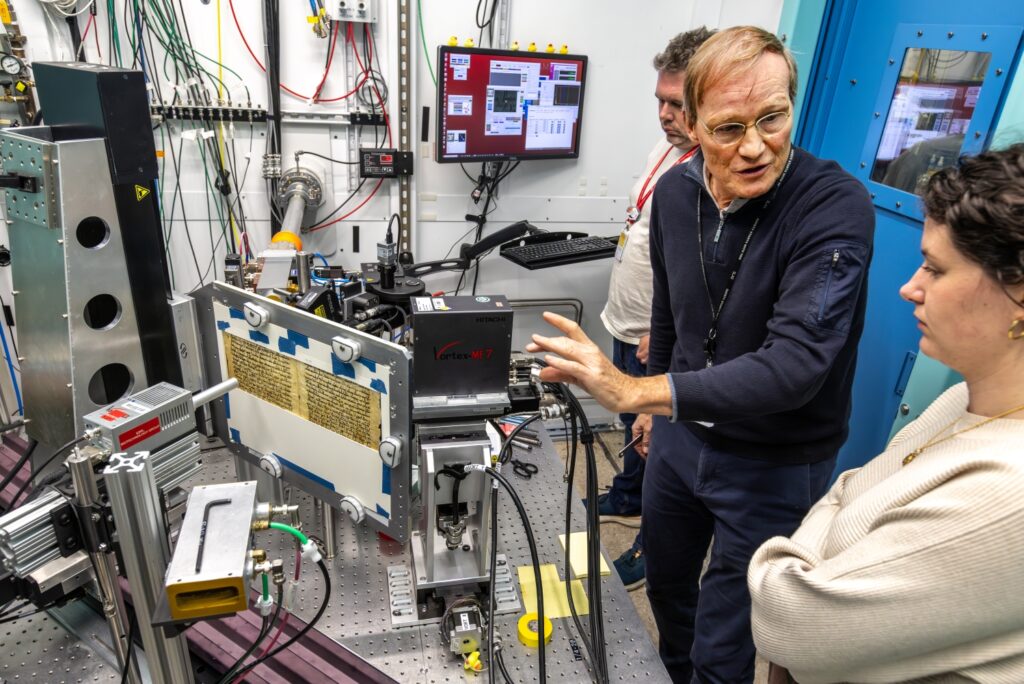
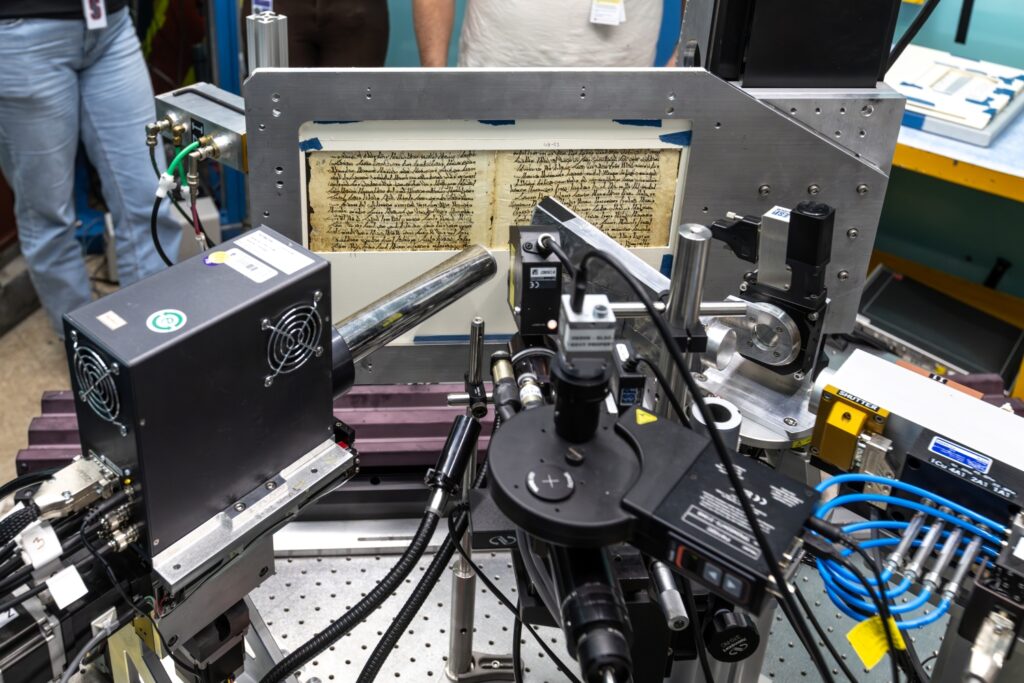
In January 2026, researchers transported 11 pages of the manuscript to the SLAC National Accelerator Laboratory in Menlo Park, California. To “read” the erased layers, they used a synchrotron—a particle accelerator that generates intense X-ray beams. These beams penetrate the parchment and reveal hidden ink through the distinct chemical signatures of the original writing.
Through this process, scientists reconstructed segments of the erased text. These fragments include precise coordinates for stars within constellations such as Aquarius. The data confirmed Hipparchus as the source: the accuracy and the distinctive coordinate system match historical accounts of his methods.
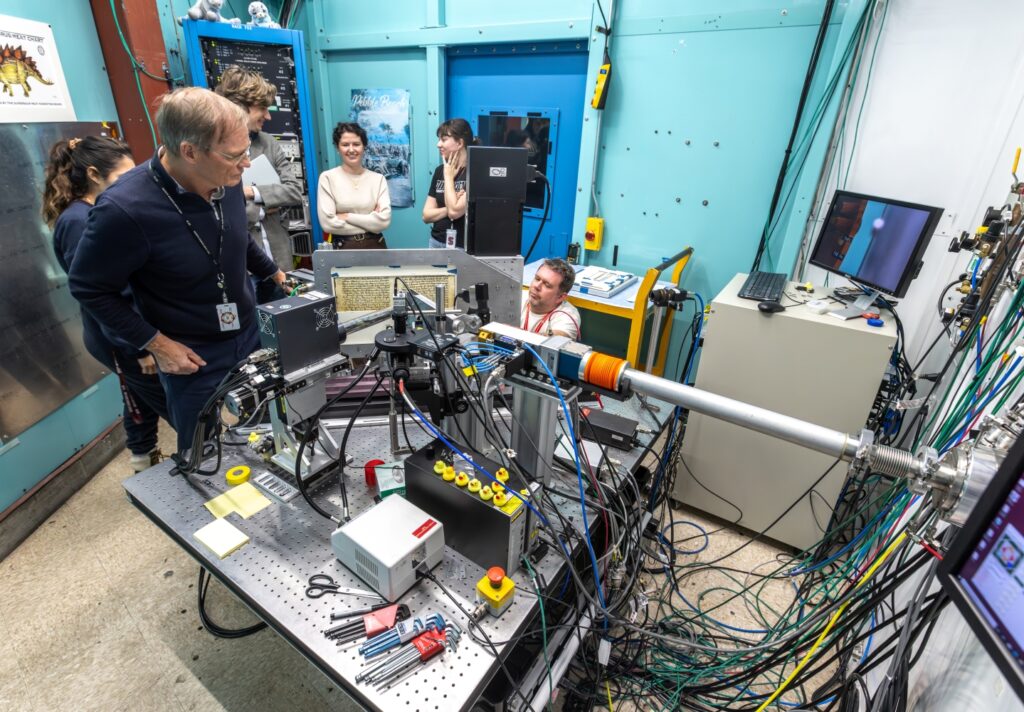
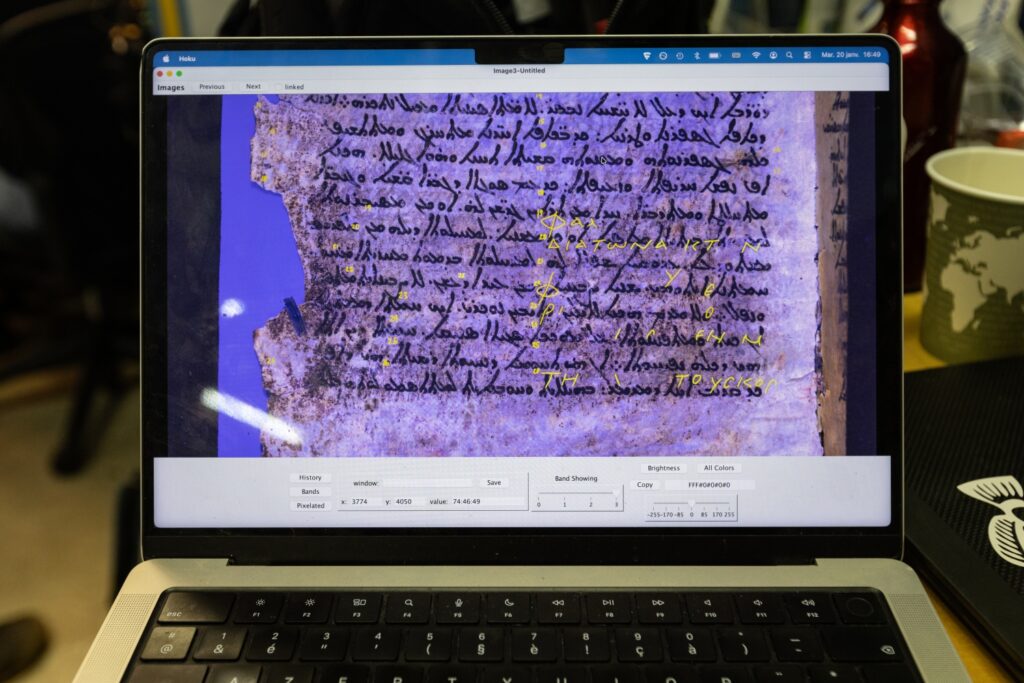
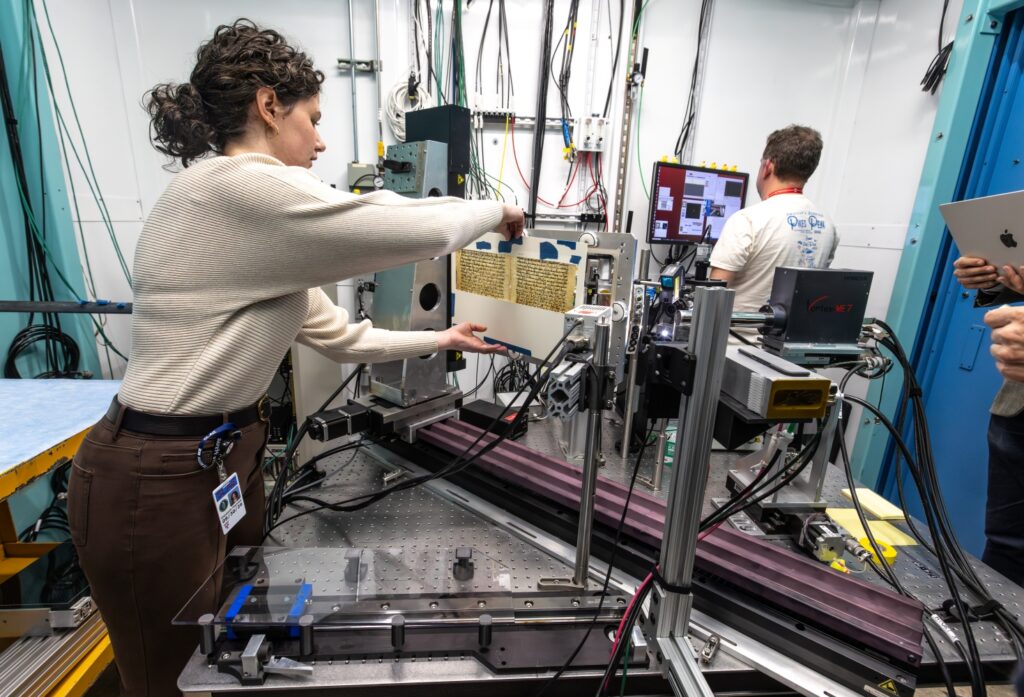
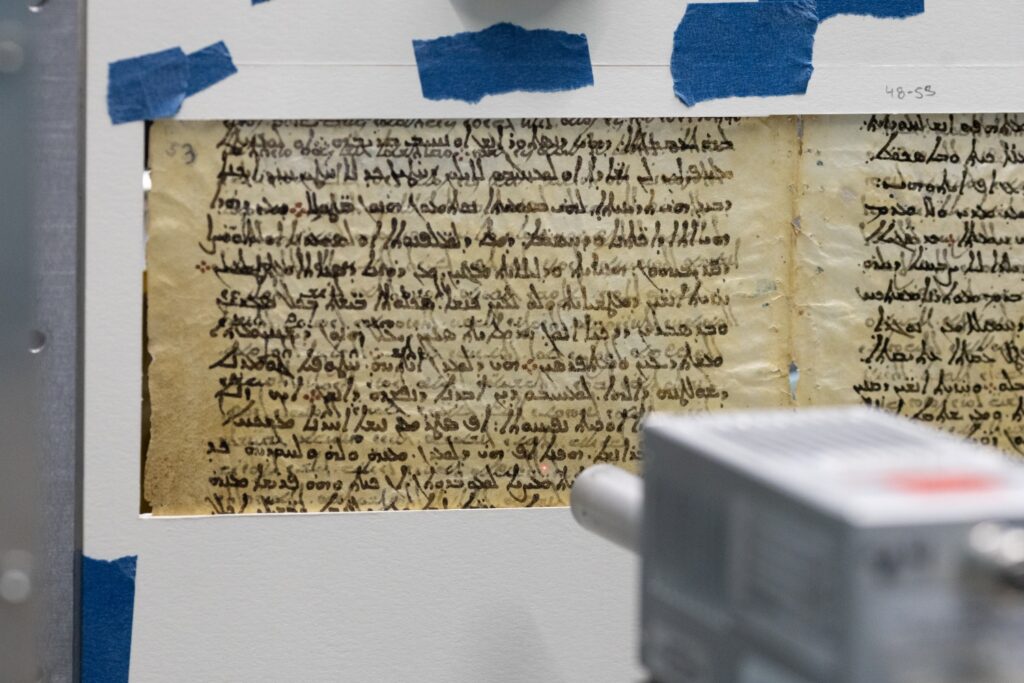
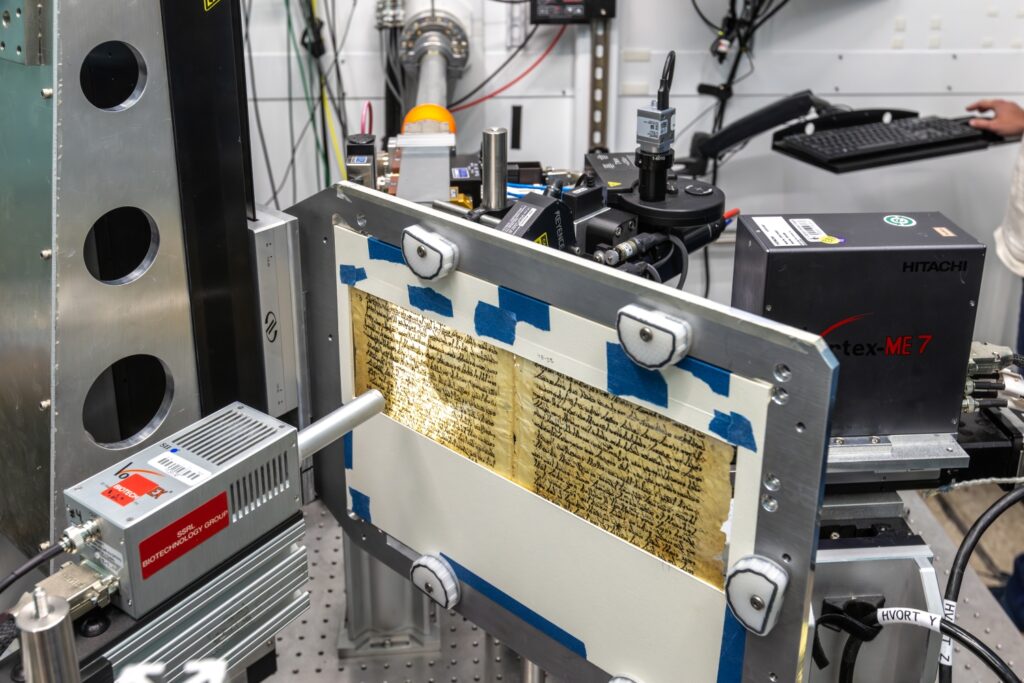
This discovery offers fresh evidence in a long-running argument among historians. For years, scholars debated how much Ptolemy’s catalog depended on earlier sources. By comparing the newly recovered coordinates, researchers found meaningful differences, suggesting that while Ptolemy built on his predecessor’s foundation, he did not simply copy Hipparchus line for line.
It’s not plagiarism; it’s science. We still work this way today—combining sources to obtain the best possible data.
– explains study co-author Victor Gysembergh of the National Center for Scientific Research in Paris.
Furthermore, the breakthrough offers a potential roadmap for reconstructing the ancient sky and comparing it with modern observations. It also raises hopes for future work on other palimpsests using high-end imaging. Scientists now believe that additional manuscripts at Saint Catherine’s Monastery may preserve more fragments from Hipparchus’s ancient star catalog, waiting for the light of a particle accelerator to bring them back to life.
Read this article in Polish: Niezwykły atlas nieba odnaleziony. Szukano go od stuleci


A Journalism and Social Communication graduate with 15 years of experience in the media industry. He has worked for titles such as "Dziennik Łódzki," "Super Express," and "Eska" radio. In parallel, he has collaborated with advertising agencies and worked as a film translator. A passionate fan of good cinema, fantasy literature, and sports. He credits his physical and mental well-being to his Samoyed, Jaskier.


Zmień tryb na ciemny