Truth & Goodness
The Most Deceptive Word in the World. So Many Fall for It
06 April 2026





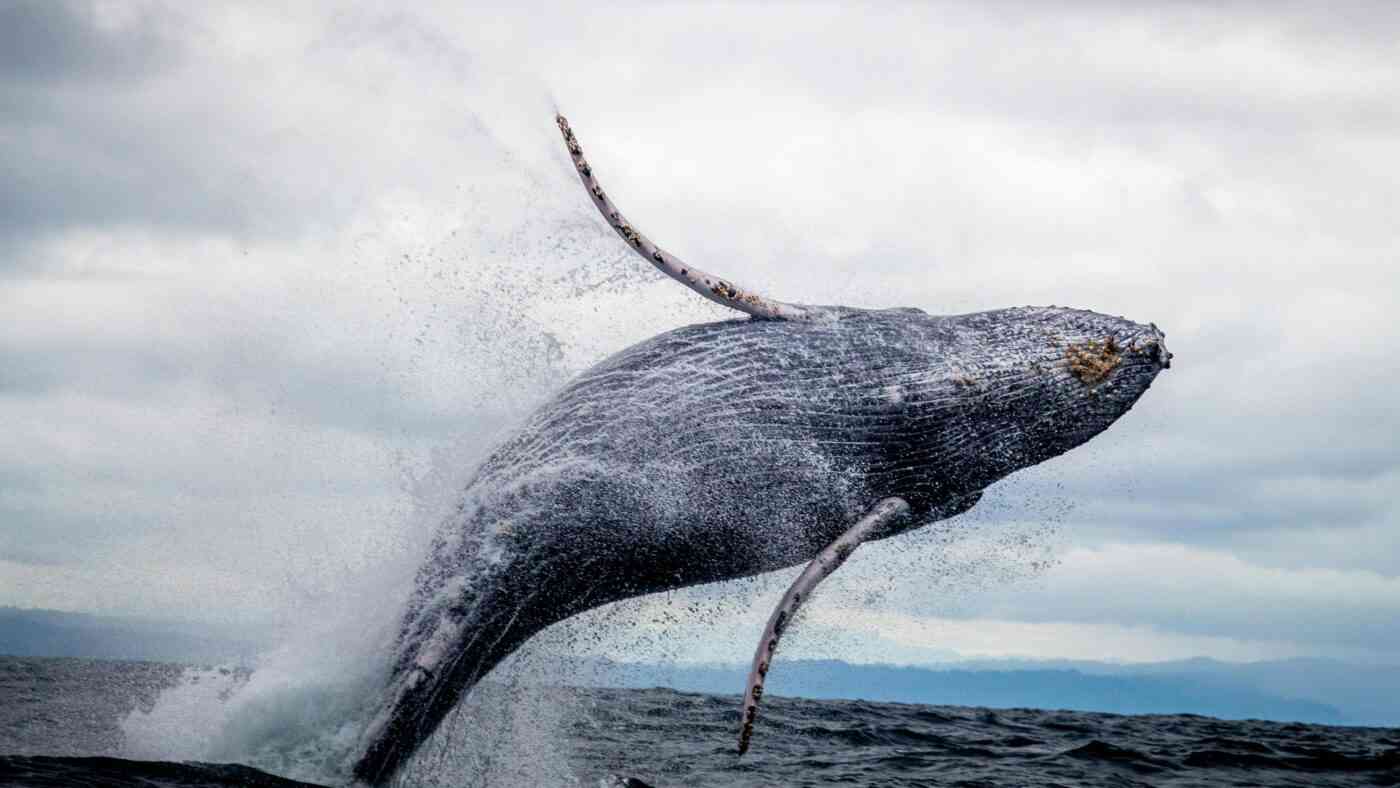
Coastal communities in what is now southern Brazil were already ancient whale hunters 5,000 years ago. This groundbreaking discovery identifies them as the world’s earliest known whalers, pushing back the origins of this maritime tradition by an entire millennium.
Five thousand years ago, off the shores of today’s Santa Catarina state, Brazil’s indigenous inhabitants paddled small boats into the Atlantic to confront leviathans. They were armed with harpoons carved from whale bone. These daring mariners targeted massive cetaceans. Meanwhile, recent research reveals that these societies were among the first globally to develop specialised technology for large-scale whaling. This study, published in Nature Communications, rewrites history by shifting the dawn of known whaling back a thousand years.
Researchers from the Autonomous University of Barcelona recently re-examined collections at Brazil’s Museu Arqueológico do Sambaqui de Joinville. The archives held thousands of marine mammal bones and enigmatic bone tools unearthed decades ago from sambaquis. These monumental shell mounds, built over millennia by coastal communities, serve as stone-and-shell archives of ancient life.
The team conducted rigorous zooarchaeological, typological, and molecular analyses to determine the function of these artefacts and the species they came from. The findings showed a dominance of Southern right whales, humpbacks, and dolphins. However, the presence of blue whales, sei whales, and sperm whales surprised the researchers. This revealed a much broader spectrum of prey than previously imagined.
To identify the “mysterious” artefacts, scientists compared wear patterns on the museum specimens with ethnographic descriptions and known harpoon examples from across the globe. This process successfully identified harpoon shafts ranging from 26 to 52 cm in length. They were crafted from whale ribs. Additionally, the tools’ specific proportions match those required for hunting massive whales from small, unstable watercraft.
Evidence shows that many of these bones bear distinct cut marks and signs of butchery, indicating an organised process for harvesting meat and blubber. Crucially, the discovery of whale-bone harpoons alongside the remains of the same species suggests a sophisticated cycle. Hunters used the bones of past catches to craft weapons for their next hunt. Beyond mere survival, many remains appeared in burial contexts. This hints that ancient whale hunters viewed these creatures with deep ritual and prestige.
Radiocarbon dating places the oldest harpoons at approximately5,000 years old. Consequently, organised whaling occurred in South America a full millennium before the earliest documented cases in the Arctic or North Pacific. This shift transforms our understanding of the “sambaqui” people from simple shell-gatherers into sophisticated marine predators.
This study positions southern Brazil as one of the earliest hubs for the exploitation of great baleen whales,
– the authors note in Nature Communications. Their work effectively extends the known timeline of human interaction with these giants.
The reconstruction of ancient whale ranges also carries vital weight for today’s conservation efforts. The high volume of humpback remains proves that their historical range along the Brazilian coast was much wider than it is today. Moreover, their recent return to these waters might not just be a recovery. Rather, it could be a long-term recolonisation process following the devastating era of industrial whaling, as remembered by the ancient whale hunters of the past.
Read this article in Polish: Harpuny i gigantyczne walenie. 5 tys. lat temu wyruszali na morskie łowy


A Journalism and Social Communication graduate with 15 years of experience in the media industry. He has worked for titles such as "Dziennik Łódzki," "Super Express," and "Eska" radio. In parallel, he has collaborated with advertising agencies and worked as a film translator. A passionate fan of good cinema, fantasy literature, and sports. He credits his physical and mental well-being to his Samoyed, Jaskier.


Truth & Goodness
05 April 2026

Zmień tryb na ciemny