Science
When Loss Hurts but Also Changes a Child
23 March 2026





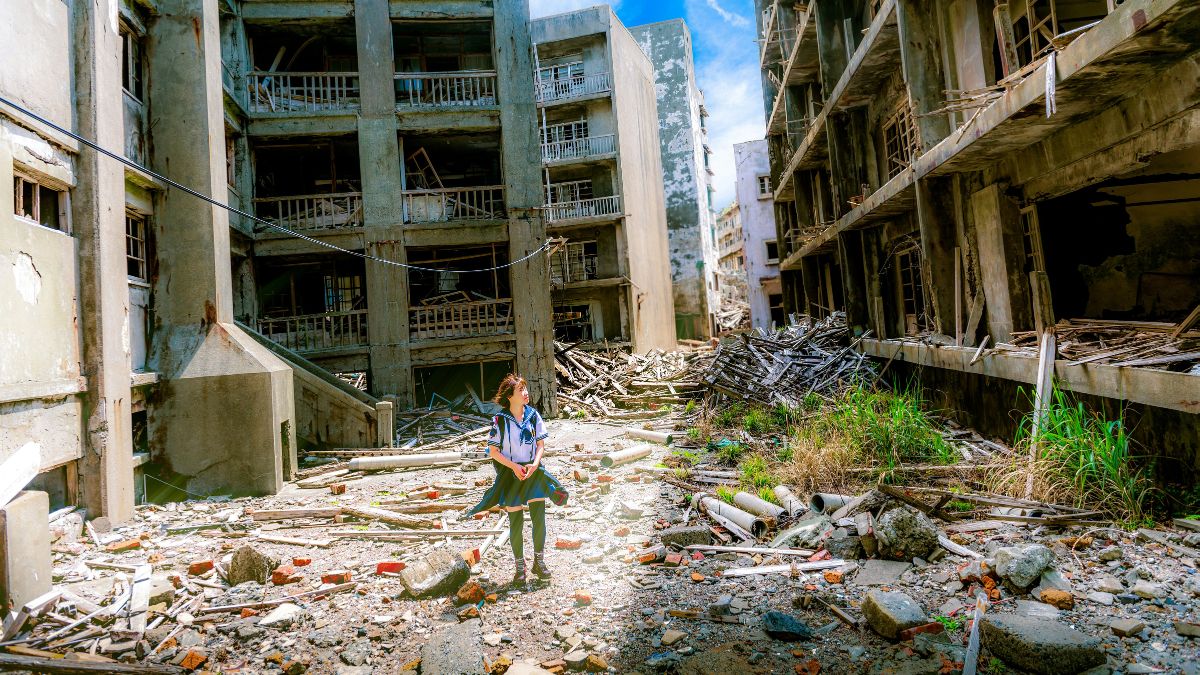
War never stays where it explodes. Instead, it seeps into homes, rips families apart from the inside, and leaves the deepest scars on children. New research in armed conflict psychology reveals a disturbing domino effect—simply living in the shadow of conflict is enough to feel its hidden consequences.
Family members living in zones of armed political conflict are more prone to aggressive behavior toward one another. Worse yet, these patterns persist for years after the immediate threat of violence ends. These conclusions stem from an eight-year observation of over a thousand Israeli and Palestinian children.
Researchers examined 451 children from Israel and 600 children from Palestine to verify how direct exposure to conflict affects aggressive behaviors within their families. The experiment’s results, published in the International Journal of Behavioral Development, reveal the far-reaching effects of wars and political violence.
Paul Boxer from the University of Michigan, who led the international research team, explains the mechanism of this destructive spiral: “Exposure to conflict acts as a source of genuine, persistent stress and increases aggressiveness between parents,” the researcher asserts. “Consequently, this increases their use of harsh discipline toward children, and ultimately, the child’s own tendency toward aggressive behavior.”
The study tracked children and adolescents aged 8, 11, and 14 from 2007 to 2015. During this period, the Israeli-Palestinian conflict claimed nearly 5,500 lives; children constituted 21 percent of those victims. Researchers from the University of Michigan, the Hebrew University of Jerusalem, and the Palestinian Center for Policy and Survey Research in Ramallah created arguably the first cross-cultural test demonstrating how armed conflict stress permeates the entire family structure.
According to Boxer, inter-ethnic and political violence impacts all areas of a child’s life. Problems faced by families living in conflict zones, such as food insecurity or parental unemployment, mutually compound each other. Specifically, war creates a range of conditions leading to stress, and thus the destruction of family relationships and the emergence of violence, creating a vicious cycle.
The research concluded almost a decade before the currently escalating conflict in the Gaza Strip. However, given these events, its findings are even more timely. The authors emphasize that in 2024, armed conflicts worldwide resulted in over 200,000 deaths. Furthermore, one-eighth of the world’s citizens live within five kilometers of political violence locations. It is precisely these people and their families who face the domino effect that starts on the battlefield and ends in the family home.
The team’s findings indicate a need for multi-level interventions—programs addressing both the causes of political violence and conflicts, as well as the processes that perpetuate harm within specific families. Researchers stress that most families in politically violent areas are “innocent bystanders” who do not directly participate in the conflict. Even if a home is not destroyed during an airstrike or a family member is not killed, the conflict still takes its toll. Simply being near such events causes stress, which directly leads to frustration and aggression.
Programs strengthening parental mental health, reducing aggression within the family, and promoting peaceful conflict resolution can help interrupt the intergenerational transmission of trauma. In Paul Boxer’s opinion, such initiatives cannot only target children. Direct exposure to conflict affects entire families. Therefore, parents must also participate in these programs.
Read this article in Polish: Konflikt wybucha na ulicach. A potem przenosi się do rodzinnych domów


A journalist and a graduate of Jagiellonian University. He gained experience in radio and online media. He has dozens of publications on new technologies and space exploration. He is interested in modern energy. A lover of Italian cuisine, especially pasta in every form.


Zmień tryb na ciemny