Humanism
In the Mountains of Madness: Science Confronts the Legend of the Halny
28 March 2026





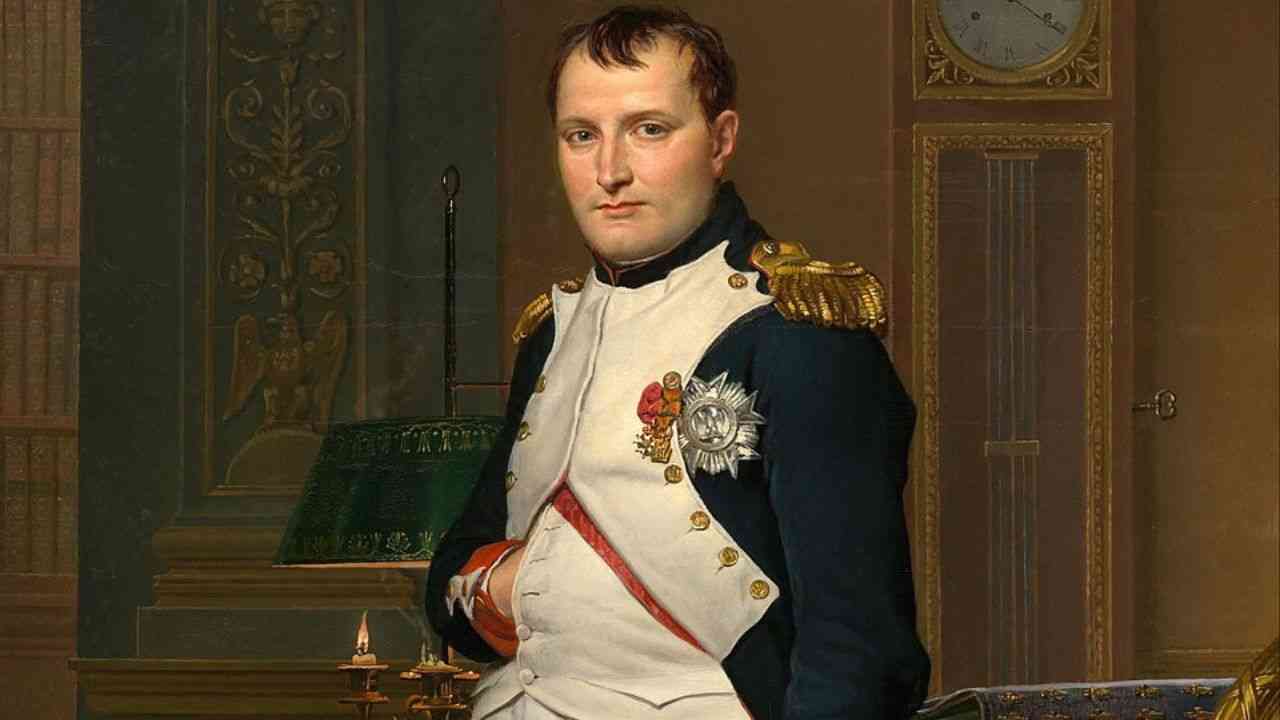
The army of Napoleon Bonaparte suffered its greatest historical defeat during the war with Russia. For years, historians pointed to cold, hunger, and epidemics like typhus as major drivers of mass death. Now, DNA found in teeth reveals evidence of 2 other bacteria that may have worsened the toll.
In 1812, approximately 3,000 soldiers from the army of Napoleon Bonaparte were buried in a mass grave in Vilnius. They came to rest in this place almost by accident: nameless, in a hurry, and without a farewell. Until recently, we thought we knew the causes of their deaths. Hunger, cold, and epidemic disease accompanied wars, and not only in the 19th century.
Now, scientists from the Pasteur Institute in Paris and other organizations have shown that this story needs an update. Teeth from the soldiers provided the key to solving this 200-year-old mystery. Researchers detected evidence of 2 bacteria in the dental DNA.
Napoleon Bonaparte was the Emperor of the French and King of Italy. He gained fame as one of the greatest strategists in history. He rose to power on the wave of the French Revolution, introduced the Civil Code (later named after him), and brought much of Europe under his control.
Across Europe, people remember him in sharply different ways. Some see a modernizer who reshaped law and state institutions. Others remember the cost of his wars, including catastrophic campaigns that ended in suffering on a vast scale. One of his greatest defeats was the war with Russia in 1812.
Bonaparte assembled an army of over 600,000 men at that time. Despite this, the size of the army dropped drastically to about 100,000 soldiers in only a few months. Strategic errors, cold, hunger, and disease all contributed to the collapse. Many survived, while countless others fell along the retreat routes and ended in hurried burials. Today, scientists extract further details of these soldiers’ stories from the remains left behind.
Experts from the Pasteur Institute in Paris and Aix-Marseille Université returned to the famous burial site in Vilnius. They aimed to learn what killed so many soldiers during the retreat. Earlier work often focused on typhus and trench fever, and historians long suspected those diseases played a major role. This time, the team used broader genetic methods that can reveal pathogens without searching for only 1 suspected culprit.
The results pointed to a more complex picture than many expected.
Genetic analysis of 13 teeth from the soldiers revealed traces of Borrelia recurrentis. This bacterium causes louse-borne relapsing fever. The illness can bring repeated waves of very high temperature, chills, and extreme exhaustion. Those symptoms can prove devastating for soldiers who are already weakened by starvation and exposure.
But that was not the end of the findings.
According to an article in the scientific journal Current Biology, DNA from the teeth also revealed Salmonella enterica lineage Paratyphi C. This pathogen causes paratyphoid fever. It spreads through contaminated food and water, which were common threats in a massive army moving through chaos with poor sanitation.
Researchers stress that Paratyphi C and Borrelia recurrentis do not explain every death in the retreat. Cold, hunger, and multiple overlapping infections likely combined to produce the catastrophe. Still, the two bacteria add an important layer to the history of one of the largest armies of its era.
Teeth are among the hardest parts of the human body. Because of that, they can act like a time capsule for ancient DNA. When documents vanish and eyewitness accounts blur into legend, genetic traces can preserve clues that no war chronicle recorded.
Thanks to these new findings, we know that the truth about the defeat of the army of Napoleon Bonaparte was more complex than it seemed. These latest discoveries come from just 13 teeth. In the future, scientists may learn even more from the remaining thousands.
Read this article in Polish: Co wyniszczyło armię Napoleona? Prawda ukryta w zębach


A graduate of journalism and social communication at the University of Rzeszów. She has been working in the media since 2019. She has collaborated with newsrooms and copywriting agencies. She has a strong background in psychology, especially cognitive psychology. She is also interested in social issues. She specializes in scientific discoveries and research that have a direct impact on human life.


Zmień tryb na ciemny