Humanism
In the Mountains of Madness: Science Confronts the Legend of the Halny
28 March 2026





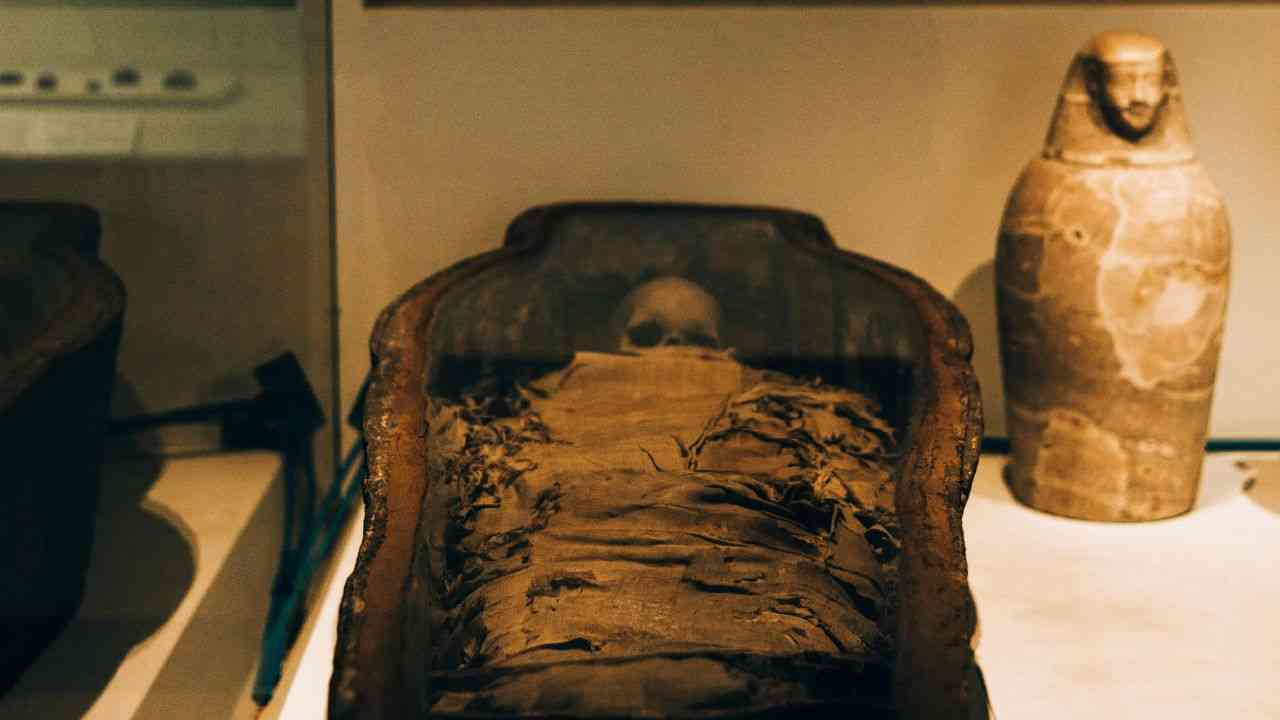
They mummified their own children, believing it was the only way to cope with overwhelming grief. They had no idea that the very ritual intended to bring solace was gradually killing those who remained. The story of the Chinchorro mummies remains one of the most haunting and staggering discoveries in the history of archaeology.
Over 7,000 years ago, in one of the most inhospitable deserts on Earth, lived the Chinchorro people. It was they—not the Egyptians or the Pharaohs—who first began to mummify their dead. For decades, scientists assumed this was either a local custom or a tradition borrowed from elsewhere. Some hypotheses even suggested that these ancient artificial mummies were merely an artistic expression of mourning.
Only now, seven millennia later, are researchers beginning to understand the true motivation behind these practices—and the devastating price the community paid for attempting to tame death.
The Chinchorro society was composed of skilled artisans, fishermen, and individuals specialized in funeral rites. Inhabiting the coast of the Atacama Desert in what is now northern Chile, they functioned as a community almost entirely dependent on marine resources. Residing in small settlements, the Chinchorro navigated a daily existence shaped by the punishing environmental conditions of one of the world’s most arid regions.
They secured their place in history through the intentional practice of mummification. The oldest known Chinchorro mummies date back to approximately 7,000 BCE, making them significantly older than the famous mummies of Ancient Egypt.
The ancient funeral rites utilized by the Chinchorro followed a strictly defined structure. The process began with the removal of internal organs and, in certain cases, the complete stripping of soft tissue from the bone. These hollowed-out spaces were then filled with clay, plant fibers, and earth to restore the body’s original shape.
Next, the remains were reassembled, reinforced with sticks and other simple materials. This procedure allowed the community to prop the body up in a standing or semi-upright position.
During the final stage of mummification, Chinchorro artisans coated the preserved body in a paste containing black manganese or, in later centuries, red ochre. These pigments served more than an aesthetic or symbolic purpose; practitioners used them to reconstruct the features of the deceased, meticulously sculpting everything from facial characteristics to genitalia. The choice of materials held profound consequences for everyone participating in the ritual.
It was these embalmed bodies that became the subject of detailed analysis by Chilean researchers. By studying the chemical composition of the substances used, they uncovered a tragic feedback loop—a ritual that, instead of providing comfort, intensified human suffering.
Dr. Bernardo Arriaza has spent years studying the Chinchorro mummies—their origins, preservation techniques, and the underlying meaning of the rite. Recent archaeological findings increasingly support the hypothesis that mummification was a desperate attempt to manage the loss of loved ones. Crucially, the research sites are dominated by the remains of infants and small children.
Since we are talking about infant and child mortality, I believe the grief and sorrow of the parents were central. In a small community, the death of a newborn could threaten the very survival of the family,
– explained Dr. Arriaza, the study’s author, as quoted by Phys.org.
However, the staggering number of dying infants was no accident.
In the Camarones Valley region, scientists discovered exceptionally high concentrations of arsenic—a toxic element found at levels many times higher than modern safety standards. This environmental contamination had devastating consequences, particularly for women and children. Research indicates frequent miscarriages and an incredibly high infant mortality rate among the population.
Under such conditions, the death of a child became a universal experience. Mummification likely emerged as a response to this scale of loss—a way to maintain a symbolic closeness with the deceased and a communal effort to process grief. Over time, the practice expanded from infants to include the adult members of the community.
As the popularization of the Chinchorro mummies grew, it created a vicious cycle—a literal circle of death.
While environmental arsenic was already highly toxic and contributing to the death toll, the threat didn’t stop with natural conditions. The funeral ritual itself—the very practice meant to help the living cope with loss—proved to be equally dangerous.
According to an article published in the Cambridge Archaeological Journal, the paint used to coat the mummified bodies contained manganese oxide. It was this substance that triggered a new wave of death.
Analyses revealed that many Chinchorro individuals possessed elevated levels of manganese, likely the result of prolonged exposure to the mummification paint. This led to a severe health condition characterized by:
The victims of these ancient funeral rites were typically women, as they were the ones most frequently involved in the mummification of their children. The subsequent shift to using red ochre as a preservative was a clear signal: the indigenous people of Chile realized that the previous material was leading the living to their graves rather than bringing them peace.
The introduction of the safer, red preservative coincided with a shift in social roles. The embalming process began to be taken over primarily by men. Researchers interpret this change as a shift in focus—from a ritual centered on care and mourning to a practice emphasizing visibility, competition, and the symbolic marking of territory.
The analysis of mummification in Chile reveals more than just an ancient culture. It provides a poignant image of parental despair over the loss of children, and the power of art, culture, and dominance over a landscape. The story of the Chinchorro mummies shows how grief, environment, and ritual can intertwine—with consequences no society could foresee.
Read this article in Polish: Tworzyli mumie własnych dzieci. Rytuał zabijał żywych


A graduate of journalism and social communication at the University of Rzeszów. She has been working in the media since 2019. She has collaborated with newsrooms and copywriting agencies. She has a strong background in psychology, especially cognitive psychology. She is also interested in social issues. She specializes in scientific discoveries and research that have a direct impact on human life.


Zmień tryb na ciemny