Science
Before There Are Planets, There Is Dust
16 October 2026





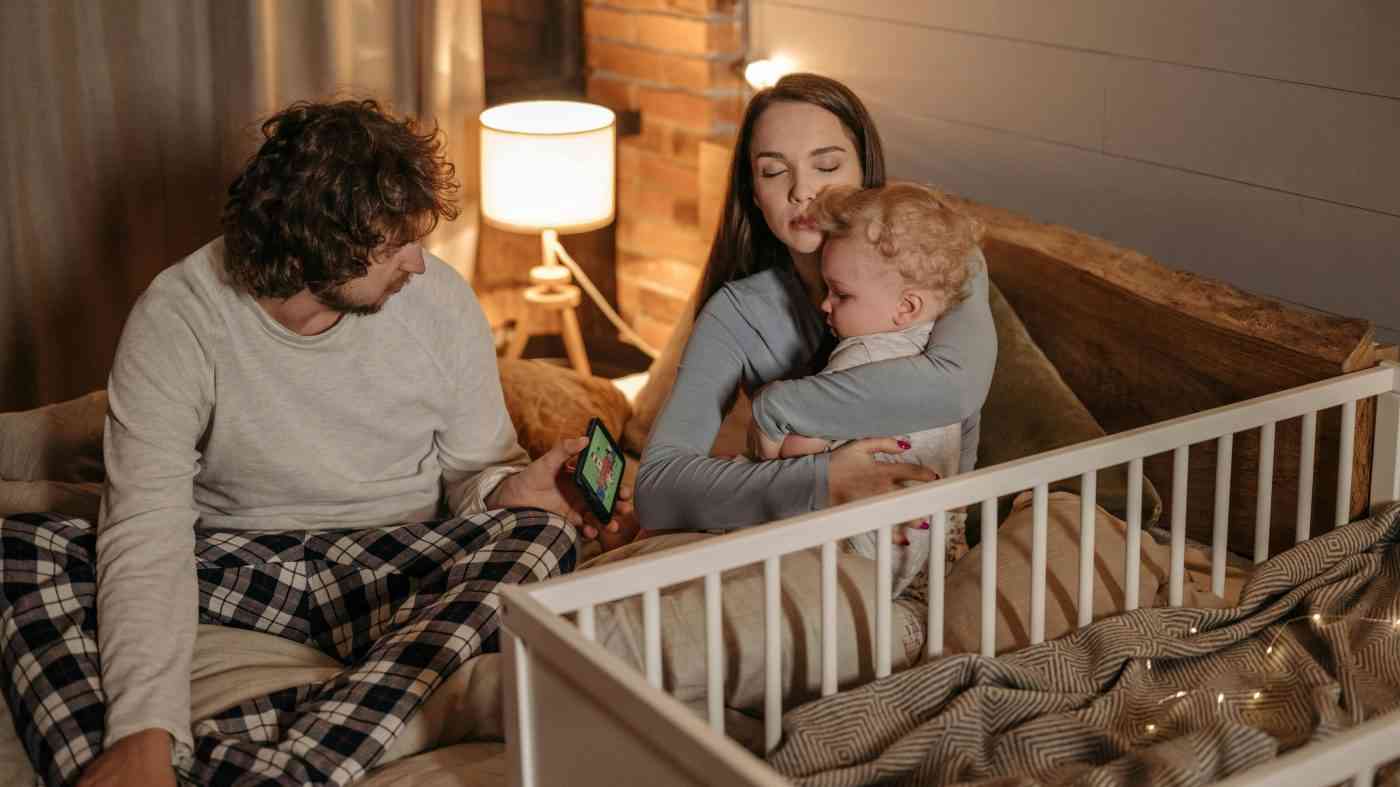
Do children make you happier? Parenthood is no longer seen as an obvious life stage, but increasingly as a conscious choice—one that carries emotional and economic costs.
A recent analysis of data from the German Family Panel, published in the Journal of Marriage and Family, shows that after the birth of a child, relationship satisfaction systematically declines—for both women and men. Importantly, this decline is not temporary. It can persist for many years after becoming a parent.
Why does this happen? Researchers point primarily to changes in the everyday dynamics of a relationship. After a child is born, negative interactions between partners increase—especially conflict and tension. At the same time, positive behaviours decline: affection, gratitude, emotional closeness, and time spent together as a couple.
In other words, the problem is not the child itself. It is the way childcare reshapes the rhythm of a relationship. Sleep becomes a luxury. Spontaneity disappears. Conversations revolve around logistics rather than intimacy.
Does this mean that parents are unhappy? Not necessarily.
It is more accurate to say that they often experience fewer daily pleasures, while gaining a stronger sense of long-term meaning. This is known as the parenthood paradox. On a day-to-day level, parents—especially those with young children—report lower levels of positive mood and higher stress than people without children. They lose freedom, time for themselves, and spontaneity.
But when we take a longer view—looking at life satisfaction and meaning—the picture changes. Many parents say that children gave their lives a deeper dimension, even if everyday life became more difficult.
That is why the question do children make you happier is, in a sense, the wrong question—unless we define happiness purely as comfort and good mood.
Yes, children often make life harder. They bring less sleep, less time, more tension, and greater vulnerability to relationship crises. But many parents also describe something harder to measure: a deeper sense of meaning, responsibility, and rootedness in time.
Research shows that in later life, parents often report higher life satisfaction than people who chose to remain childfree.
The new German study, however, is not necessarily representative of all contexts. There are also analyses that challenge the idea that parenthood and well-being cannot go hand in hand. Earlier research based on German data found that while parents may be less satisfied with certain areas of life, they are still more satisfied with their lives overall than their childfree peers. In Scandinavian countries, where parental leave is long and equally shared, and childcare is affordable and accessible, parents are just as happy—or even happier—than those without children.
It is also important to add a frequently overlooked context. In the debate over whether children make people happier, we often forget that childlessness is not always a choice. Studies on involuntary childlessness—due to infertility or lack of a partner—show higher risks of anxiety, depression, and chronic distress, especially when accompanied by a lack of social support.
It is therefore impossible to say definitively that parents are unhappy. A more honest conclusion would be that parenthood puts well-being under significant strain—especially in everyday life and in relationship quality. At the same time, it can strengthen the sense that our lives matter and are rooted in something larger than ourselves.
So when we ask whether children make us happier, we should first clarify what kind of happiness we mean. Short-term comfort—or a deeper conviction that life, despite fatigue, has meaning?
Read this article in Polish: Rodzicielstwo bez radości. Szczęście po latach wygląda inaczej


A Journalism and Social Communication graduate with 15 years of experience in the media industry. He has worked for titles such as "Dziennik Łódzki," "Super Express," and "Eska" radio. In parallel, he has collaborated with advertising agencies and worked as a film translator. A passionate fan of good cinema, fantasy literature, and sports. He credits his physical and mental well-being to his Samoyed, Jaskier.


Zmień tryb na ciemny