Humanism
In the Mountains of Madness: Science Confronts the Legend of the Halny
28 March 2026





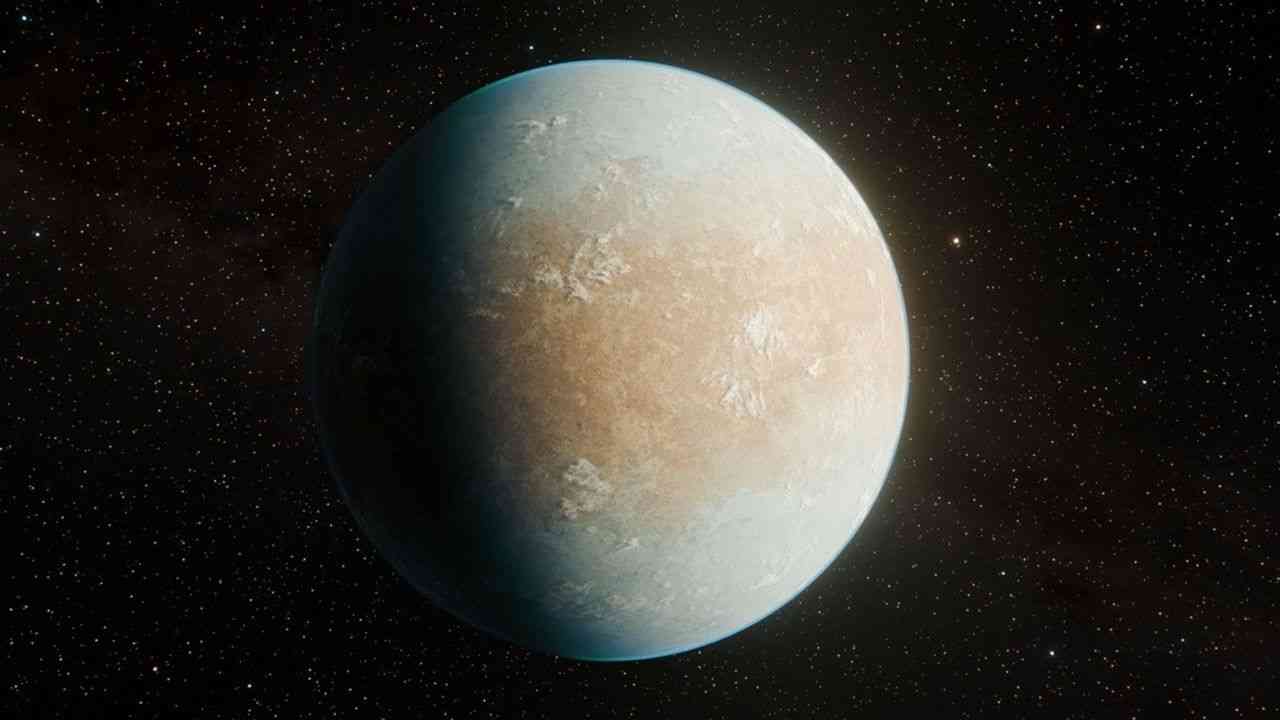
Astronomers have teased the discovery of an “Earth 2.0”—a world with a nearly identical size and a near-Earth-length year. But while the excitement is real, there’s a major catch: this potential Earth-like exoplanet may be far colder than most people imagine.
Even seasoned researchers found a surprise lurking in archival NASA K2 data. The candidate, known as HD 137010 b, measures only about 6 percent larger than Earth and follows an orbital schedule remarkably similar to our own year.
Current models place the world near the outer edge of the habitable zone. Depending on the specific scientific definition, the planet sits either inside—or just on the fringe of—the region where liquid water might survive under the right atmospheric conditions.
Researchers identified the signal in 2017 observations from NASA’s K2 mission. They used the transit method, spotting a tiny dip in starlight as the object crossed in front of its host star. However, a key limitation remains: so far, scientists possess only a single transit observation. This means the planet keeps its “candidate” status until follow-up studies provide more proof.
NASA experts nicknamed the candidate “Ice-Cold Earth” because it likely receives less than one-third of the solar energy Earth enjoys. This suggests a much harsher, colder baseline climate unless a strong greenhouse effect warms the surface.
Still, a deep freeze doesn’t automatically rule out life. A thick, heat-trapping atmosphere could potentially raise surface temperatures, making this target a compelling choice for future atmospheric research.
The study report highlights three critical stats:
In astronomical terms, this qualifies as “nearby.” The host star shines brightly enough to make future follow-up missions highly realistic.
With only one transit on record, scientists remain cautious about calling this a confirmed Earth twin. NASA typically requires repeated observations to verify signals and rule out false positives. Future missions will check for additional transits and scan for any detectable atmosphere.
Fortunately, the brightness of HD 137010 b’s star makes it an attractive target for further study. NASA points to missions like TESS and CHEOPS as potential paths to confirmation. Eventually, next-generation observatories may even probe its atmosphere directly. Whether it proves to be a true Earth analog or a frozen relic, this Earth-like exoplanet candidate represents a major step forward in our quest for another home.
Read this article in Polish: Odkryto bliźniaczkę Ziemi. Ale jest jeden ogromny problem


A graduate of journalism and social communication at the University of Rzeszów. She has been working in the media since 2019. She has collaborated with newsrooms and copywriting agencies. She has a strong background in psychology, especially cognitive psychology. She is also interested in social issues. She specializes in scientific discoveries and research that have a direct impact on human life.



Zmień tryb na ciemny