Humanism
When Goodness Becomes Procedure. How Generosity and Solidarity Fade
07 April 2026





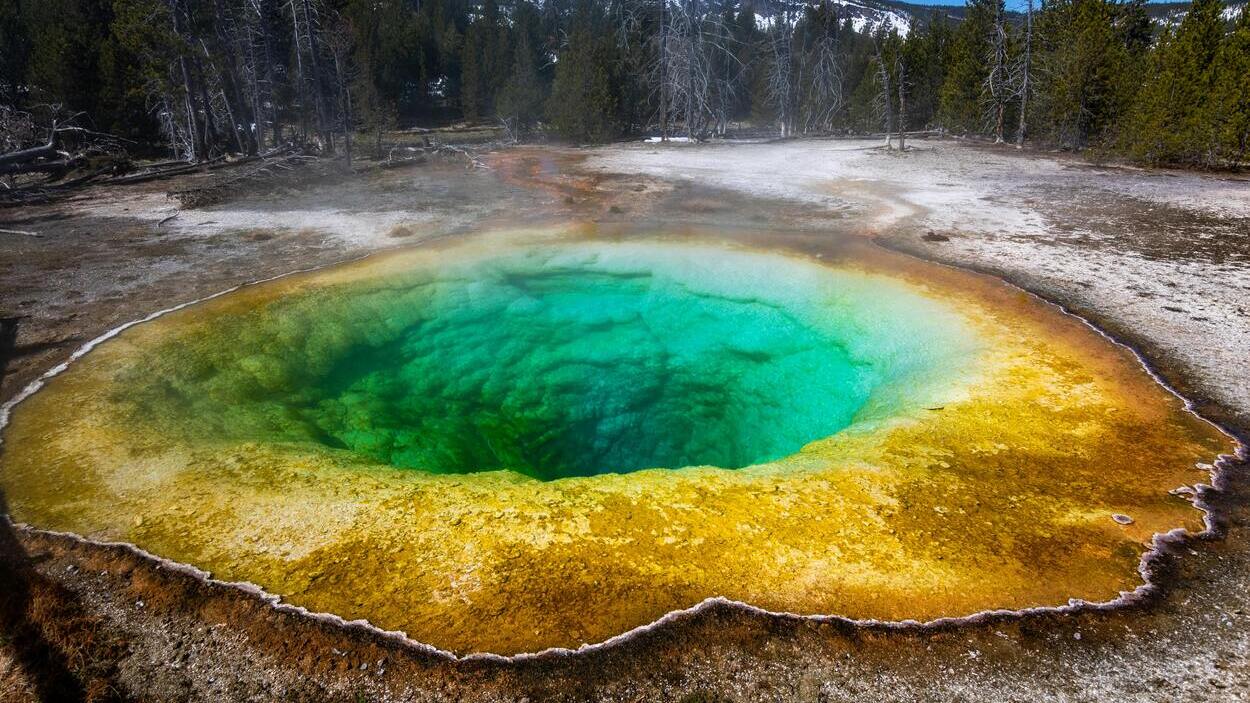
When the ground starts to shake, we usually think of a catastrophe. However, scientists have discovered that something entirely different is happening beneath our feet. In the depths, invisible to humans, tremors can trigger changes in the water and "awaken" life forms that have remained nearly inactive for long periods. Such effects of earthquakes were recently observed in the Yellowstone region.
Earthquakes are almost always associated with destructive power. Nevertheless, researchers have discovered that tremors can also have a completely different, surprising impact. In depths inaccessible to humans, these vibrations can trigger processes essential for life hidden beneath the Earth’s surface. Researchers from Montana State University in the USA decided to investigate how this is possible.
A vast, nearly invisible world exists underground. Experts estimate that up to one-third of all Earth’s biomass resides there—in the rocks and waters circulating deep below the surface. This life functions thanks to chemical energy, which must be constantly replenished. The question is: where does it come from?
Researchers sought answers in one of the most extraordinary places on Earth. In the Yellowstone region, known for its volcanic activity, they examined the aftermath of small tremors from 2021. This was where they tested how seismic activity affects microbes living deep below the surface, in an environment that usually remains out of human reach.
The scientists began by analyzing water circulating deep beneath the earth. Samples taken from nearly a hundred meters down revealed that its composition changed significantly following the tremors. More substances that can fuel life appeared—including hydrogen and carbon compounds. In practice, this means that post-quake water carries a new portion of energy that deep-dwelling organisms can utilize. And that was only the beginning.
The shifts in water chemistry did not go unnoticed. Scientists observed a distinct increase in the number of tiny organisms living in the depths. In other words, when the water chemistry changed after the tremors, life responded. Microorganisms became more numerous and active, as if they had suddenly gained access to a new energy source.
The findings published in the journal PNAS Nexus are clear: seismic activity impacts not only rocks and water but also life hidden deep underground. Moreover, the scale of these changes proved to be larger than previously assumed.
The biggest surprise came later, however. Researchers noticed that after the tremors, not only did the number of microorganisms change, but their composition did as well. Over time, certain life forms began to dominate while others disappeared. For years, experts believed that life in the depths was almost entirely cut off from what happens on the surface. That turned out to be false.
During an earthquake, a quiet movement begins underground. Rocks crack, exposing fresh surfaces that were previously tightly sealed. Water that has been trapped for years finds new flow paths and begins to circulate where it could not reach before.
That is when new chemical reactions are triggered. The resources that microorganism life depends on suddenly change—and invisible life forms gain access to the “fuel” they previously lacked.
The discoveries from Yellowstone might just be the start. Scientists point out that similar processes could occur in other places worldwide where small tremors happen regularly. If these effects of earthquakes can alter life hidden deep beneath the Earth’s surface, it may be happening much more often than we thought—it’s just that no one has observed it until now.
Read this article in Polish: Niezwykłe skutki trzęsienia ziemi. Pod powierzchnią Ziemi budzi się życie


A graduate of journalism and social communication at the University of Rzeszów. She has been working in the media since 2019. She has collaborated with newsrooms and copywriting agencies. She has a strong background in psychology, especially cognitive psychology. She is also interested in social issues. She specializes in scientific discoveries and research that have a direct impact on human life.



Zmień tryb na ciemny