Humanism
When Goodness Becomes Procedure. How Generosity and Solidarity Fade
07 April 2026





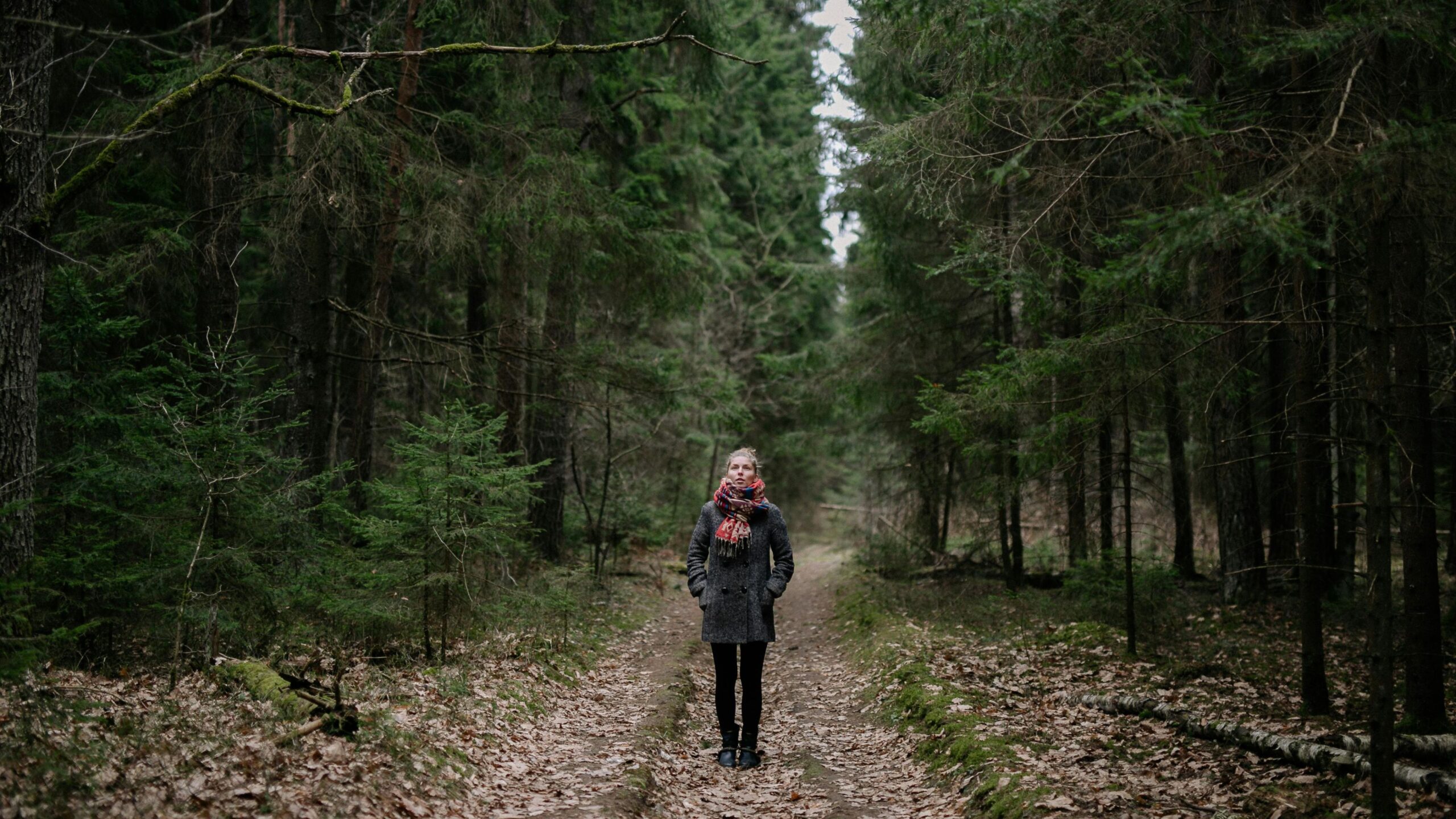
A growing number of adults feel anxiety, and even fear, when they interact with nature. Forests, insects, and wild greenery are becoming sources of stress. Scientists discuss an increasingly widespread phenomenon that they recently considered marginal. This widespread and growing fear of nature has specific roots in modern urban life.
If the forest causes anxiety instead of calm, you are not an exception. More adults experience stress in contact with nature, although imagining this just a few years ago would have been difficult. Research shows this anxiety has a name and specific causes.
We are talking about biophobia—the fear of nature. At first glance, it may sound trivial, but it is a real and increasingly common phenomenon confirmed by scientific studies.
A team of researchers from Lund University in Sweden and the University of Tokyo analyzed nearly 200 scientific studies. Their conclusions are unequivocal: more people feel discomfort, aversion, and even fear when interacting with nature. Where does this problem stem from?
According to scientists cited in Frontiers in Ecology and the Environment, biophobia has many sources. Life in a big city, where contact with nature remains minimal, is one of the key factors.
Other contributing factors include:
Researchers warn against the vicious cycle of biophobia. Avoiding nature deepens the distance, and the less contact you have, the less understanding and greater the fear you experience. The consequences of this mechanism can be much more serious than they seem.
The fear of nature can have real consequences. People who avoid nature more often lose their connection to it, which fosters indifference toward the environment and even actions that harm it. What is more, a lack of regular contact with nature negatively affects psychological well-being.
We have known for a long time that being among greenery reduces stress levels and supports cognitive function, including the ability to learn. Individuals struggling with biophobia are largely deprived of these benefits.
The situation looks entirely different in the case of biophilia.
Biophilia stands in complete opposition to biophobia. It describes humanity’s deeply rooted need for contact with nature—both the wild environment around us and in our immediate surroundings. It does not limit itself solely to the desire to be outdoors.
It also includes conscious actions, such as introducing greenery into residential and office spaces. Plants, natural light, and nature-inspired solutions help rebuild a sense of harmony with the environment.
Bringing nature closer to daily life is one effective method for countering biophobia, though it is not the only one.
The researchers involved in the Swedish-Japanese study emphasize that biophobia is not an immutable condition. Although much depends on individual circumstances, proven methods exist for mitigating this fear.
Key to recovery are education about the benefits of contact with nature and gradually increasing this relationship in a safe and controlled manner. In the long term, this helps reduce tension and rebuild a sense of balance.
Biophobia affects not only the individual’s mental health but also our relationship with the environment. Therefore, we should address the fear of nature early and consciously.
Read this article in Polish: Boisz się spaceru po lesie? Ten lęk dotyka coraz więcej ludzi


A graduate of journalism and social communication at the University of Rzeszów. She has been working in the media since 2019. She has collaborated with newsrooms and copywriting agencies. She has a strong background in psychology, especially cognitive psychology. She is also interested in social issues. She specializes in scientific discoveries and research that have a direct impact on human life.



Zmień tryb na ciemny