Humanism
When Goodness Becomes Procedure. How Generosity and Solidarity Fade
07 April 2026





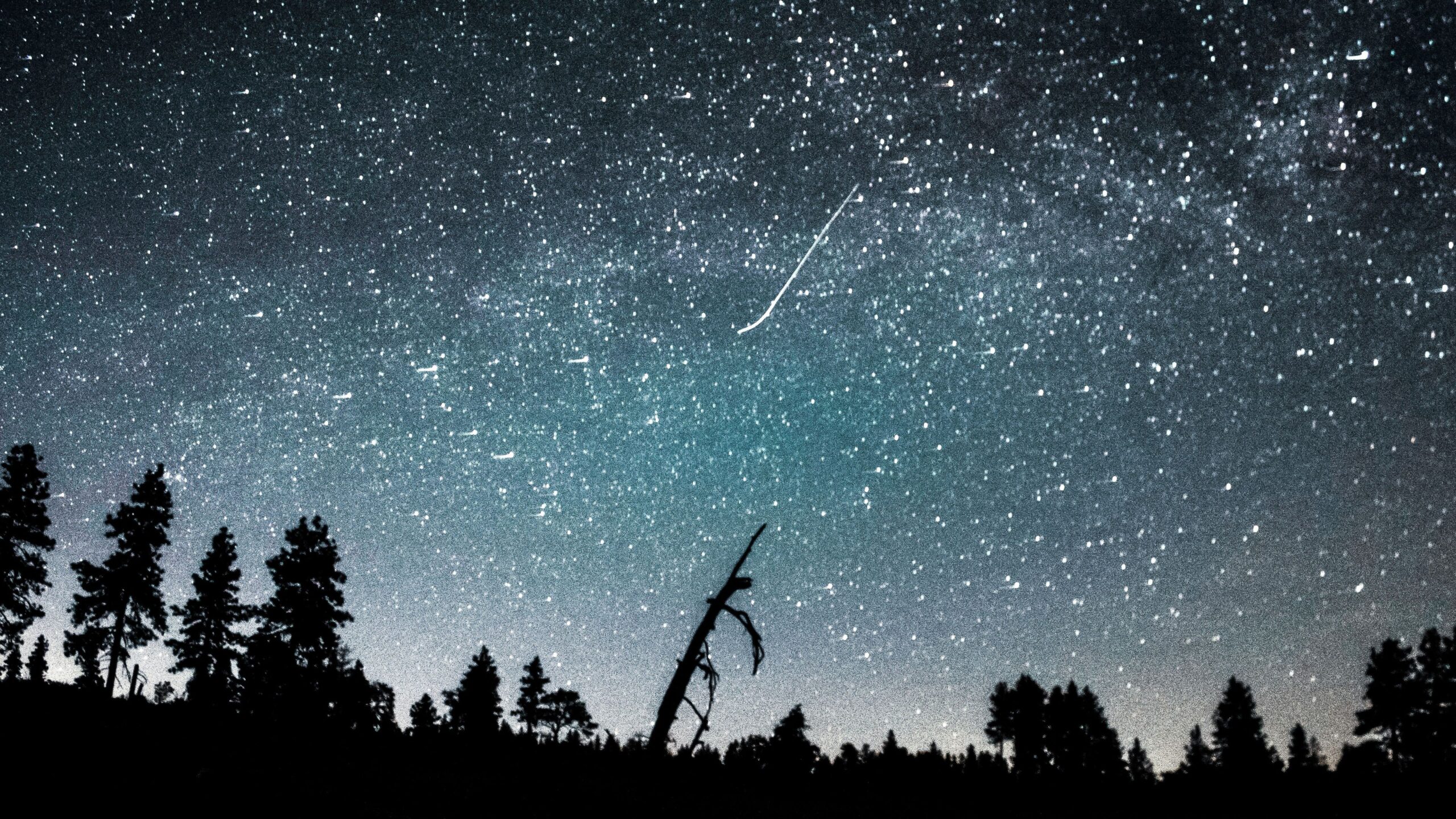
The night sky will soon transform into a true spectacle. The peak of the Geminids meteor shower is approaching—one of the few phenomena that truly takes your breath away and requires no equipment. If the weather cooperates, you will find this sight unforgettable. This annual event, known as the Geminid meteor shower, promises to be the year's best celestial display.
The Geminids are simply the December falling stars. While this is not the scientific term, the phenomenon looks exactly like stars are dropping from the sky.
In reality, it is simply the most abundant December meteor shower—bright points of light that streak across the celestial dome. You see them only for a brief moment, but sometimes they leave behind a faintly blurred trail where they passed.
The Geminids have a long history. Theoretically, their beginning dates back to 1830; that is when the first mentions of them appeared. They only began intersecting our planet’s orbit about 200 years ago. They are ejected from the asteroid Phaethon and create one of the most spectacular showers—the Geminids.
The exact origin of the Geminids remains unclear. Most scientists consider the asteroid Phaethon, discovered in 1983, to be their parent body. Many theories claim this object was the former nucleus of a comet. Other studies, however, suggest that the Geminids formed through the breakup of a comet. That breakup, in turn, created objects including the asteroid Phaethon.
Regardless of how and why they originated, you should know the most essential facts about them. And those facts are intriguing.
Make a note: everything you need to know about the Geminid meteor shower:
Despite this, prepare yourself; the show might not be quite so spectacular. Why? Because the weather can be temperamental. Furthermore, experts predict that the best observation area will be mainly the southeastern part of the country.
The December falling stars are easily detectable. And you can see the Geminid meteor shower particularly well. Therefore, even if you do not have specialized equipment—no worries. You can enjoy this sky phenomenon without additional tools.
Watch for bright streaks stretching across the sky. They provide a strong contrast against the dark sky, so you should spot them even as a beginner observer. But beware: if you do not prepare properly, you might choose a poor viewing location, and then you will not see their full potential.
For this reason, move away from light, especially artificial light. Choose the outskirts of the city instead of the center. If you can, travel outside the city to a clearing where nothing will obstruct your view.
Remember, though, that observation might take some time. Your vision needs about 20 minutes to adjust to the dark. That is why you should dress warmly, bring warming tea, and a reclining chair so you can focus on the beauty of the surrounding sky.
Memorize these tips; you will use them more than once.
December is an intensive time when you can observe several spectacular astronomical phenomena in the sky. You should start observations at the beginning of the month, as the Cold Moon appeared on December 4. This is the year’s highest and most beautiful full moon.
Right after it, the Geminids, the most abundant meteor shower, begin. Despite this, you should continue observing right through the holidays. Why? Because of the Ursids—another meteor shower that remains active in the sky until December 26.
This is one of the most abundant months of the year and a real treat for astronomy fans. It would be a shame to miss it.
Do you have a loved one interested in observing the night sky? Send them this article.
Read this article in Polish: Rój meteorów Geminidów rozświetli noc. Wyjątkowe widowisko na niebie

A graduate of journalism and social communication at the University of Rzeszów. She has been working in the media since 2019. She has collaborated with newsrooms and copywriting agencies. She has a strong background in psychology, especially cognitive psychology. She is also interested in social issues. She specializes in scientific discoveries and research that have a direct impact on human life.



Zmień tryb na ciemny