Education
What Singapore and Estonia Teach About Education Reform
21 March 2026





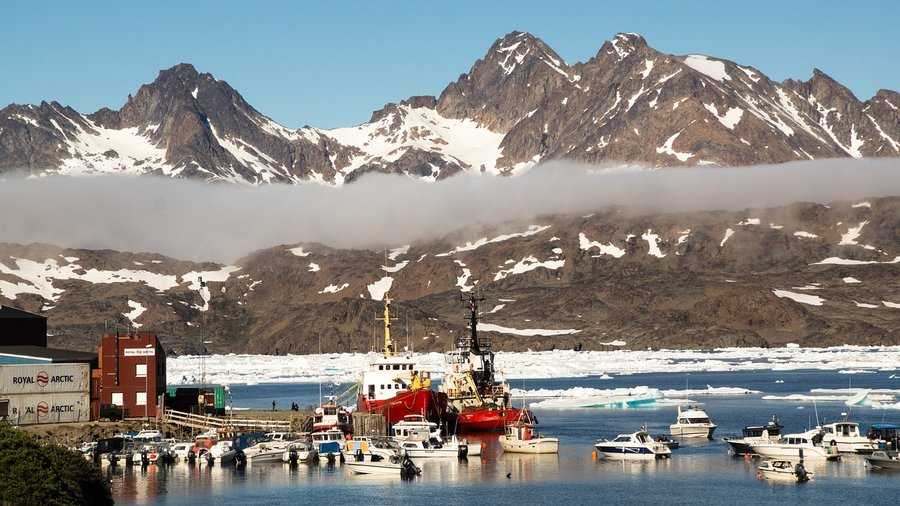
President Donald Trump has once again stunned the international community with his strategic blueprints. His renewed focus on Greenland—a territory he believes should fall under United States custody—signals a major shift in American foreign policy. But what exactly has turned this frozen island into the centerpiece of a modern geopolitical power struggle?
For decades, Greenland remained on the fringes of global politics. That changed the moment Donald Trump voiced his ambition to acquire the territory from Denmark. Once a quiet observer of world affairs, the island is now a permanent fixture in global headlines.
Stretching between the Atlantic and Arctic Oceans, Greenland remains one of Earth’s harshest environments, with an ice sheet covering 80% of its surface. While Inuit communities have called the island home for 4,500 years and Vikings established settlements in the 10th century, modern Greenland is an autonomous territory of the Kingdom of Denmark.
Today, the island’s 56,000 residents, mostly Inuit, navigate life in isolated coastal settlements like the capital, Nuuk. While the Greenlandic government manages domestic affairs, Denmark retains control over defense and foreign policy. However, the island’s pursuit of economic self-sufficiency and its wealth of untapped resources have made it an irresistible target for global superpowers.
Trump’s renewed focus on Greenland is not limited to rhetorical provocation. As reported by Reuters, in January 2026 the U.S. president stated that the United States must take ownership of Greenland to prevent strategic rivals such as Russia or China from gaining a foothold in the Arctic. He suggested that Washington could consider a mix of financial incentives and security measures, framing the island as a critical asset in future global competition.
The United States views Greenland as a dual-purpose asset: a strategic fortress and a resource goldmine. Its location between North America and Europe makes it a critical geopolitical hub. The U.S. already maintains a footprint here through the Pituffik Space Base, which anchors their northern defense systems.
Beyond military positioning, Greenland’s soil hides a treasure trove of oil, natural gas, and—most importantly—rare earth minerals. These elements are the lifeblood of modern technology, essential for everything from smartphones to advanced weaponry. Securing these resources would allow the U.S. to break its dependence on Chinese imports.
Anne Merrild, a professor of resource management at Aalborg University, emphasizes that these minerals are not locked under the ice as many believe. They sit deep within the ice-free coastal regions. However, extracting them requires more than just shovels; it demands massive infrastructure, political resolve, and new international trade frameworks.
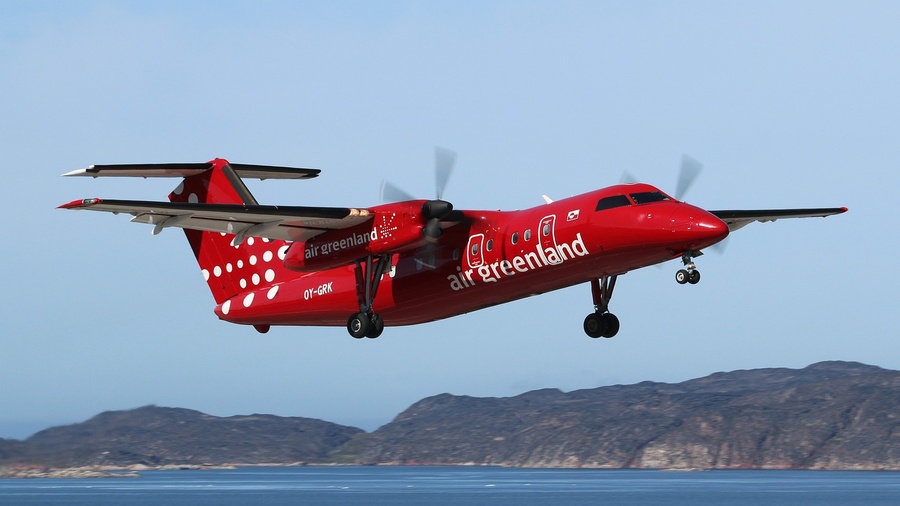
A report by Scientific American suggests that the geopolitical power struggle is also a race for the trade routes of tomorrow. As Arctic ice thins, the region could transform into a viable shortcut for international shipping. The numbers support this trend: according to the Arctic Council, ship traffic in the region surged by 37% between 2013 and 2023.
“We don’t really know the full background of these motivations,” says Kuupik Kleist, the island’s former Prime Minister, noting that Trump’s remarks caught many Americans and Greenlanders off guard.
However, science offers a clear clue. A “green” Arctic could offer significantly shorter routes for cargo moving between major population centers in the East and West.
Despite the hype, many experts remain cautious. The polar environment is notoriously unforgiving. Melting ice does not equal safe passage; it often creates unpredictable hazards that can cripple even the sturdiest vessels.
While the percentage of growth in shipping is impressive, the absolute numbers tell a different story. In late 2023, fewer than 1,800 ships operated in the Arctic region—less than 2% of the global fleet. Most of these were fishing boats, not massive cargo carriers. This data suggests that while the Arctic’s potential is growing, its current capacity remains limited.
The play for Greenland is only just beginning. With Donald Trump now steering U.S. policy from the Oval Office, it is clear that his interest in the island is more than mere rhetoric. As the geopolitical power struggle intensifies, the U.S. is likely to move beyond words, taking concrete steps to secure its influence over this strategic frontier.
Read the original article in Polish: Rozgrywka o Grenlandię. USA wkracza do gry


A Cracovian by birth, choice, and passion. He pursued radio and television journalism, eventually dedicating himself to writing for Holistic.news. By day, he is a journalist; by night, an accomplished musician, lyricist, and composer. If he's not sitting in front of a computer, he's probably playing a concert. His interests include technology, ecology, and history. He isn't afraid to tackle new topics because he believes in lifelong learning.


Zmień tryb na ciemny