Humanism
When Goodness Becomes Procedure. How Generosity and Solidarity Fade
07 April 2026





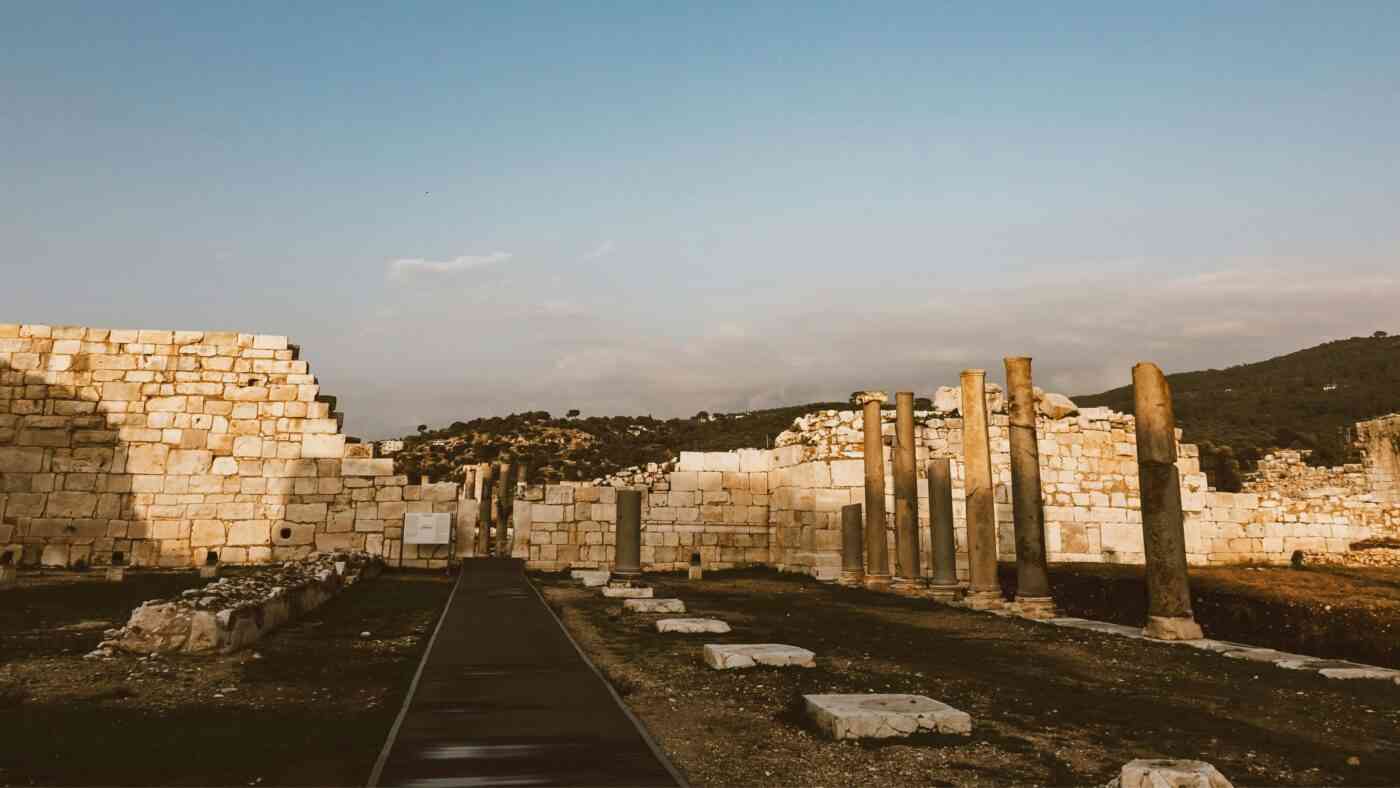
Instead of a grave, a wall. Instead of honor, a display of raw power. A skull discovered in northern Spain, dating back over 2,000 years, reveals the grim reality behind a Roman victory.
In what is now northern Spain, amidst the remnants of ancient landscapes, a war once raged that many would prefer to forget. Researchers, including scientists from Harvard University, have uncovered the La Loma skull dating back to the Cantabrian Wars. This was no ordinary burial; it stood as a chilling symbol of the violence and ruthlessness of ancient victors.
The Cantabrian War (29–16 BCE) was the final conflict between the Roman Empire and the tribes of northern Spain. Emperor Augustus gathered his elite legions to subjugate the last independent communities of Western Europe. One of the strongholds of resistance was La Loma—a small settlement in the north.
After capturing the site, the Romans plundered and burned the village, eventually dismantling its walls to ensure it could never be resettled. Amidst the ruins of La Loma, archaeologists found a skull that has become a definitive symbol of the brutality of Roman conquests. Only modern forensic methods have allowed researchers to reconstruct the fate of this fallen warrior.
This was not a standard burial for a warrior fallen in combat. The La Loma skull belonged to a man approximately 45 years old and was found without any other skeletal remains. Its condition and the context of the discovery suggest that after death, the head was severed from the body and likely displayed in a public space as a demonstration of the victors’ dominance.
DNA analysis of the skull has revealed several secrets about the man:
The bones bear marks of cracking, bleaching, and erosion—signs of long-term exposure to time and the elements. Paradoxically, the analysis showed no signs of trauma sustained while the man was alive. He was neither tortured nor severely wounded at the moment of his death.
To learn more about the defeated warrior, archaeologists carefully hand-sifted rubble, stones, and soil in search of his remains. This precise method allows secrets from 2,000 years ago to be uncovered.
According to a study published in the Journal of Roman Archaeology, the man likely died shortly after the Romans captured the settlement. Evidence preserved on the bone suggests that the skull remained exposed to the weather for a significant period.
After the fortifications were destroyed, the head fell to the base of the wall and was buried under collapsing debris. This is how archaeologists found it: bone fragments scattered over a small area, mixed with stones and the wreckage of battle. Modern archaeological analysis has finally pieced together the story of this warrior from two millennia ago.
The excavations in northern Spain represent an extraordinary achievement for researchers. Finding an Iron Age human skull is a remarkably rare occurrence. The story of this anonymous man’s death provides a clear and harrowing look at the brutal rituals practiced during the reign of Emperor Augustus. It tells a story of conquest, resistance, and ultimately, a Roman victory celebrated with absolute ruthlessness.
Read ths article in Polish: Makabra sprzed 2000 lat. Odkryto brutalny znak zwycięstwa Rzymian


A graduate of journalism and social communication at the University of Rzeszów. She has been working in the media since 2019. She has collaborated with newsrooms and copywriting agencies. She has a strong background in psychology, especially cognitive psychology. She is also interested in social issues. She specializes in scientific discoveries and research that have a direct impact on human life.


Zmień tryb na ciemny