Humanism
The Moon Dweller: When Imagination Becomes a Disorder
30 March 2026





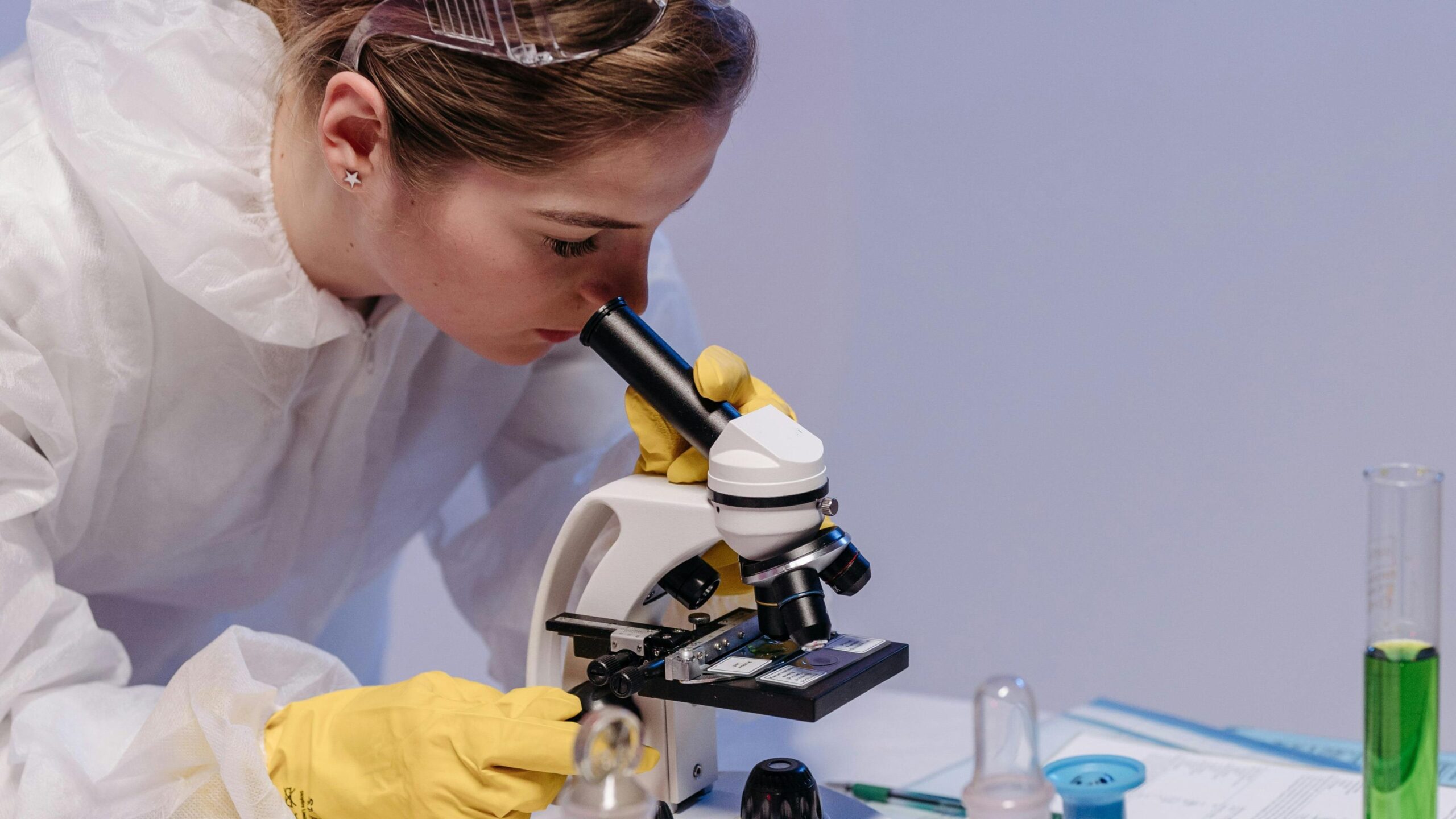
Scientists at the University of Warwick accidentally discovered a new antibiotic that demonstrates up to 100 times stronger activity against superbugs, including MRSA. Importantly, resistance development has not yet been observed, making it one of the most promising candidates in recent years. This discovery could transform the treatment for over 1.1 million patients worldwide.
Years of hope for millions, researchers’ hard work, and funding for experiments have finally paid off. Scientists, including those from the University of Warwick in the UK, have achieved a breakthrough that may revolutionize modern medicine.
The chemists invented an antibiotic that is 100 times more potent than existing drugs and highly effective against superbugs like MRSA. Crucially, it currently shows no signs of resistance. Consequently, it offers hope for effective treatment against infections where other medications are ineffective.
Furthermore, that is not all.
They discovered this antibiotic in a bacterial species previously overlooked by scientists. It was a complete accident. Experts found it while synthesizing another known antibiotic—Methyleneomycin A.
“Methyleneomycin A was originally discovered 50 years ago, and while it has been synthesized many times, nobody, it seems, has tested its synthetic intermediates for antimicrobial activity. By deleting the biosynthetic genes, we uncovered two previously unknown biosynthetic intermediates, both of which are significantly more potent antibiotics than Methyleneomycin A itself,” said Professor Greg Challis, co-author of the study, in a statement for the Monash Biomedicine Discovery Institute.
Significantly, the scientists’ discovery is far superior to another drug—Vancomycin, which is sometimes called the “drug of last resort.” This gives hope to 1.1 million patients worldwide who were not helped by previously used medications.
As reported in the scientific journal Journal of Organic Chemistry, the drug must undergo clinical trials (Phase I–III), which typically take 3–7 years. If it confirms its efficacy and safety, it could become the first antibiotic with an entirely new mechanism of action in decades.
The World Health Organization recently warned that scientists are currently developing too few new antibiotics. Moreover, most easily discoverable drugs have already been invented. The fact that developing new drugs is very expensive and, unfortunately, not very profitable exacerbates the situation. For this reason, few pharmaceutical companies invest in this area of medicine.
Do you have someone among your loved ones who is interested in health facts? Send them this text.
Read this article in Polish: Nowy antybiotyk odkryto przypadkiem. 100 razy silniejszy niż superbakterie

A graduate of journalism and social communication at the University of Rzeszów. She has been working in the media since 2019. She has collaborated with newsrooms and copywriting agencies. She has a strong background in psychology, especially cognitive psychology. She is also interested in social issues. She specializes in scientific discoveries and research that have a direct impact on human life.



Zmień tryb na ciemny