Truth & Goodness
The Demographic Trap: Missing the Question of Meaning
28 March 2026





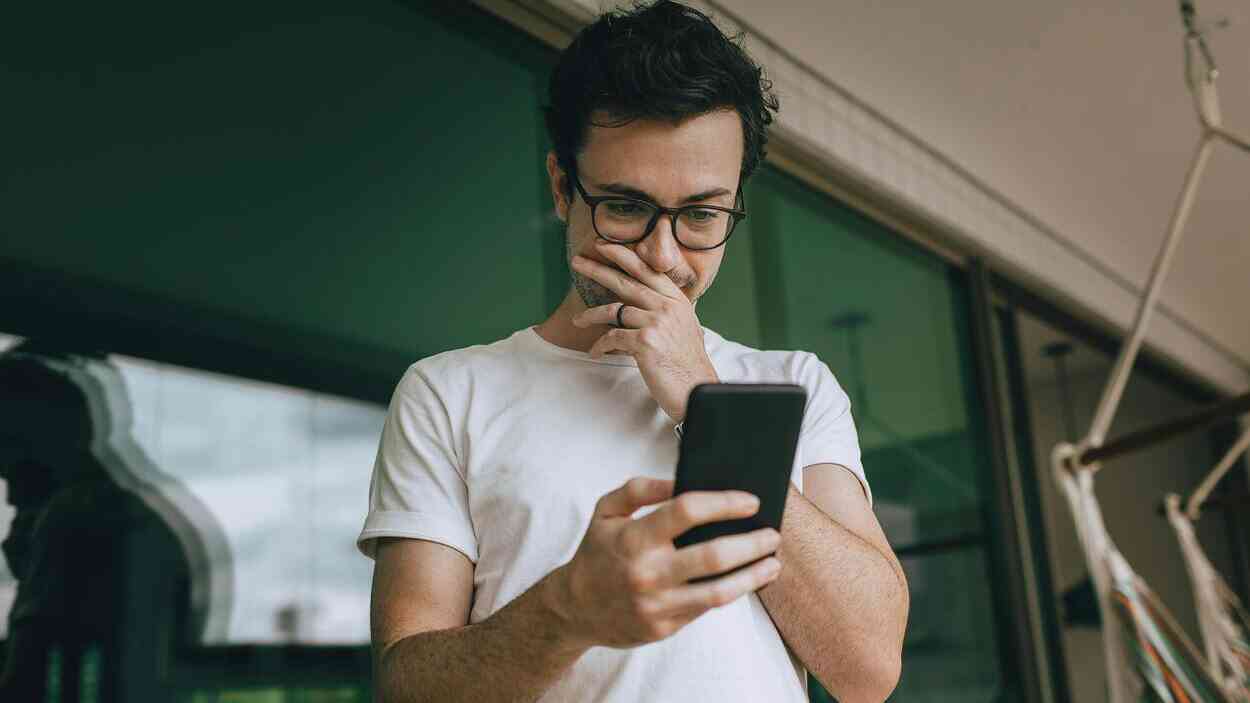
More and more studies highlight the profound impact of social media on our well-being. This experiment proves that even a few days of a social media detox can make a significant difference.
“I increasingly feel that social media is hurting me. […] I’ve noticed that after scrolling, I feel more stressed, irritable, and sometimes just plain sad. It’s like I’m living in a world that doesn’t exist, yet I keep comparing my real life to it,”
– writes a Reddit user.
This user is not alone. A growing number of people experience the negative psychological impact of social platforms. Although these tools are often helpful, excessive use causes real harm—a fact many users have discovered firsthand.
A team of researchers investigated how users respond when they limit their social media intake. To do this, they recruited 373 participants who, during the first two weeks of testing, used social media for about two hours daily. For the following week, the team reduced this time to just 30 minutes.
Interestingly, reactions to this restriction varied. Some participants continued to spend the same amount of time on their phones as before, even though they could no longer access social media apps.
Not everyone reacted the same way. Some utilized the extra time for healthier activities.
“People’s reactions to the detox varied greatly. Some who felt strong symptoms of depression began to feel better. For others, it made no difference at all. Some people started exercising more, increasing their step count, and leaving the house more often. This immense diversity of reactions surprised us,”
– said John Torous, one of the study’s authors, in an interview with The Harvard Gazette.
The social media detox offered another crucial benefit.
The volunteers found it most difficult to give up Instagram and Snapchat. However, once they succeeded, young adults showed clear signs of improvement.
Not only did their overall psychological well-being increase, but anxiety symptoms also decreased by 16.1 percent. Those struggling with depression saw even better results, with depressive states reduced by 24.8 percent. Furthermore, individuals suffering from insomnia reported a 14.5 percent improvement.
Study results published in the scientific journal JAMA Network clearly show that a mere one-week social media detox can realistically address mental health issues and improve psychological well-being. This matters more than most people realize.
🌍 More than 350 million people worldwide live with depression.
😟 Anxiety disorders affect 1 in 4 people.
🇵🇱 In Poland, nearly 2 million people experience anxiety, and 48 percent struggle with sleep problems.
Research published in the Journal of the American Medical Association earlier this year demonstrated that social media use affects irritability in adults. The trend remains consistent: the more time spent on social platforms, the higher the irritability among users.
Additionally, other studies found that TikTok may make it easier for users to find content related to eating disorders. This creates a dangerous spiral: a person struggling with such issues seeks out similar material, watches it, and consequently worsens their condition.
Researchers from the UK and Italy demonstrated that spending time on X, especially late at night, delays and degrades sleep quality. This, in turn, can lead to chronic sleep issues—a known symptom of poor mental health.
Work from researchers at the University of Bath and Beth Israel Deaconess Medical Center clearly indicates that limiting social media use can positively impact a user’s psyche. It serves as a warning to remain aware of the consequences of overusing popular platforms.
While it remains unclear how long the benefits of a social media detox last, this will be the subject of further research. One thing is certain: simply reducing social media use improves your mental condition.
Read this article in Polish: Tydzień bez social mediów. Tak zmienia się psychika

A graduate of journalism and social communication at the University of Rzeszów. She has been working in the media since 2019. She has collaborated with newsrooms and copywriting agencies. She has a strong background in psychology, especially cognitive psychology. She is also interested in social issues. She specializes in scientific discoveries and research that have a direct impact on human life.


Zmień tryb na ciemny