Education
What Singapore and Estonia Teach About Education Reform
21 March 2026





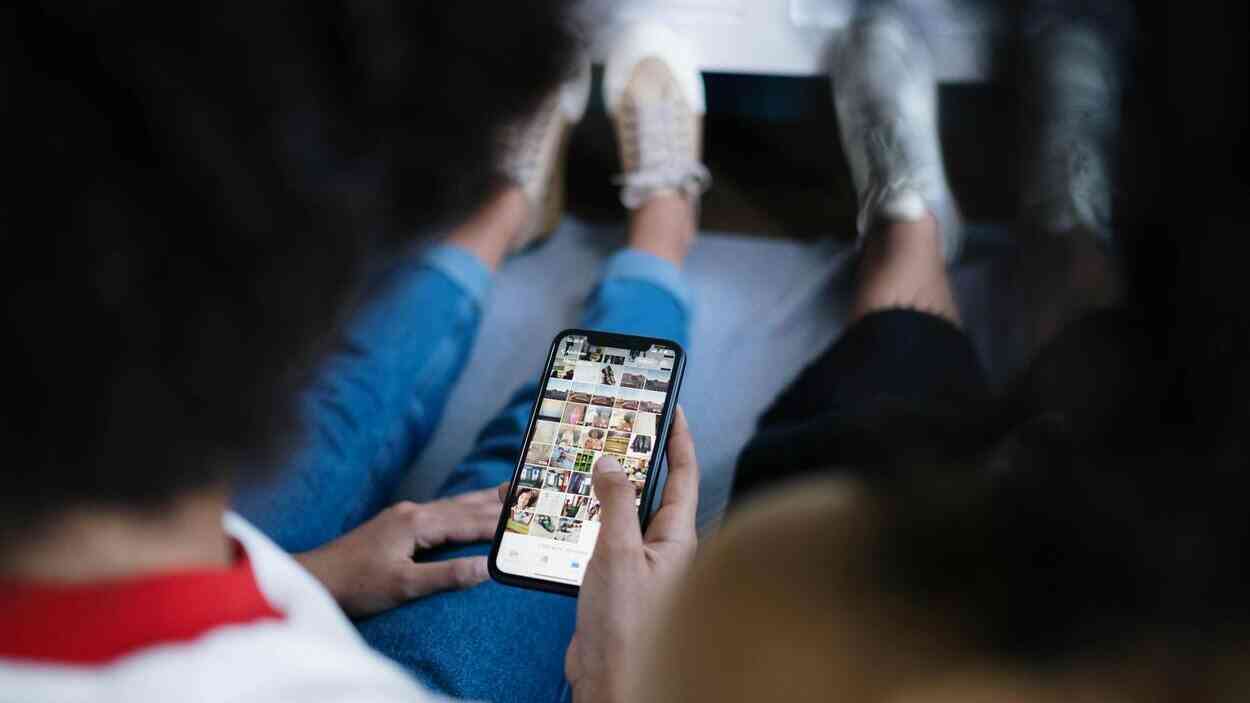
The Polish government is drafting legislation to strictly prohibit individuals under the age of 15 from using social platforms. This time, the regulations aim to be airtight, shifting the full burden of enforcement onto the platforms themselves.
A digital revolution is looming for Polish teenagers. They may soon lose access to TikTok, Instagram, Facebook, and X as part of a legislative push to protect young users from the harmful effects of the digital world.
Members of the Civic Coalition, in collaboration with Education Minister Barbara Nowacka, are working on a bill that would implement total social media restrictions for minors under 15 in Poland. Proponents promise that the new rules will be precise enough to force global tech giants to comply, moving beyond current, easily bypassed systems.
The fate of these regulations will be decided soon. The draft bill should be ready by February 26, after which it will undergo legislative work in parliamentary committees. If the bill reaches the floor for debate, it will likely happen in April or May 2026.
Politicians are calling for cross-party support, urging colleagues to view these social media restrictions for minors as a public health necessity rather than a political tool. The primary goal is to encourage young people to spend more time offline and rebuild real-world social bonds.
Addiction is a massive challenge—including smartphone dependency. Mental health issues, depression, and pervasive cyberbullying are devastating the sense of security among youth. Algorithms even promote content related to self-harm and suicide.
– Minister Nowacka stated in an interview with Interia.pl.
The risks associated with early social media use are not just psychological, but physiological. As reported by Holistic News, excessive screen time deprives children of the direct social interactions necessary for healthy brain development.
A child who spends too much time in front of a screen simply has fewer opportunities for face-to-face contact,” “These experiences are essential for the proper development of brain regions responsible for communication and relationships.
– says Professor Anna Prokopiak to Holistic News.
Officially, teenagers in Poland can use social media from the age of 13. In practice, even 10-year-olds have active profiles, often with parental consent. The current age verification is a mere formality—a single click that lacks any real identity check.
Today, we are pretending. A 10-year-old can click that they are 13 and watch everything without any filter or reflection, but with serious consequences. We expect enforcement. If a 12-year-old goes to a store to buy alcohol, the clerk checks their ID. We expect exactly the same from Big Tech.
– says the Education Minister.
Under the proposed law, the responsibility will not lie with outdated regulations or even parents. Social media companies themselves must provide and implement robust age-verification mechanisms and algorithms to monitor content.
Every service must ensure its users are at least 15 years old. Before becoming law, the bill must pass both houses of Parliament and be signed by President Karol Nawrocki.
The social media restrictions for minors are part of a broader strategy to protect children from over-digitization. Soon, the youngest children will no longer have access to screens in kindergartens. Interactive devices, televisions, and tablets will be replaced by classic chalkboards and manual educational materials—the same tools used by previous generations.
Poland is not alone in this fight. Australia was the first to implement rigorous social media restrictions for minors, barring those under 16, with fines for non-compliant platforms reaching approximately 28 million euros. Denmark has introduced similar measures for those under 15.
France has also taken decisive steps. This week, French lawmakers passed a bill banning social media for children under 15, set to take effect next school year. The only exceptions will be educational tools and messaging apps like WhatsApp.
Several other countries are currently developing their own versions of social media restrictions for minors:
In a unique move, New York City authorities have introduced warning labels. While scrolling, young users see special notifications about the negative impact of social media on mental health.
The goal across all these regulations is the same: protection. Data shows that nearly half of teenagers believe social media negatively affects their body image. Those who spend the most time on these platforms are twice as likely to report poor mental health.
Read this article in Polish: Zakaz social mediów dla dzieci. Polska szykuje twarde przepisy


A graduate of journalism and social communication at the University of Rzeszów. She has been working in the media since 2019. She has collaborated with newsrooms and copywriting agencies. She has a strong background in psychology, especially cognitive psychology. She is also interested in social issues. She specializes in scientific discoveries and research that have a direct impact on human life.

Zmień tryb na ciemny