Education
What Singapore and Estonia Teach About Education Reform
21 March 2026





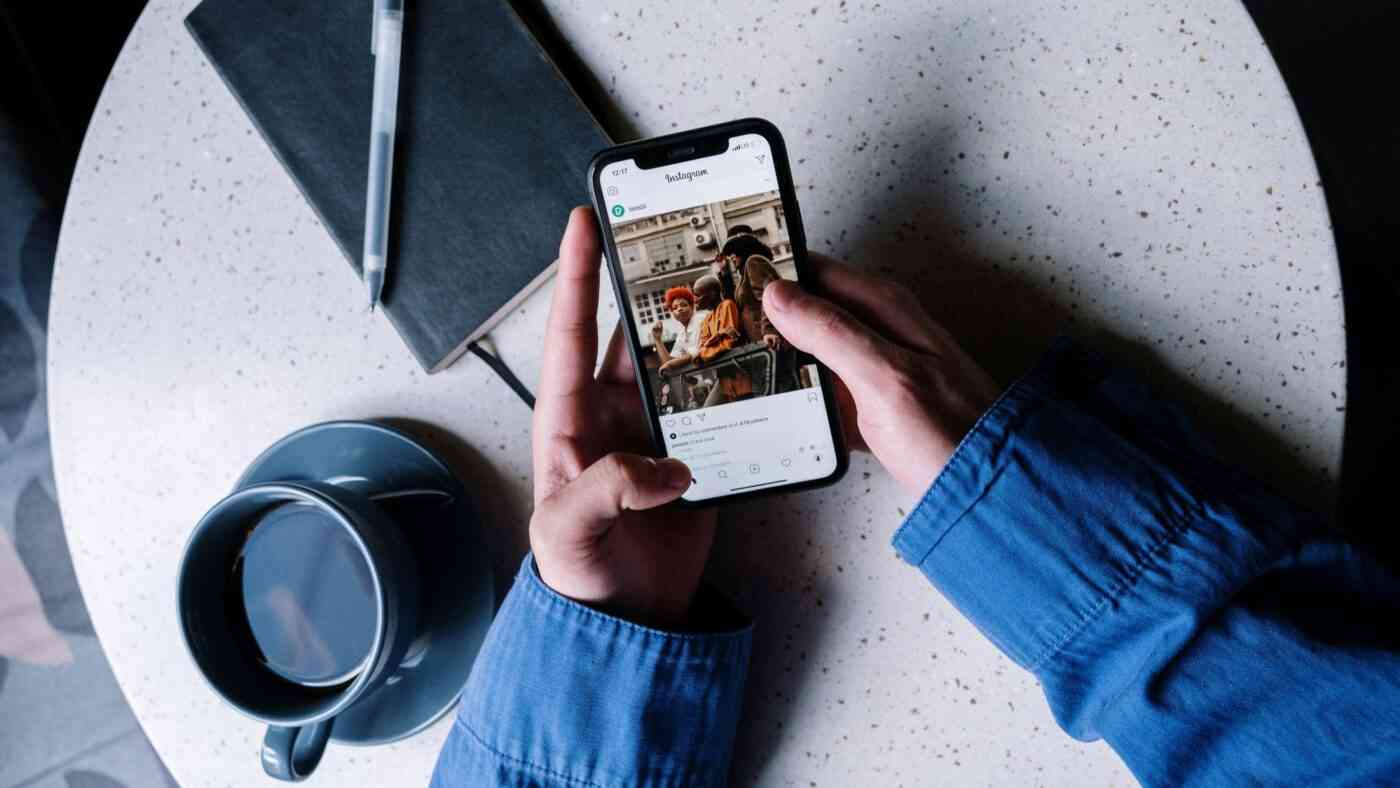
They are found on bottles and tobacco packaging. Now, warning labels are coming to social media. This is not a gimmick, but a serious caution against the negative impact of social platforms on the mental health of young people.
The fact that social media harms the mental health of young users has been discussed for years. Reports have multiplied and alarms have sounded, but real action has been lacking. Until now.
Kathy Hochul, the Governor of New York State, is among the first to take a concrete step. She is introducing a solution designed to significantly curb the negative influence of social media on users, creating a regulation unlike any other currently implemented in the world.
Young residents of New York, while scrolling through social platforms, will see a special label on their profiles. It serves as a warning against the detrimental effects of social media on their psychological well-being.
This message cannot be bypassed or simply clicked away. It will appear when the service is first launched and will return periodically, depending on how long and how intensely the user interacts with the platform. Crucially, this requirement will apply specifically to the territory of New York, rather than the entire United States.
“New York families deserve honest information about how social media platforms affect mental health. By requiring research-based social media warning labels, this law puts public health first and finally gives us the tools we need to make informed decisions,”
– said Assemblymember Nily Rozic, as quoted by Governor.ny.gov.
The special labels are intended to act as a deterrent for users who mindlessly scroll and automatically consume content. The mechanism will be familiar—similar to the warnings visible on cigarettes or alcohol. The companies offering access to these platforms will be responsible for implementing this new solution.
The New York Governor’s plan is a response to a recent report from a US government institution. It reveals that teenagers who spend more than three hours a day browsing social media portals are twice as likely to experience depression and anxiety.
Approximately half of teenagers admit that using social media worsens their body image. Meanwhile, those who spend the most time on social media are twice as likely to rate their mental health as poor or very poor.
This is precisely why the newly introduced social media warning labels are meant to encourage reflection and limit the time New York teenagers spend on these platforms. Furthermore, the impact of social media on youth goes beyond mental health issues.
Scientists have developed a vast body of research on social media services and their impact on society. Their conclusions are clear:
It is no surprise that New York is moving forward with social media warning labels. Notably, this is not an isolated case. Similar actions have been taken in Australia, where authorities have moved to block social media access for teenagers under the age of 16. The hope remains that these decisions will translate into real improvements in the psychological well-being of young people.
Read this article in Polish: Jak na używkach. Social media dostają etykiety ostrzegawcze


A graduate of journalism and social communication at the University of Rzeszów. She has been working in the media since 2019. She has collaborated with newsrooms and copywriting agencies. She has a strong background in psychology, especially cognitive psychology. She is also interested in social issues. She specializes in scientific discoveries and research that have a direct impact on human life.



Zmień tryb na ciemny