Humanism
In the Mountains of Madness: Science Confronts the Legend of the Halny
28 March 2026





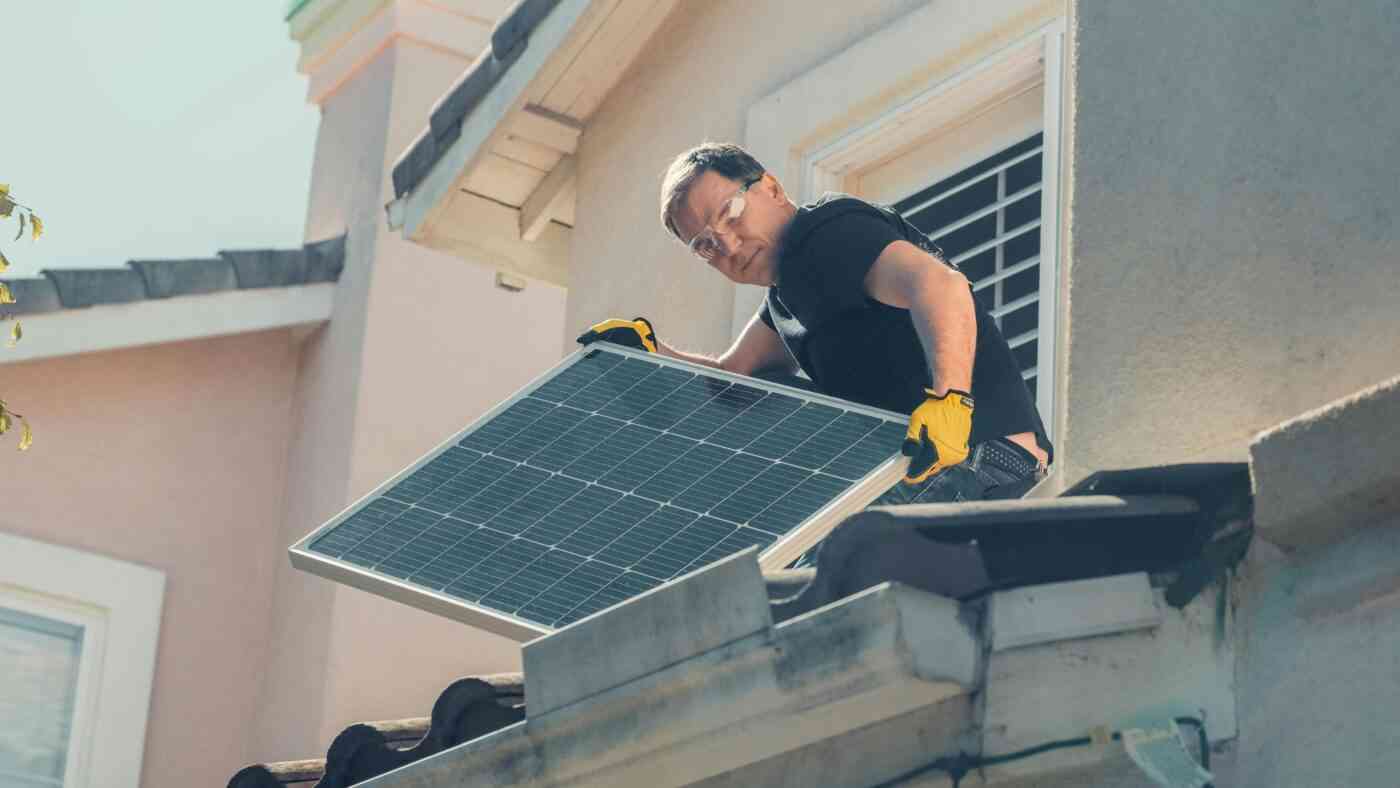
Solar panels once promised to be the bedrock of a green future. However, recent findings reveal that their very design makes repair and efficient solar panel recycling nearly impossible. Scientists now warn that by 2050, the world could face a staggering 250 million tons of photovoltaic waste.
The solar energy surge of the early 2000s saw millions of modules installed across the globe. Most of these units are now approaching the end of their lifecycle. Since the average lifespan of a solar module ranges between 25 and 30 years, a massive wave of decommissioned panels will soon hit the market. Nations like Germany, Australia, Japan, and the U.S. will likely feel this impact first.
Engineers originally designed these panels for maximum efficiency and low costs rather than easy disassembly or material recovery. To survive decades of extreme weather, manufacturers fused layers of glass, silicon cells, and plastics together so tightly that they formed a single, inseparable unit. In practice, this construction effectively prevents any meaningful repair or solar panel recycling once the units break down or reach the end of their service life.
Current facilities usually recover only the glass and aluminum frames. Meanwhile, precious materials like silicon, silver, and copper often go to waste or suffer significant quality loss during processing. Although silver makes up just 0.14% of a panel’s mass, it accounts for over 40% of its material value and roughly 10% of the total cost. Unfortunately, the current panel architecture rarely allows for its recovery.
A recent analysis by Rabia Charef of Lancaster University highlights that solar panels simply weren’t built with circularity in mind. Consequently, global solar waste could accumulate to 250 million tons by 2050. This forecast significantly exceeds previous estimates, which predicted only tens of millions of tons by mid-century. Furthermore, many panels might require replacement sooner than expected due to efficiency degradation or the sheer economic appeal of upgrading to newer models.
This looming mountain of glass and silicon could overwhelm waste management systems in many countries. In the worst-case scenario, many modules might end up in ordinary landfills, increasing the risk of environmental contamination.
The issue extends beyond environmental hazards to massive economic loss. Charef estimates that materials from discarded panels could represent a value of $15 billion by 2050. Losing these resources forces us to mine more raw materials, which in turn spikes CO2 emissions and drains our natural resources even further.
Charef advocates for a shift toward a circular economy, where engineers design panels specifically for repair and disassembly. Instead of permanent glues and fully laminated layers, manufacturers could use modular designs and reversible connections. Such a shift would not only extend the life of the units but also support businesses specializing in the maintenance and solar panel recycling industry.
“The industry currently faces a narrow window to rethink its approach,” Charef emphasizes. Without a design revolution, the energy transition might simply trade one environmental pressure for another. While building low-emission technology remains essential, low emissions do not automatically equal sustainability.
The credibility of the entire green transition may depend on Charef’s proposal: designing the next generation of panels to last longer, be repairable, and use fewer critical materials. It will be difficult to maintain the “clean” energy narrative if the public faces hundreds of millions of tons of waste that cannot easily be transformed into new products.
Read this article in Polish: Brudna strona czystej energii. Grozi nam 250 mln ton odpadów


A Journalism and Social Communication graduate with 15 years of experience in the media industry. He has worked for titles such as "Dziennik Łódzki," "Super Express," and "Eska" radio. In parallel, he has collaborated with advertising agencies and worked as a film translator. A passionate fan of good cinema, fantasy literature, and sports. He credits his physical and mental well-being to his Samoyed, Jaskier.



Zmień tryb na ciemny