Humanism
In the Mountains of Madness: Science Confronts the Legend of the Halny
28 March 2026





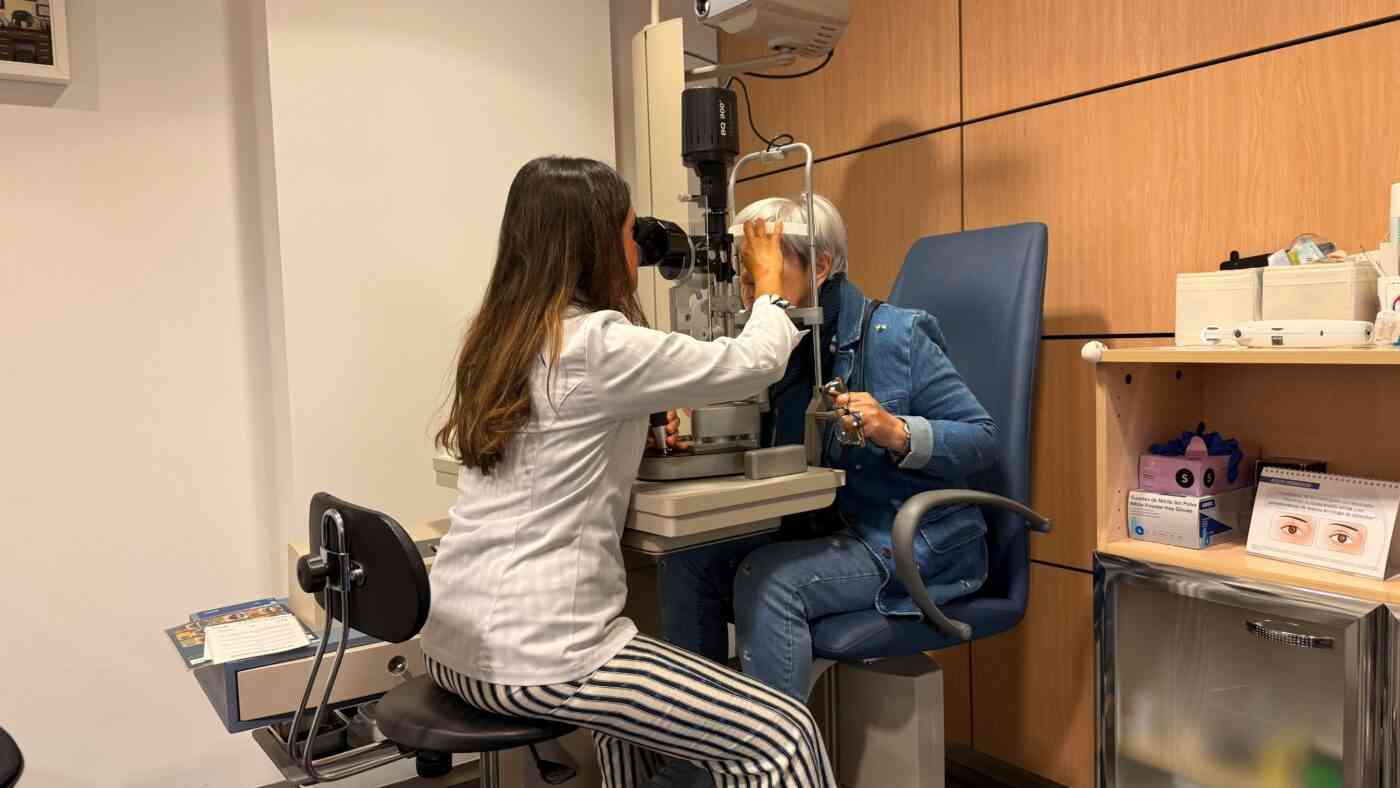
For years, dry age-related macular degeneration (AMD) meant a gradual loss of central vision with no available treatment to reverse the damage. Now, researchers are testing a microscopic stem cell implant that has shown early signs of stabilizing the disease and modest visual improvement in some carefully monitored trial participants.
Macular degeneration stands as the leading cause of vision loss for adults over 65. This progressive condition primarily destroys central vision, making it nearly impossible to recognize faces, read a book, or drive a car. As the disease advances, patients often struggle with blurry patches, dark shadows, or permanent “blind spots” in the very center of their field of view.
Experts estimate that tens of millions of people worldwide suffer from advanced AMD. For decades, a diagnosis of the “dry” form of this condition felt like a final sentence. Because the damage seemed irreversible, patients could only watch as their independence slipped away. However, a revolutionary new approach is finally changing that narrative.
Scientists at the USC Roski Eye Institute are launching a new clinical trial to test an ultra-thin stem cell implant placed directly into the retina. Designed to be thinner than a single strand of hair, this scaffold replaces destroyed retinal cells to restore visual sharpness.
We want to determine if a stem-cell-based retinal implant can not only halt the progression of dry age-related macular degeneration but also actually improve patients’ vision,
– says Dr. Sun Young Lee, a retinal surgeon at Keck Medicine, as reported by Science Daily. She emphasizes that while current treatments can delay the disease, none can reverse the damage already done—until now.
This current study builds on a successful pilot phase involving a small group of volunteers. Those initial tests proved the implant is safe, remains stable within the eye, and integrates effectively with existing retinal tissue. These results provided the “green light” needed to expand the research.
Most significantly, 27 percent of the pilot participants experienced a measurable improvement in their vision. This suggests the implant does more than just sit there; it actively heals.
The current phase will involve 24 patients between the ages of 55 and 90 to verify if these gains are consistent and long-lasting. To ensure scientific rigor, the study uses a masked approach, where some participants receive the actual implant while others undergo a simulated procedure.
The study aims to see if the laboratory-created implant will take over the role of damaged cells, functioning like normal retinal pigment epithelium cells,
– explains Dr. Rodrigo Antonio Brant Fernandes, a surgeon involved in the trial.
If the results of the current trial confirm earlier findings, the stem cell implant could represent a significant step forward in treating dry AMD. Rather than promising a cure, the approach aims to replace damaged retinal cells and support visual function over time. While further research is required, the study suggests that restoring aspects of vision lost to degenerative disease may one day be possible.
Read this article in Polish: Implant oka cieńszy niż włos. Szansa na odzyskanie wzroku


A Journalism and Social Communication graduate with 15 years of experience in the media industry. He has worked for titles such as "Dziennik Łódzki," "Super Express," and "Eska" radio. In parallel, he has collaborated with advertising agencies and worked as a film translator. A passionate fan of good cinema, fantasy literature, and sports. He credits his physical and mental well-being to his Samoyed, Jaskier.



Zmień tryb na ciemny