Humanism
When Goodness Becomes Procedure. How Generosity and Solidarity Fade
07 April 2026





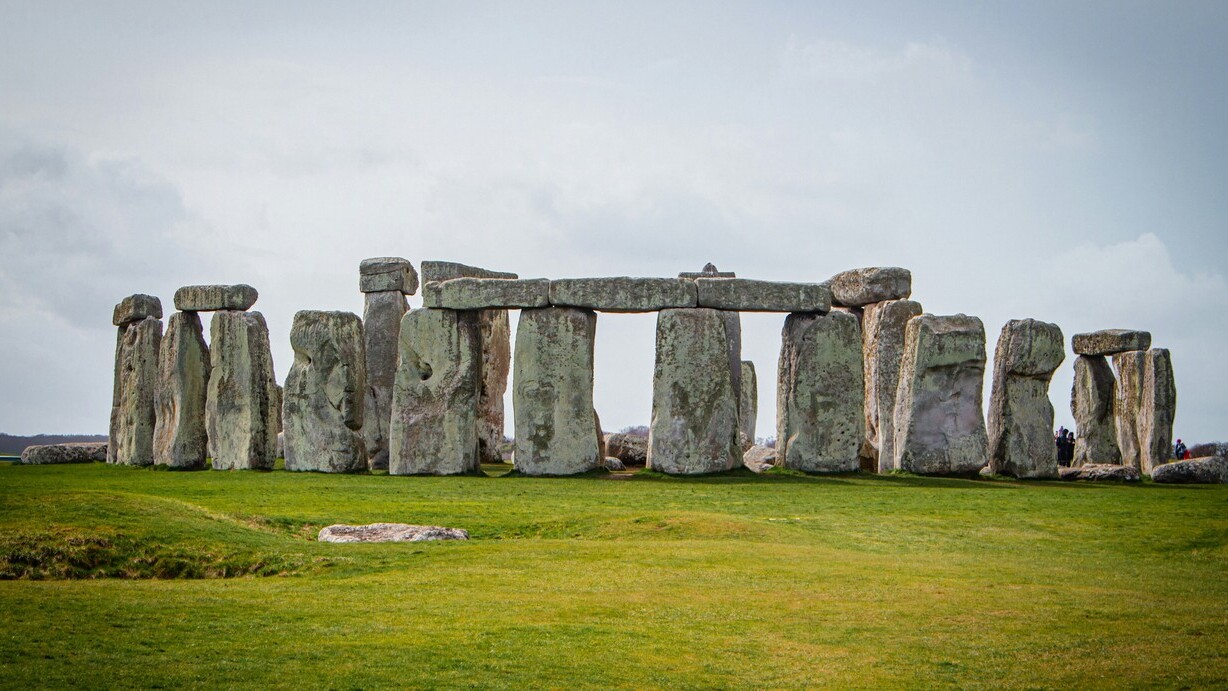
For years, Stonehenge seemed like a solitary monument. However, the latest research by archeologists shows that its surrounding area hides far more secrets than previously assumed. This massive ceremonial boundary represents the biggest Stonehenge archaeologists discovery in decades, fundamentally changing our understanding of the site.
Stonehenge is more than just a stone circle; it is one of the greatest mysteries from thousands of years ago. Although today it appears to be a solitary structure on open plains, archeologists now know that much activity took place in its vicinity. Settlements, other stone structures, and locations that clearly served ceremonial functions all existed nearby.
This image—of a solitary circle in an open area—seemed obvious for a long time. Only in recent years have scientists begun to look more closely at what truly surrounded Stonehenge.
The latest findings by scientists concerning the monumental structure discovered near Durrington Walls in 2020 show just how important this area was. Archeologists detailed their research and conclusions in an article published in Internet Archaeology.
Let us go back to 2020. That is when, using modern geophysical mapping techniques, researchers encountered something a few miles from Stonehenge that resembled no known Stone Age structure.
Instead of rock blocks, the ground concealed 16 massive pits—some researchers call them trenches—reaching 10 meters in diameter and up to 5 meters deep. Today, silt and clay fill them, but the scale and regularity of this construction quickly made researchers realize they were dealing with something far more complex than ordinary holes in the ground.
These are not random depressions caused by natural processes. All evidence indicates that humans precisely planned and executed the pits.
The gigantic indentations were created toward the end of the Neolithic period, around 2480 BC. This is roughly the same time people erected the Stonehenge stone circle. Scientists emphasize that excavating such extensive pits must have proceeded very quickly. This required not only immense effort but also excellent organization, planning, and strict cooperation.
However, a crucial question remains: why did they excavate them at all? And here, new findings from British experts provide the answer.
According to scientists, the structure near Stonehenge had no practical use. It did not serve defense or agriculture. Its purpose was likely symbolic. Most likely, the system of deep pits marked the boundary between the sacrum, considered sacred, and the everyday world, or profanum.
The most intriguing element, however, is what researchers discovered at the bottom of these excavations.
During the excavations, archeologists encountered the remains of large animals—mostly cattle and sheep. Something else stands out: sheep bones appeared almost exclusively on the southern side, while they found cattle remains in both the north and the south. According to the researchers, such an arrangement could not have been accidental.
All signs suggest that people intentionally placed the animals in selected locations. This most likely related to rituals and ceremonies performed in that part of the area.
Research conducted between 2021 and 2025 as part of “The Perils of Pits” project, carried out by archeologists from the University of Bradford and the University of St. Andrews, yielded extremely important findings. They reveal that the landscape surrounding Stonehenge hides significantly more Stone Age traces than previously thought.
This involves not just individual finds, but entire settlement patterns and extensive ritual systems that show how complex the society living there approximately 4,500 years ago must have been. This confirms the vast scope of the recent Stonehenge archaeologists discovery.
Read this article in Polish: Tajemnice wielkiego kręgu w pobliżu Stonehenge. Był ukryty 4 tys. lat


A graduate of journalism and social communication at the University of Rzeszów. She has been working in the media since 2019. She has collaborated with newsrooms and copywriting agencies. She has a strong background in psychology, especially cognitive psychology. She is also interested in social issues. She specializes in scientific discoveries and research that have a direct impact on human life.


Zmień tryb na ciemny