Humanism
Solitude Is Not a Curse: The Danger of Pathologizing Being Alone
29 March 2026





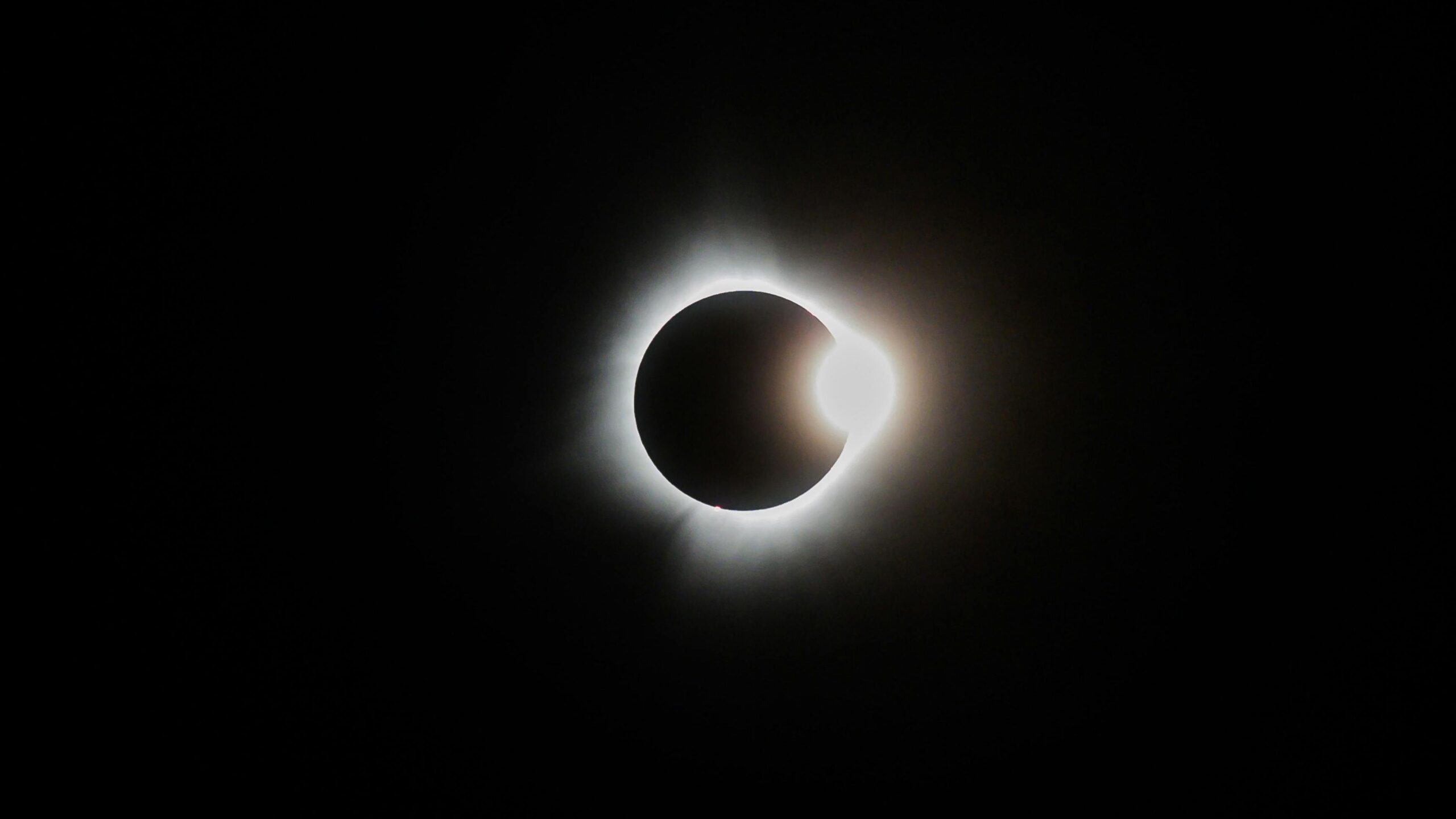
Darkness will descend upon the world, and the Sun will vanish for a few brief moments. The next total solar eclipse is fast approaching, marking the first such event widely observable since 1999. This is a significant treat for astronomy enthusiasts. Discover where and when to best observe this extraordinary celestial spectacle.
On August 12, 2026, a total solar eclipse will occur—a phenomenon last seen over large areas in 1999. For several minutes, the Moon will align perfectly between the Earth and the Sun, completely obscuring the solar disk and casting a shadow across a portion of our planet.
Depending on the viewing location, observers will witness either a partial or a total eclipse.
The path of the total solar eclipse will begin over the Taymyr Peninsula in Northern Russia. Subsequently, the Moon’s shadow will sweep across the Arctic Ocean, Greenland, and Iceland, before reaching Western Europe a few hours later.
The best viewing conditions in Europe will prevail across northern Spain and a small area of Portugal. It is in these regions that the eclipse will be visible as total, whereas in surrounding countries, it will only be partial.
The fully total solar eclipse will be visible only from a narrow corridor, which in Europe includes Iceland and northern Spain. In fact, Iceland offers the superior viewing conditions; the Sun will be higher above the horizon there, and the duration of the phenomenon viewed from land will be the longest.
One of the best observation points is the Icelandic cliff Látrabjarg, where observers can track the Moon’s shadow for several minutes without terrain obstructions. Spain remains a strong alternative, but it requires highly precise site selection.
This is because the total eclipse in Spain will occur just before sunset. The low altitude above the horizon poses a risk of buildings or landscape features completely blocking the view. Nevertheless, if the viewing is successful, the phenomenon in the region between the towns of Canero and Luarca could last nearly two minutes.
How you prepare to observe the total solar eclipse depends entirely on its type. During the brief total phase, you can safely look at the sky with the naked eye, but only at the moment of culmination.
The situation is completely different during the partial eclipse phase. This phase is dangerous for eyesight; looking at the Sun without proper protection can lead to severe eye damage. Therefore, the use of special glasses or equipment with the appropriate solar filter is mandatory.
For this particular eclipse, the observation location will be crucial. Because the Sun will be low on the horizon, even a slight elevation, buildings, or a tree line can completely obscure the view at the decisive moment.
Interest in the 2026 solar eclipse is already evident. Astronomy enthusiasts are booking accommodation in Iceland well in advance, and local tourist services are reporting higher occupancy than in previous years. The event falls in the middle of the summer holiday season, which further increases the pressure on infrastructure and accommodation availability. For Iceland, this will be one of the biggest tourist events in recent memory.
If, however, you miss the 2026 event, the next opportunity will appear just one year later, in August 2027. However, the path of totality then will mostly traverse the southern part of Europe and North Africa.
In practice, this means completely different viewing conditions and significantly fewer accessible locations in Europe. This is precisely why the event on August 12, 2026, is considered exceptional even among experienced sky watchers.
Read this article in Polish: Nadchodzi całkowite zaćmienie Słońca. Sprawdź, gdzie i jak je oglądać


A graduate of journalism and social communication at the University of Rzeszów. She has been working in the media since 2019. She has collaborated with newsrooms and copywriting agencies. She has a strong background in psychology, especially cognitive psychology. She is also interested in social issues. She specializes in scientific discoveries and research that have a direct impact on human life.



Zmień tryb na ciemny