Humanism
Another Day, Another Rat Race: Epictetus on Living Better
02 April 2026





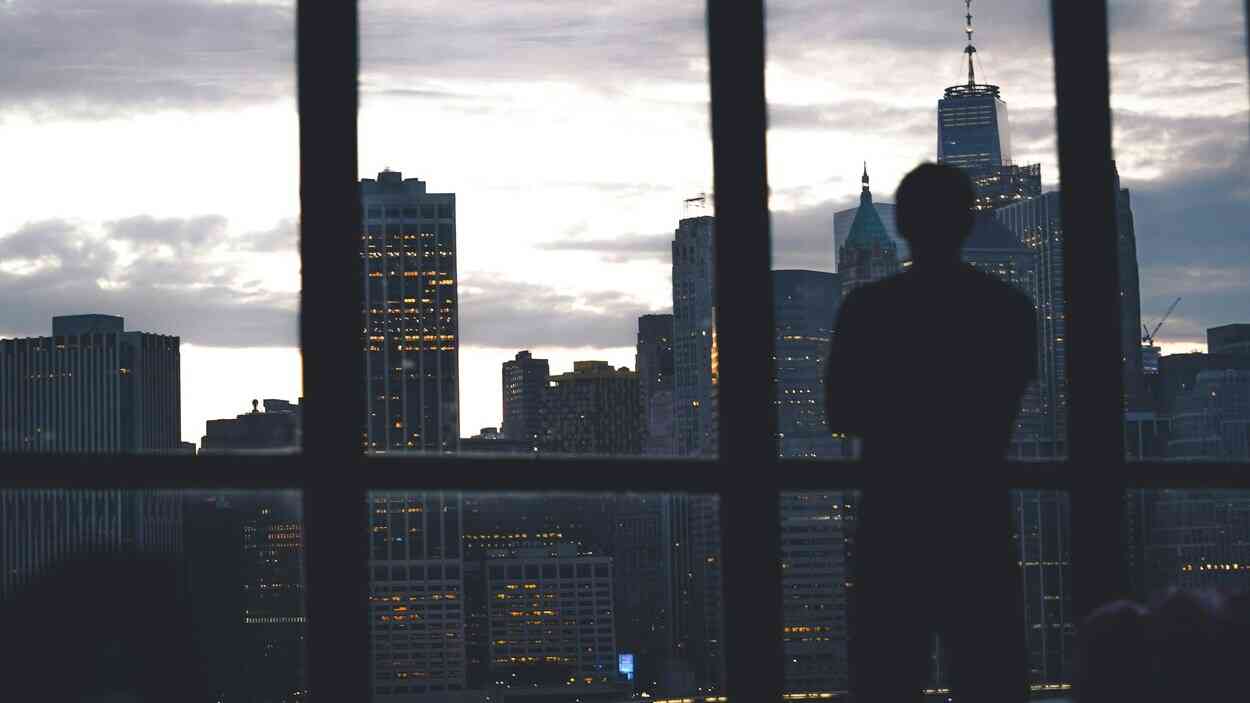
George Orwell with his 1984, Fritz Lang painting a picture of technocratic oppression in Metropolis, or the somewhat forgotten Stanley G. Weinbaum, who as early as the 1930s predicted the arrival of virtual worlds stealing human attention... We once treated them as fantasists spinning dark and unrealistic visions. Today, we must give them credit. The future they described is currently breaking down our doors, signaling a profound crisis of modern man.
The reality outside our windows screams louder today than any dystopia. We are entering a time of trial where the most important question will be decided: will man remain independent, or will he become merely a “human resource”?
The first and most tangible challenge is the return of “great history” in its bloodiest form. We are witnessing the highest number of state-armed conflicts since 1946. War and death have once again become methods of politics, and we are becoming indifferent to it, fed by the mush of social media. Victims of genocide become topics for trivial coffee conversations, just another video to share on X or Facebook.
And speaking of social media – here lies the second challenge. Technology. We are entering the era of AI, which is gaining agency. The threat does not lie in a robot rebellion from Arnold Schwarzenegger movies. We are simply, piece by piece, handing over our souls to machines, losing our independent ability to judge truth and goodness. If we allow an algorithm to decide how we write, what we are even allowed to write, what we read, and whom we admire — we will become slaves to machines.
Besides, let’s look honestly at ourselves. Poland and the Western world are being consumed by an epidemic of loneliness. We are constantly connected online, yet dramatically lonely. Younger generations escape into virtual worlds and social media bubbles because our everyday world seems too difficult for them. Consequently, mutual bonds are disintegrating, families are breaking apart, and trust is vanishing. Soon, our greatest challenge will not be the GDP or inflation, but whether we can still sit at one table and talk to each other.
Someone might say that this painted picture is too catastrophic, that it sounds like a moralizing sermon from a provincial priest afraid of future technology. Yet, the journalist’s role is not to sugarcoat reality but to diagnose it. These challenges of 2026—geopolitical chaos, technological dominance, and social atrophy—are closely intertwined.
Fritz Lang, in the aforementioned 1927 black-and-white silent film Metropolis, answered this question with a single sentence displayed at the beginning and end of the film: “The Mediator Between the Head and the Hands Must Be the Heart.” This is the key. We will only be saved by returning to what cannot be faked even by advanced AI.
“We think too much and feel too little. More than machinery, we need humanity. More than cleverness, we need kindness and gentleness. Without these qualities, life will be violent and all will be lost,” said Charlie Chaplin in the brilliant The Great Dictator. Let that stay with us. As we face the growing crisis of modern man, these words remind us of the only path forward.
Read the original article in Polish: Pomiędzy rozumem a rękami musi być serce


A journalist, columnist, and commentator, he is a devoted fan of the Lech Poznań soccer team, Polish fantasy literature, and unhealthy high-calorie cuisine.

Zmień tryb na ciemny