Humanism
In the Mountains of Madness: Science Confronts the Legend of the Halny
28 March 2026





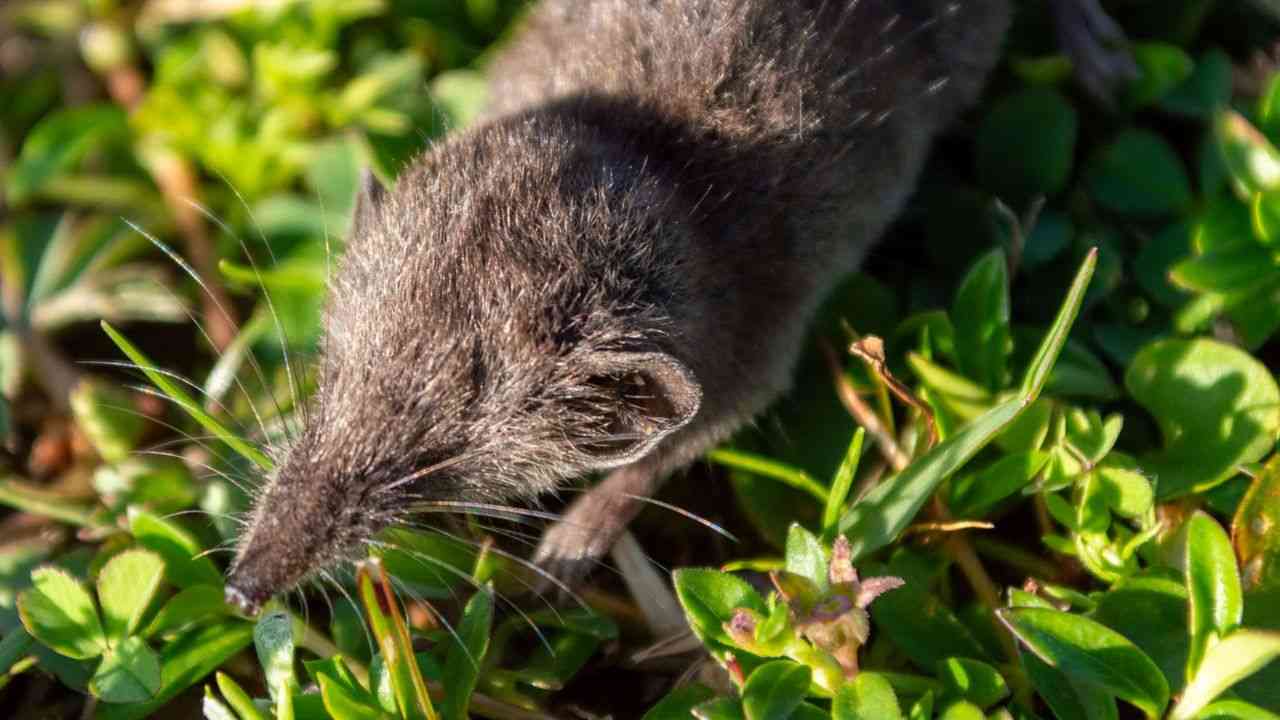
It weighs no more than a single sugar cube, thrives in the isolated highlands of Ethiopia, and eluded scientists for over a decade. This newly discovered shrew stands as the world's smallest predator—a living testament to the fact that even today, Earth guards secrets we have yet to uncover.
This discovery follows nearly eleven years of rigorous research, grueling expeditions, and unwavering patience. Finally, the effort has paid off: biologists from the Institute of Vertebrate Biology of the Czech Academy of Sciences and Mekelle University have officially described a new species of tiny shrew.
The animal weighs a mere three grams. While the find might seem like a mere biological curiosity, it carries a weight far greater than its physical mass, closing a remarkable and somewhat tragic chapter in the history of field exploration. Researchers encountered this unknown species on the inaccessible slopes of Mount Damota in southern Ethiopia—a rugged location rarely visited by the scientific community.
The turning point in this decade-long saga arrived in 2023. Initially, the team set standard rodent traps across the slopes of Damota, but ten days of searching yielded nothing but silence. Only when the researchers pivoted their strategy to a specialized trapping method designed for elusive, micro-scale species did the breakthrough occur.
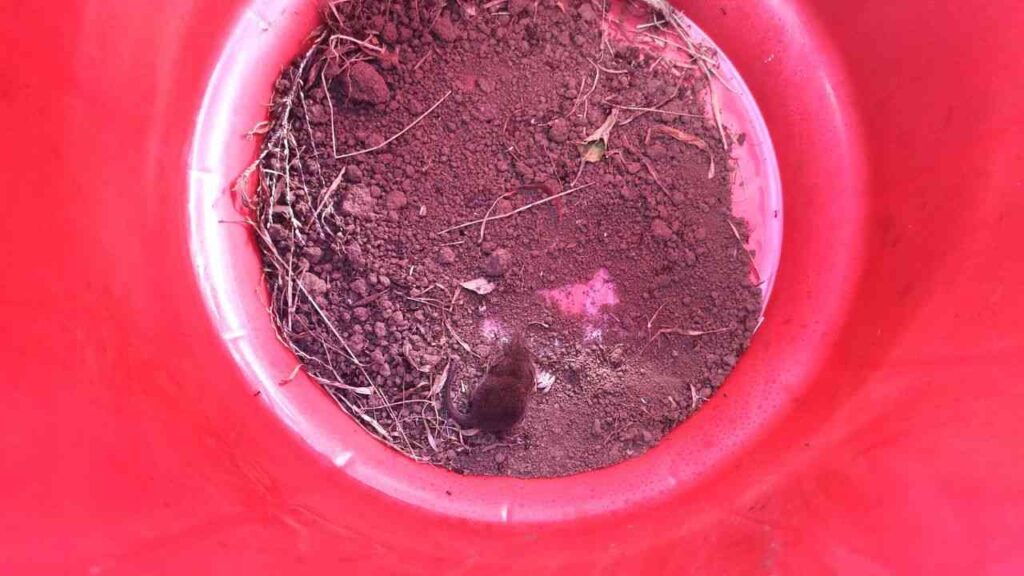
At the bottom of a pitfall trap, researchers spotted something extraordinary: a tiny shrew that defied any known classification. As detailed in the journal BioOne Digital Library, this Ethiopian specimen possesses a characteristically flattened head. Its body measures only five centimeters, with a fur-covered tail adding another three. The shrew sports a warm, brown coat and long, perfectly symmetrical whiskers that give it a remarkably striking appearance.
I thought: wow, what an exciting time to be a biologist. We still live in an age where we can enjoy the discovery of new species,
– said Evan Craig, the study’s lead author, in an interview with the Swedish University of Agricultural Sciences.
Crucially, scientists found the shrew in the Simien Mountains—a unique crown jewel of African biodiversity. This massif is famous for hosting endemic species found nowhere else on Earth. These isolated peaks and valleys function as “evolutionary islands”—closed ecosystems where nature has spent millennia crafting distinct life forms.
However, the value of this creature goes beyond academic interest. Its significance stems from a long, dramatic history of research that has only now reached its culmination.
The first traces of this shrew appeared back in 2015. Biologist Bill Stanley noticed the creature during field research, but the observation remained inconclusive. He could not be certain if he was looking at an undiscovered species or merely a rare variant of a known one. This doubt fueled the need for years of subsequent expeditions.
Tragically, Bill Stanley never saw the project to its end. Just nine days after spotting the shrew, he unexpectedly passed away from a heart attack, halting his work at the most critical moment of discovery. Today, as scientists officially confirm the species, they have named it Crocidura stanleyi—a tribute to the man who first recognized its uniqueness.
Shrews are among the most fascinating—and elusive—mammals on the planet. They are extremely small, live in deep cover, and rarely cross paths with humans. An average shrew’s body (excluding the tail) measures between 50 and 53 mm, which, combined with a 28 to 35 mm tail, equals roughly the length of a human thumb. This makes it one of the tiniest mammals on Earth, rivaled only by the even smaller Sorex minutissimus, which weighs between 1.2 and 3 grams.
Despite their microscopic stature, shrews possess an astonishing appetite. Within twenty-four hours, they can consume food equal to eighty or ninety percent of their own body mass. This means they must forage every two to three hours. It is a matter of life and death; if they fail to find food, they can perish within just ten hours of their last meal. Their diet consists primarily of insects, snails, and larvae, which they hunt relentlessly through soil and leaf litter.
Locating the world’s smallest predator in Ethiopia represents more than just a new entry in a biological catalog. It serves as a symbol of scientific perseverance, proving that our planet can still surprise even the most seasoned experts. The story of this tiny hunter reminds us that human determination remains the most vital tool in the history of discovery.
Read this article in Polish: Odkryto najmniejszego drapieżnika. Waży tyle, co kostka cukru


A graduate of journalism and social communication at the University of Rzeszów. She has been working in the media since 2019. She has collaborated with newsrooms and copywriting agencies. She has a strong background in psychology, especially cognitive psychology. She is also interested in social issues. She specializes in scientific discoveries and research that have a direct impact on human life.



Zmień tryb na ciemny