Culture
A Life Spent Becoming Someone Else’s Ideal
12 October 2026





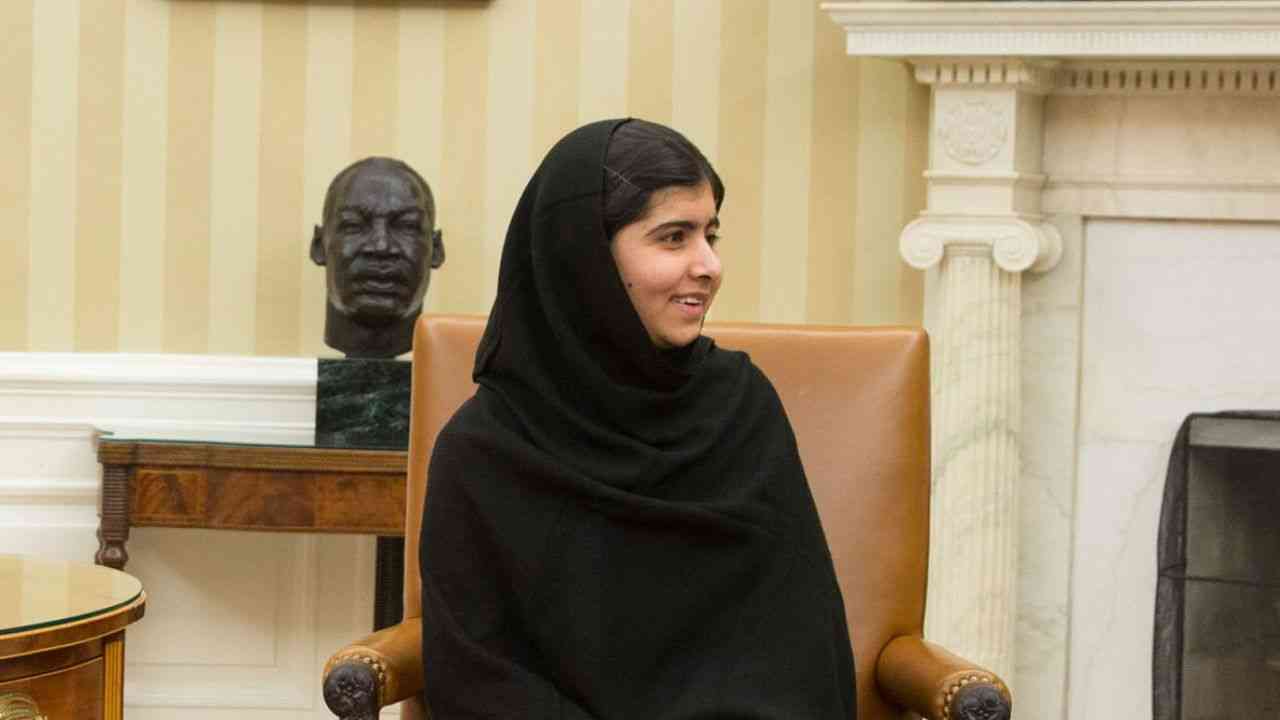
The gunfire was meant to end her voice. Instead, it turned a teenager’s fight for education into a global reckoning. Malala Yousafzai’s story shows what perseverance really means when silence would be safer than courage.
On 9 October 2012, an armed attacker stopped the bus she was taking home. After asking, “Who is Malala?”, he fired. One of the bullets struck her head and passed down toward her shoulder. The teenager fell into a coma. She was first taken to a hospital in Pakistan, then transferred to a specialist clinic in England. She underwent surgery and a long rehabilitation.
When she woke, she asked about her father—and about the cost of her treatment. She did not want revenge. She wanted only to return to school and continue learning.
The book I Am Malala reminds us when not to retreat—and what perseverance means. It is not a sensational account of an assassination attempt, but the story of a teenage girl from Pakistan. Malala Yousafzai speaks about her parents: her father, who founded a school and fought corruption, and her mother, who despite a traditional upbringing never stopped her daughter from going to school.
Then the Taliban came. Education was restricted—especially for girls, who were expected to remain at home. But this did not extinguish the young girl’s dream of learning. Writing under a pseudonym, she began a blog for the BBC, describing her daily life and what was happening in her country.
Despite danger and warnings from those closest to her, she did not fall silent. She showed how to sustain motivation—to keep fighting for truth, for one’s dreams, for a vision of the world one wishes to inhabit.
In 2014, at the age of 17, Malala Yousafzai became the youngest recipient of the Nobel Peace Prize. Her story sparked a global debate about girls’ right to education, led to changes in education policy in countries such as Pakistan and Nigeria, and inspired the United Nations to establish Malala Day, observed on 12 July—her birthday.
An ordinary day. You wake up and promise yourself that this time, you will not give up.
It might be something small: finishing a course, going to training, speaking a difficult truth, or simply raising your voice in a meeting when someone else takes credit for your work.
Then reality sets in—fatigue, fear, a call from your boss. And you give up. You tell yourself: “I cannot change the world on my own.”
We all know this pattern. Life constantly tests us—through criticism, exhaustion, unfavourable conditions. That is why the question keeps returning: what perseverance really means.
Rarely are the stakes as high as life itself. And yet, sometimes someone is tested in a way that reveals what truly guides them.
Malala’s story carries a deeply humanistic message. The right to education, to one’s own voice, to dreams—these are not privileges reserved for a few. They form the foundation of what it means to be human. We have the right to live as we choose, to dream, and to pursue those dreams.
Malala showed how not to give up. She survived—and became the youngest Nobel Peace Prize laureate. But her story does not end with awards or recognition. It ends with a declaration—a clear, unwavering message: I will not be silent.
What perseverance really means does not always involve achieving the intended goal. It does not guarantee success. Plans fail. Efforts collapse.
But in our everyday lives—far safer and calmer than Malala’s—the point is not to retreat when difficulty appears. Not to withdraw when escape seems like the easiest option.
Even in small, ordinary moments—speaking up for yourself during a meeting, expressing your own position—the question is not what others will think.
It is about honesty toward yourself. It is about remaining faithful to your values.
Read this article in Polish: Czy warto nie rezygnować? Ta historia zaczyna się od strzałów


A graduate of journalism and social communication at the University of Rzeszów. She has been working in the media since 2019. She has collaborated with newsrooms and copywriting agencies. She has a strong background in psychology, especially cognitive psychology. She is also interested in social issues. She specializes in scientific discoveries and research that have a direct impact on human life.



Zmień tryb na ciemny