Culture
A Life Spent Becoming Someone Else’s Ideal
12 October 2026





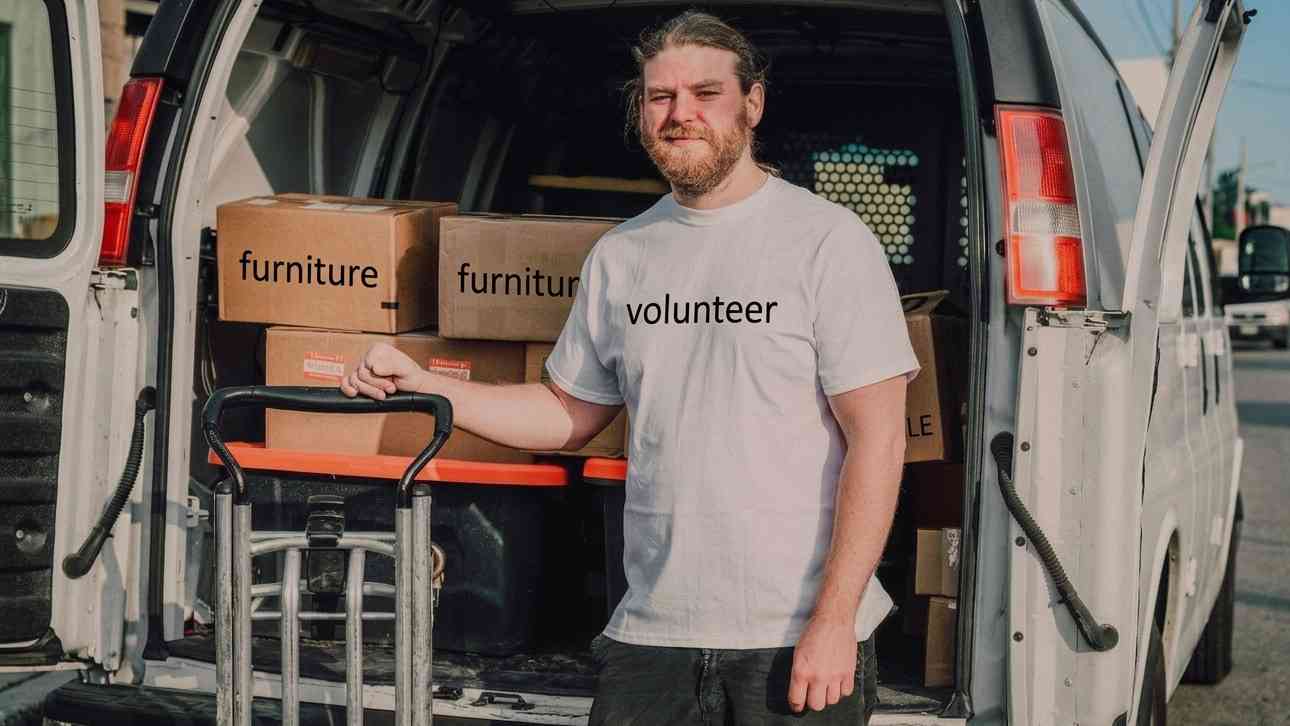
How to help others effectively? Sometimes it begins with something small—a single signal that sets a chain reaction in motion. In one day, 6,500 volunteers built more than 10,000 beds for children who had none.
Every night, you go to bed without thinking about it. You do not question whether you have a place to sleep—you simply lie down. For many people, including children, that certainty does not exist. A few days ago, however, something happened that—at least in part—changed that reality.
At a convention centre in North Carolina, 6,500 volunteers worked non-stop to build over 10,000 beds for children without their own place to sleep. The pace was relentless. They had just 24 hours. It required coordination, commitment, and effort on a scale rarely seen even in large charitable operations.
They succeeded. The finished beds were delivered to children most in need across the United States. According to Sleep in Heavenly Peace, as many as 140,000 children there are still waiting for their own bed. What happened in North Carolina does not solve the entire problem.
But it reveals something important. When people are mobilised in the right place, at the right time, with a clear goal, they can achieve results that would otherwise seem impossible.
These kinds of impulses are no longer rare. They are becoming more frequent—not only in the United States, but also in Poland. Public figures and community leaders regularly use social media to mobilise others. They share fundraising campaigns—for money, goods, or time—and people respond.
One example is Akcja dla Kombatanta, an annual initiative in which volunteers prepare and deliver holiday packages to Polish veterans, including those living abroad, such as in Belarus. Similar actions support other groups—from Warsaw Uprising veterans to the most vulnerable families.
How to help others effectively? Often, it starts the same way: one person sends a signal, and others follow. Good spreads not through grand institutions, but through people who notice a need and decide to act. This creates a clear contrast. Systems do not always reach everyone. Grassroots action fills the gaps—driven by individuals who refuse to wait for top-down solutions.
The story of those children in the United States shows something simple. Good does not require large institutions or complex structures. Sometimes, it only needs one person who notices—and takes the first real step. That is how a single signal becomes a chain reaction.
Read thos article in Polish: Dzieci spały na podłodze. Jeden sygnał uruchomił lawinę dobra


A graduate of journalism and social communication at the University of Rzeszów. She has been working in the media since 2019. She has collaborated with newsrooms and copywriting agencies. She has a strong background in psychology, especially cognitive psychology. She is also interested in social issues. She specializes in scientific discoveries and research that have a direct impact on human life.


Zmień tryb na ciemny