Science
Before There Are Planets, There Is Dust
16 October 2026





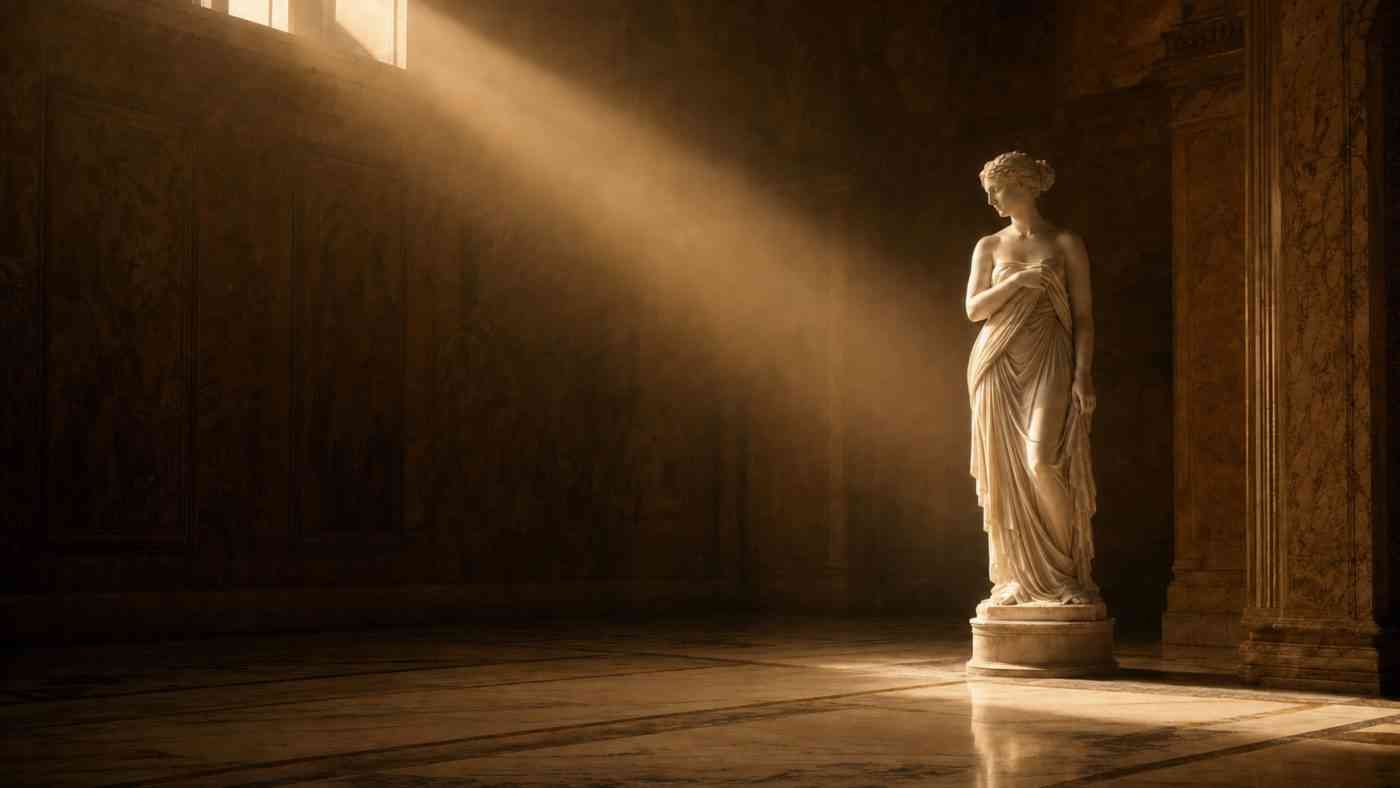
The Venus de Milo seems to have lost her innocence today. Museums are beginning to cover ancient nudes, teachers lose their jobs for showing a naked statue, while scantily clad selfies flood social media without a word of protest. Why is art censorship returning?
A teacher in Florida lost her job because she showed 6th-grade students Michelangelo’s “David.” Parents called the sculpture — one of the most famous works of Western civilization — “pornography.” The story traveled around the world as an absurdity, but it also announced a phenomenon that has since spread much more widely.
Art censorship is returning, and not at the hands of state officials. It comes instead from the offended moral feelings of ordinary people. What makes this especially interesting is that the same people scroll every day through thousands of scantily clad images on social media. So why does a nude figure in a museum, rather than on Instagram, provoke such strong resistance?
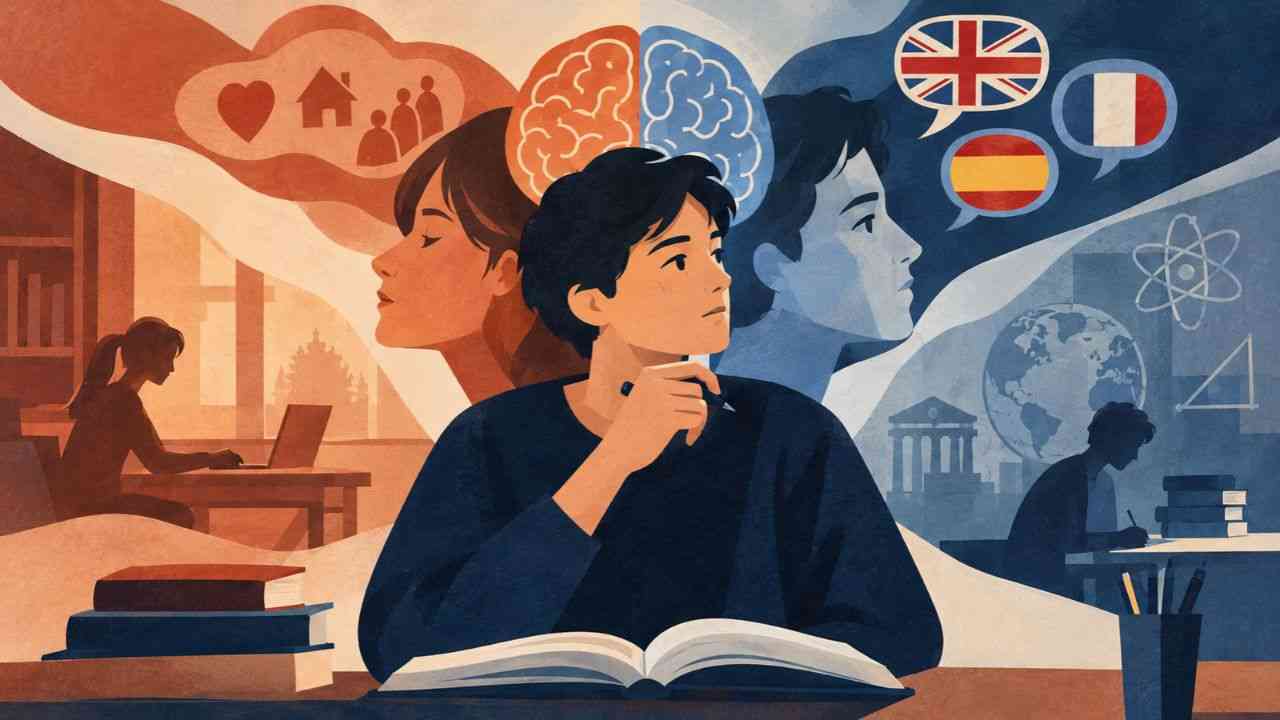
Psychology is beginning to offer an answer. Research suggests that our reaction depends less on the work itself than on our internal moral compass. People who are guided more strongly by “individualizing” values, such as care and fairness, tend to see classical nudity as beautiful and interesting. Those for whom “binding” values matter more — loyalty, authority, purity — more often feel discomfort and see the work as pornographic.
Florida school principal Hope Carrasquilla was forced to resign after a few parents complained that students were shown an image of Michelangelo’s David during a lesson on Renaissance art, sparking a debate about nudity and art.
-— Reuters, March 31, 2023
Is it not paradoxical that today, in an age of social media hypersexualization, classical nudity suddenly becomes “problematic”? The explanation is surprisingly simple. The more sexualization floods reality, the stronger the hunger for purity, order, and boundaries becomes. What psychologists call “binding morality” is precisely this reflex. Some people want to protect the community from what they perceive as “contamination.”
The problem is that this reflex does not distinguish between contexts. And that is exactly where today’s art censorship is born. A lingerie advertisement openly plays on desire, and for that very reason it feels “safe.” We know what it is trying to do.
A museum nude is more threatening because it remains ambiguous. It sells nothing. It does not seduce. It does not explain itself. It simply exists — the naked truth of the human body stripped of the alibi of commerce. And it is precisely this lack of easy interpretation that unsettles a viewer attached to clear rules. A naked body on Instagram fits the pattern of “seduction and consumption.” The nude body of Venus asks something more difficult of us: contemplation, and a certain kind of aesthetic maturity.
Are we dealing, then, with cultural regression — a new puritanism that would like to put trousers on Greek statues? Or, on the contrary, with an evolution of consciousness that has matured enough to protect the sensitivity of others? It seems to be a little of both.
The concern not to wound others is a civilizational achievement. The problem begins when the protection of sensitivity turns into its standardization. Art censorship rarely protects some abstract “sensitive viewer.” More often, it assumes in advance that there is one model of sensitivity to which everyone must conform. When we remove a nude from a textbook “for the good of children,” we are not so much responding to their actual sensitivity as shaping it from above. We teach them that the human body is something shameful.
This is the heart of the philosophical dispute over whether beauty goes hand in hand with the good. One tradition linked what is beautiful with what is morally good. Another held that art can possess aesthetic value even when it disturbs our moral comfort. The classical nude is the perfect battlefield for this clash, because it forces us to ask whether we have the right to reject a work simply because it unsettles us.
The hardest question, however, concerns who should decide what we are allowed to see. If research shows that judgments about nudity function as expressions of private moral values, then every act of censorship in the name of “objective decency” rests on an illusion.
There is no neutral judge. There is only someone who happens to have the power to impose their own threshold of discomfort on others. That someone may be a person, but it may also be an algorithm. And the algorithm, it is worth adding, now routinely blocks artistic nudes as “adult content,” enforcing purity more efficiently than any censor.
The Florida teacher lost her job not because the statue of David is indecent. She lost it because a handful of adults mistook their own discomfort for a universal truth about the world. Psychologists’ research suggests that we make this mistake constantly, and art censorship is its purest symptom. Perhaps, then, more important than protecting viewers is protecting culture from the temptation to let each of us turn our own sensitivity into the measure of all things.
Read this article in Polish: Akt w muzeum kontra selfie. Kogo obraża nagi posąg?

A Journalism and Social Communication graduate with 15 years of experience in the media industry. He has worked for titles such as "Dziennik Łódzki," "Super Express," and "Eska" radio. In parallel, he has collaborated with advertising agencies and worked as a film translator. A passionate fan of good cinema, fantasy literature, and sports. He credits his physical and mental well-being to his Samoyed, Jaskier.


Zmień tryb na ciemny