Culture
A Life Spent Becoming Someone Else’s Ideal
12 October 2026





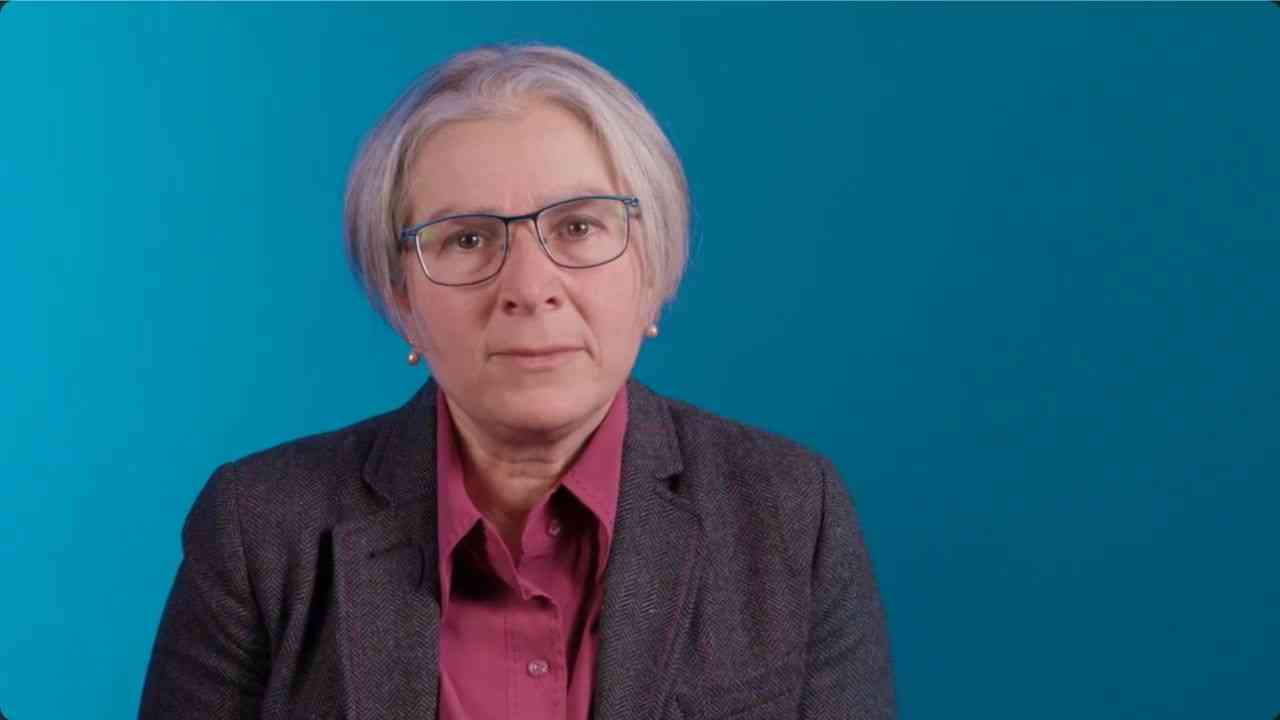
Teen addiction rarely begins with a dramatic collapse. It often starts with relief: from anxiety, pain, loneliness, insomnia, or the pressure to cope. Dr Sharon Levy explains why today’s substances are more potent, more accessible, and more dangerous for adolescents than many adults realise.
Patrycja Krzeszowska: In the United States, fentanyl has contributed to an unprecedented rise in overdose deaths among adolescents. In Poland, this issue is beginning to receive increasing attention. What warning signs should concern us most today?
Sharon Levy, MD, MPH*: The US went through a distinct series of “waves” of the opioid epidemic.The overdose crisis got much worse when fentanyl started contaminating the drug supply. Illicit manufacturers could press counterfeit pills that look identical to pharmaceutical products. A high proportion of them were contaminated with fentanyl.
Social media made it feasible for people to sell these pills to people who probably would otherwise never buy them from a typical “drug dealer”. Overdoses, including among adolescents, shot through the roof, and 2/3 of young people who overdosed were not known to have an opioid use disorder – in other words, they were “sporadic” users who took a contaminated pill and overdosed.
Over the past few years overdose rates have started to decline in most demographics, including among adolescents. The declines are thought to be linked to naloxone distribution and education. Unfortunately overdose deaths are still extremely high, nearly 70,000 in 2025.
What is the situation like in Europe?
In general, Europe has reported far fewer opioid overdoses than North America, though there are some things to watch out for, including increasing rates of chronic pain diagnoses and opioid prescribing in some areas. Fentanyl does not appear to have entered the European markets to any large extent, but it is important to continue to surveil.
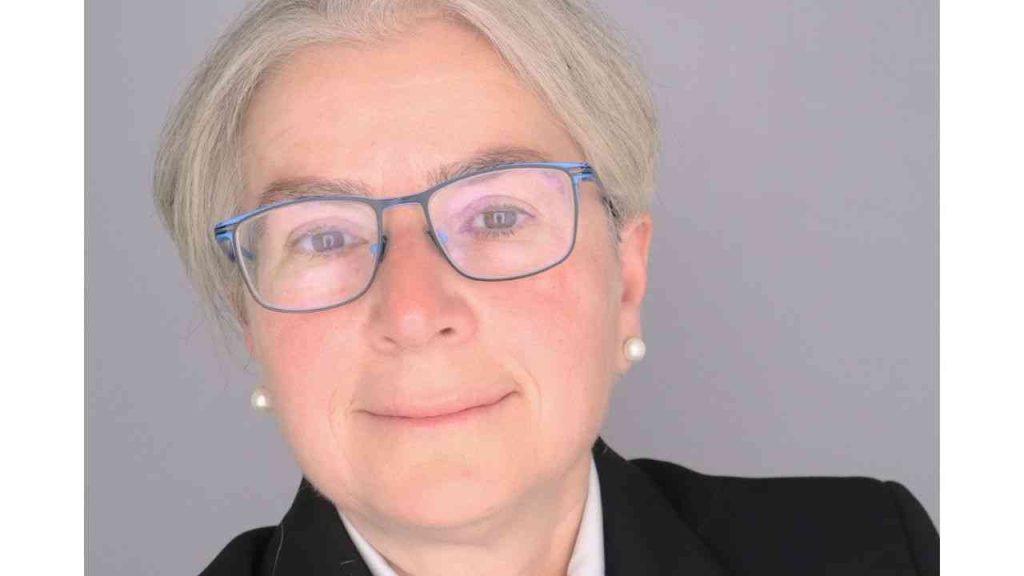
A study you co-led found that even using cannabis once or twice a month is associated with greater emotional difficulties and poorer school functioning among adolescents. Why can such a seemingly small amount of use have meaningful consequences?
The association we found was very striking and in alignment with other work that has found that cannabis use during adolescence is associated with changes in brain architecture and declining IQ in adulthood. At this point, the science tells a clear story that cannabis use during adolescence interferes with brain development during critical windows.
It is true that cannabis products in the US have become much more potent over the past few decades, and that has made them more addictive and resulted in greater adverse effects or harms.
Over the years, you have treated thousands of adolescents struggling with substance use disorders. What has changed the most in the profile of your young patients over the past 15–20 years? Have the substances themselves changed, or have the reasons why young people turn to them changed more significantly?
In the US, national surveys over the past decade or so have found dropping rates of adolescent substance use for most substances, including alcohol, cigarettes, illicit drugs, and prescription medications. Rates of cannabis use have been mostly flat, and rates of e-cigarette use have been unstable.
Nonetheless, the rates of substance use problems and disorders among those who use have been increasing, and this is largely attributed to the trend towards increasingly potent substances available on the market. Highly potent cannabis products are now easily available as are highly potent nicotine e-cigarettes.
Fentanyl contamination is common and young people who access “pills” through social media can be inadvertently exposed, leading to overdose. As a result, higher proportions of teens who try a substance end up having a serious consequence or developing a substance use disorder.
The environment is also changing. Rates of depression and anxiety have skyrocketed among US teens. Promotion of drugs (especially cannabis at this moment in time) has led to many young people using them to treat a physical or mental health symptom. Mental and physical health problems have always gone hand in hand with substance use disorders, in the current environment co-occurring disorders are becoming even more common.
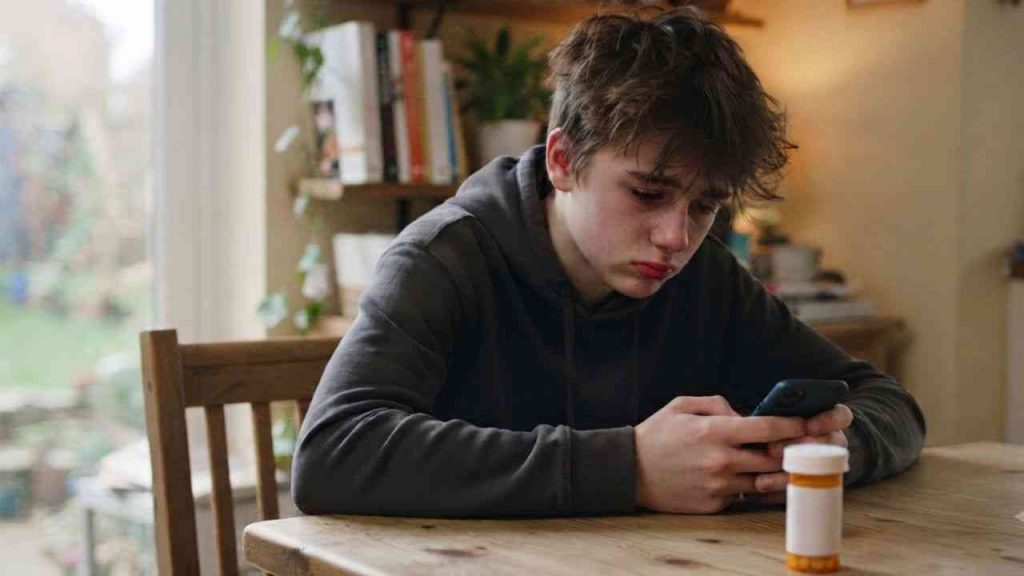
You treat young people affected by alcohol, nicotine, cannabis, opioids, and prescription medication misuse. Are there common characteristics, experiences, or patterns that connect most adolescents who come to your clinic, regardless of the substance involved?
Every patient is unique, of course, but one common factor is the very high rates of mental health disorders (particularly anxiety, depression and ADHD) among the adolescents we treat – much higher than the general population.
Many parents still view e-cigarettes as an harmless gadget or a „lesser evil.” Meanwhile, some adolescents use vaping devices almost constantly and struggle to get through a school lesson without nicotine. What signs indicate that a teenager has moved beyond experimentation and may have developed an addiction requiring professional treatment?
Unfortunately, there is no “free lunch” for nicotine. The nicotine formulations in e-cigarettes can be even more addictive than combustible cigarettes, and as with other substances, the products are getting better and better at delivering more concentrated nicotine, or in other words higher, more addictive doses. The addiction itself is a harm (even if you could get nicotine without all of the other toxic chemicals).
Addiction is in essence a disorder of salience – normally rewarding behaviors, like achieving in school, sports, hobbies, normal social interactions, etc. cannot compete with “dopamine blast” of addictive substances and this imbalance knocks kids off track. As a group, people who develop addiction have poorer functional outcomes (like finishing school, having a fulfilling career, establishing a family of their own, etc.) than their peers.
When a young person becomes addicted, are they truly seeking the substance itself or are they often seeking relief from anxiety, loneliness, pressure, insomnia, or the feeling that they cannot cope?
Often kids start using a substance to relieve a symptom, and some substances do give immediate relief. The problem is that for addictive substances, the problems are always worse in the long run. For example, people who become addicted to opioids become very sensitive to pain, a condition called “hyperalgesia”. Although cannabis may relieve anxiety, it may also cause it (especially in high doses) and addiction makes anxiety disorders worse. Cannabis helps people fall asleep, but disturbs sleep architecture so that sleep is not restful. The list goes on and on.
Sometimes young people have difficulty recognizing that some of the symptoms they are experiencing are actually resulting from withdrawal. This is especially true for cannabis because some symptoms can come weeks after stopping. Medications can be very helpful in managing withdrawal symptoms (which are always time limited), so if teens or their parents think they may be having withdrawal, they should seek professional help.
If you could change just one thing about how parents, schools, and healthcare systems respond to the earliest signs of substance use among adolescents, what change would have the greatest impact on preventing addiction?
There is no magic here: firm limits and clear messages from trusted adults are very protective. “Firm” and “clear” doesn’t need to be harsh.
You said one thing, but I am going to add in a second: make sure your teen has rewarding experiences in their life. That can be sports, academics, hobbies, a job, volunteering – even caring for a pet or family member can be rewarding, especially if it is treated as such.
Today, young people can find a drug dealer, counterfeit medication, or instructions on how to use substances without ever leaving their bedroom. What share of responsibility should be attributed to online platforms, manufacturers of appealing nicotine products, healthcare systems, and governments?
I absolutely agree that we need special regulatory schema for addictive substances and enforcement for companies that break the rules. The good news is that these can work – an example is rates of teen cigarette smoking in the US, which have plummeted as good regulation has been implemented. This framework could be adopted for other legal products – mainly cannabis and vapes, and also alcohol.
The illegal markets are always more difficult to regulate but I do think there are opportunities. We know more and more about how kids access pills using social media, and a few regulatory switches would change the landscape.
So how can parents help protect their child?
I have some suggestions for parents:
Explain to your kids that you disapprove of vaping and be clear about it. Kids hear your messages and they are important even if it seems like they are not paying attention.
If you discover that your child is vaping, speak with them (calmly) and set a firm limit. Remember that it is really understandable that a teen would like to try a blue razz vape with a build in video game. As a parent it is your job to explain that vaping is unhealthy and nicotine is addictive (and the industry is trying to get their money!!)
After the talk, monitor your child. If vaping continues, seek professional help.
* Sharon Levy, MD, MPH, is Professor of Pediatrics at Harvard Medical School and Director of the Adolescent Substance Use and Addiction Program at Boston Children’s Hospital. She is the author of The Handbook of Pediatric Addiction Medicine and the audiobook How to Talk to Your Kids About Drugs and Alcohol.
Read this article in Polish: Ekspertka Harvardu: Mniej młodych bierze. Skutki są coraz groźniejsze


A graduate of journalism and social communication at the University of Rzeszów. She has been working in the media since 2019. She has collaborated with newsrooms and copywriting agencies. She has a strong background in psychology, especially cognitive psychology. She is also interested in social issues. She specializes in scientific discoveries and research that have a direct impact on human life.



Zmień tryb na ciemny