Culture
A Life Spent Becoming Someone Else’s Ideal
12 October 2026





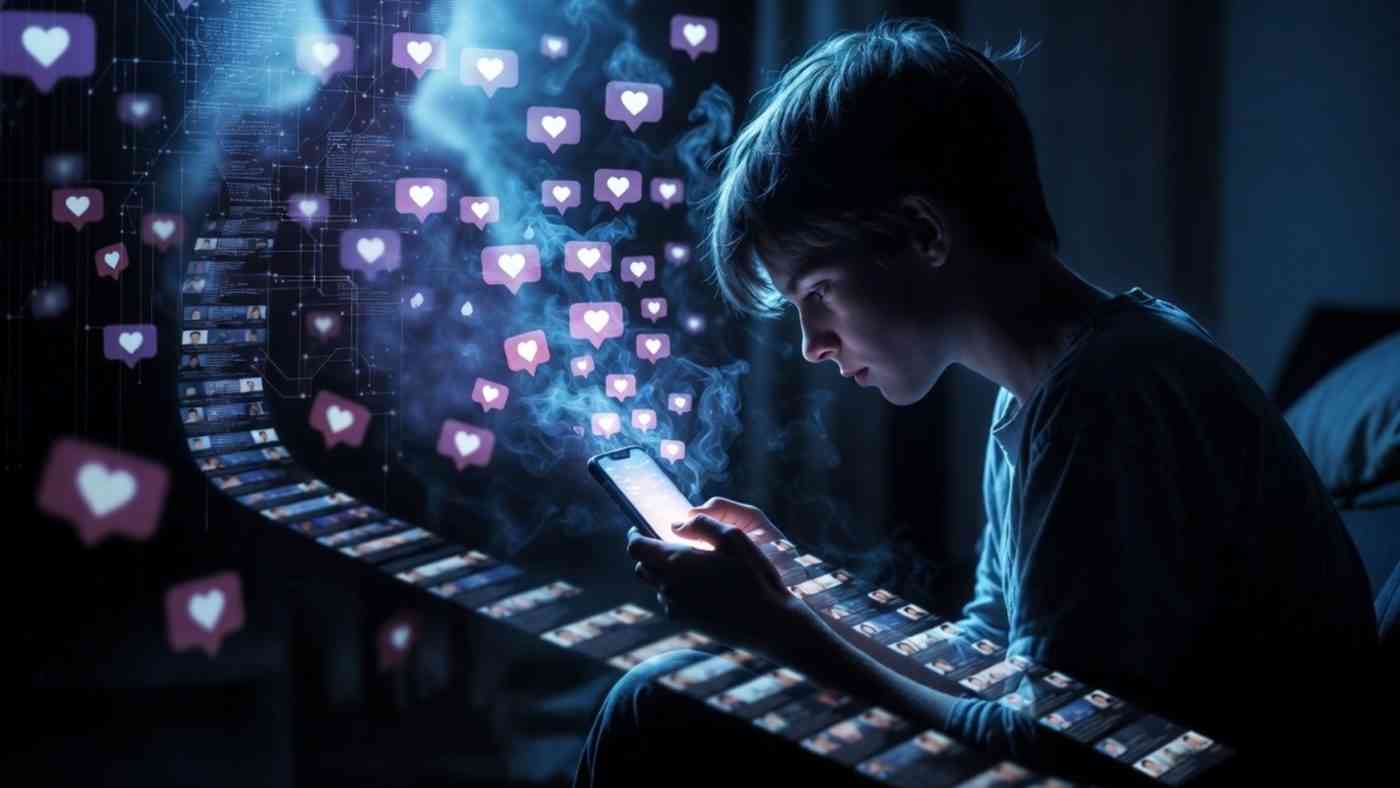
Finding love online was supposed to make intimacy easier. Dating apps promised to simplify life, remove chance, and help us find the right person. Instead, algorithms often push us into a loop of fleeting encounters from which little lasting connection emerges.
For centuries, we tried to tame randomness with the language of destiny: “it was meant to be,” “the one person must be out there somewhere.” In the digital age, another order has taken over that role. Instead of saying “fate wanted it this way,” we say, “the algorithm matched us.” Instead of trusting a happy accident, we place our desires in the hands of algorithms that are supposed to “know better.” And yet, the more people date through apps, the more often their stories contain not calm, but emotional chaos.
Research shows that the larger the catalogue of potential partners, the greater the fear of missing out on “someone better,” and the stronger the decision fatigue. This is the paradox of choice: when there are too many options, we do not feel free. We feel paralyzed. In dating apps, this mechanism operates at full force. Instead of focusing on one person, the brain begins to compare, analyze, and look for “something better.” The result? Anxiety grows, the fear that something may slip away intensifies, and constant decision-making becomes exhausting.
Faced with this overload, many people begin to trust the algorithm even more. They hand responsibility for selection over to it and treat it as a filter that will “do the dirty work” for them. The problem is that the algorithm inside a dating app has different goals from ours. The system is not designed to help us find love online as quickly as possible and leave the platform. What matters more is that we return, click, and pay for additional features.
In this sense, this is not a flaw in the algorithms, but their function. They are designed to maximize time spent in the app, not the depth of connection. The deeper cause lies in the users themselves. Technology merely strengthens what already existed in them: fear of commitment in a world that rewards flexibility and individualism.
Real love has always required risk: surrendering part of one’s freedom for the sake of another person. When we look for love online, we reduce that risk almost to zero. We can look without leaving the house. Rejection no longer has to happen face to face. Even ending a conversation properly becomes optional. It is enough to close the app.
Ease weakens commitment. The more options we have, the weaker the will to stay with one of them. Today’s apps create an endless list of potential people, each of whom may always turn out to be slightly better than the current one.
Online love introduces a new ontology of relationships. The other person is no longer “someone standing before me,” but “someone from the pool.” A human being becomes an option to test, put aside, and replace with another. In such a world, commitment no longer means deciding to stay with a specific person. It becomes, rather, a resignation from an unlimited space of alternatives.
Even before Tinder dominated the market, Zygmunt Bauman described in Liquid Love how relationships in consumer culture become “liquid”: light, temporary, easy to break off. Users can date with the confidence that they can always return to the market for “another shopping session.” That is exactly how the algorithm works today. It keeps offering new profiles, as if love were a product that could be exchanged for a better model.
This arrangement creates a very specific habit in many people. Instead of learning to endure the phase of uncertainty and gradually becoming familiar with another person, they learn to withdraw at the first sign of friction. Instead of building intimacy, they learn rapid rejection. One awkward joke, one small disappointment, and the gesture of dismissal comes almost mechanically: swipe left, delete, next.
Does the crisis of intimacy stem from the imperfections of algorithms, or from the fact that the ease of swiping through people weakens our capacity for commitment? Research suggests that the two are intertwined. Algorithms create an environment in which relationships are treated as a resource to optimize. We, in turn, tired of uncertainty and vulnerable to the promise of an easier choice, allow that environment to shape our expectations of ourselves and others.
Finding love online reveals not only the power of technology, but also our own fears: of loss, rejection, and the fact that choosing one person means giving up all the others. Algorithms did not create those fears, but they gave them a convenient form, one we can operate with a thumb. The solution does not lie in another app update, but in the courage to return to what has always defined human beings: the capacity for commitment, even when the world offers a thousand easier options.
Read this article in Polish: Szukasz bliskości w internecie? Algorytmy mają inne cele

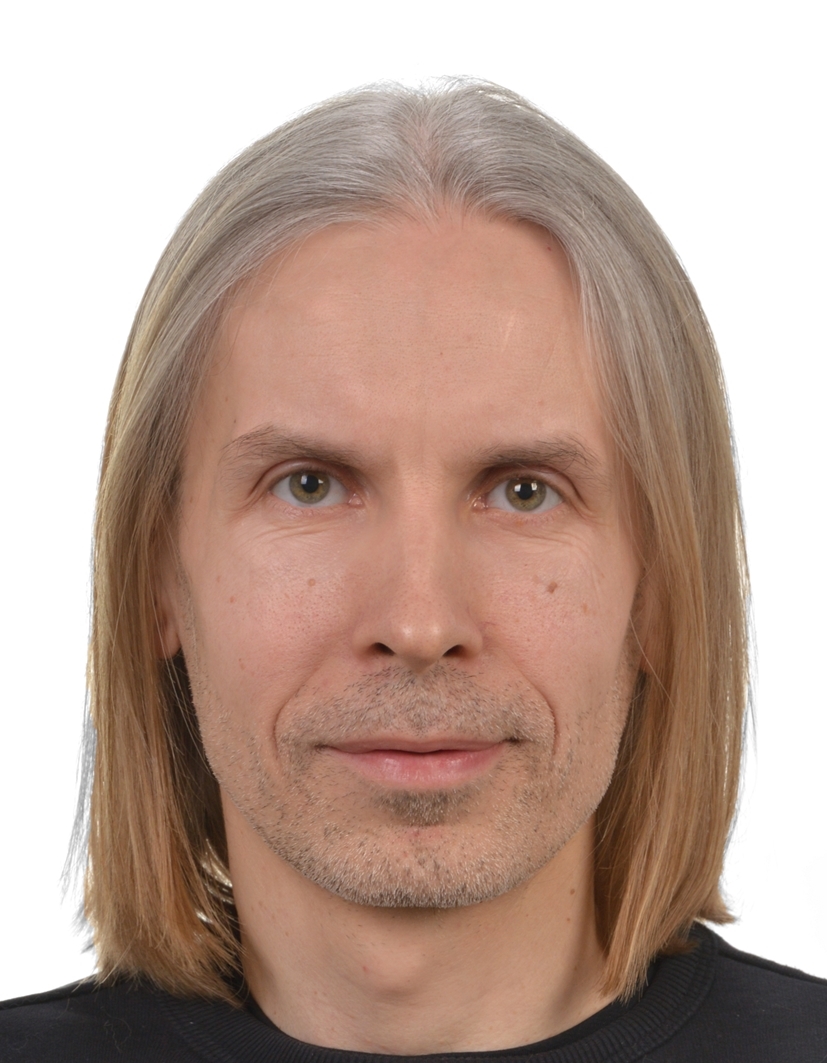
A Journalism and Social Communication graduate with 15 years of experience in the media industry. He has worked for titles such as "Dziennik Łódzki," "Super Express," and "Eska" radio. In parallel, he has collaborated with advertising agencies and worked as a film translator. A passionate fan of good cinema, fantasy literature, and sports. He credits his physical and mental well-being to his Samoyed, Jaskier.

Zmień tryb na ciemny