
Science
Before There Are Planets, There Is Dust
16 October 2026





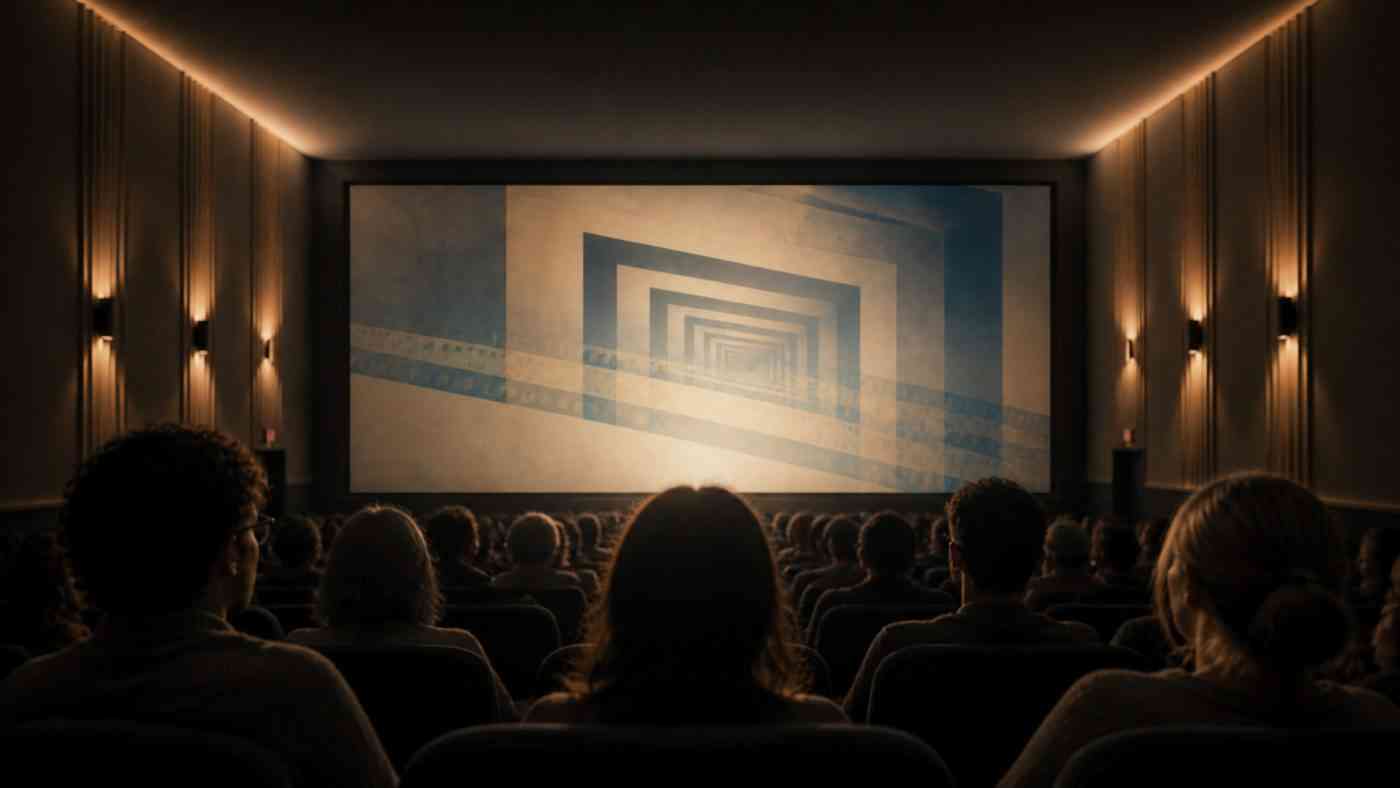
Recycled films — sequels, reboots, and new installments of familiar brands — have dominated cinema marquees for years. The problem is not a lack of originality in cinema. It is a system in which a safe return on investment wins over artistic risk. Contemporary cinema does not suffer from a shortage of ideas. It suffers because producers fear risk more than anything else.
In 2026, recognizable brands once again dominate cinema screens and release calendars: Avengers: Doomsday, Toy Story 5, and Spider-Man: Brand New Day. This is no accident. It signals a much wider phenomenon. Producers and media corporations prefer to reheat proven intellectual property rather than invest in original, uncertain visions. As a result, the lack of originality in cinema no longer looks merely like an aesthetic problem. It reveals the logic of an entire system of production and distribution.
According to Parrot Analytics, when researchers looked at the 10 highest-grossing domestic films in each year from 2013 to 2023, excluding 2020, they found that 76 percent were reboots, remakes, sequels, prequels, or spin-offs.
In the last 3 years, among 66 titles that earned more than 100 million dollars in the US, 71 percent belonged to already existing franchises. Original films still get made, but they rarely break into the top tier of the box office. Analysts at Parrot Analytics put it bluntly: audiences vote with their wallets, and new film concepts lose to predictability.
Behind this caution stands, above all, the economics of uncertainty. Major film productions now cost enormous sums, and failure can hurt not only a single title but also a studio’s entire quarterly results. When a budget runs into the hundreds of millions of dollars, every decision about a new project becomes a test of investor confidence.
No wonder media corporations increasingly prefer proven formulas to stories that might surprise audiences, but might also disappoint them. James McMahon, a scholar who studies the political economy of culture, describes this logic of risk well:
The largest distributors have sought to prevent the art of filmmaking and its related social relations from becoming financial risks in the pursuit of profit.
In this model, originality does not disappear. The system pushes it to the margins. Since the 1980s, the largest studios have systematically reduced uncertainty through franchises, sequels, and repeatable formulas. This is not simply a matter of screenwriters lacking talent. It is the result of a structure in which a safe return on investment wins over artistic risk.
The logic of streaming platforms deepens the same problem. Algorithms favor content similar to what viewers already know, because predictability usually means better clickability and a lower risk that someone will abandon a title. Marketing works in much the same way. It is easier to sell a familiar world, known characters, and another chapter in a popular brand than a completely new story that first has to earn the viewer’s trust.
In practice, this creates a situation in which programming and promotional decisions increasingly rest on safe data rather than creative intuition.
The consequences reach beyond the film schedule itself. One movie after another repeats similar motifs, conflicts, and narrative solutions. As a result, cinema more and more often resembles a product designed for immediate consumption rather than an experience that can knock the viewer out of routine.
The lack of originality in cinema therefore means something more than fatigue with repetitive franchises. It means the gradual homogenization of imagination. Instead of new worlds, we receive variations on what we already know. Over time, this also impoverishes the viewer, who less and less often encounters a film that can genuinely move them, surprise them, or change the way they think.
The same mechanism affects creators. If an original screenplay proves harder to sell, and even after approval receives a smaller budget and weaker promotion, younger writers quickly learn that repetition is safer than risk. As a result, cinema does not exactly stop being creative. It begins to produce creativity under conditions of intense control.
This explains why so many films look alike today. Not because imaginative people have vanished, but because the system rewards caution rather than courage.
This does not mean, however, that originality has vanished altogether. Films still appear that prove a new idea can reach a broad audience.
A good example is the independent horror film Obsession, directed by Curry Barker. Built on an original idea, the film cost about 750,000 dollars to make and quickly earned more than 440 million dollars worldwide. Its performance showed that audiences can still reward freshness when they get a chance to see something other than another variation on a familiar formula. Cases like this, however, remain the exception rather than the rule.
So the question is no longer whether cinema still has ideas. The better question is why the industry so rarely gives those ideas enough room to resonate. When culture starts living mainly off recycling, it loses more than the freshness of its repertoire. It also loses the ability to create new images of reality, and therefore new ways of experiencing the world. In the end, originality in cinema matters because imagination needs risk in order to remain alive.
Read this article in Polish: Filmy z recyklingu. Dlaczego kino boi się ryzyka?


A Journalism and Social Communication graduate with 15 years of experience in the media industry. He has worked for titles such as "Dziennik Łódzki," "Super Express," and "Eska" radio. In parallel, he has collaborated with advertising agencies and worked as a film translator. A passionate fan of good cinema, fantasy literature, and sports. He credits his physical and mental well-being to his Samoyed, Jaskier.


Zmień tryb na ciemny