Truth & Goodness
The Polar Silk Road: Can We Outsmart Geography?
26 March 2026






In an era where medicine extends life to once-unimaginable limits and technology connects continents in a fraction of a second, humanity has reached the pinnacle of material prosperity. Never before has life been so safe, wealthy, and convenient—particularly in the West. And yet, global reports paint a haunting picture of wealth vs. loneliness, showing a rise in misery and stress. Why does the progress meant to liberate us seem to be crushing us instead?
According to United Nations data, global life expectancy has surged from 48 years in 1950 to over 73 in 2023. In developed nations like the United States or Poland, that number nears 80 (and exceeds it for women).
Infant mortality has plummeted by over 90 percent in the last century. Extreme poverty now affects less than 10 percent of the world’s population, compared to a staggering 90 percent in the 1800s. The technological boom only amplifies these achievements. By 2025, over 5.5 billion people had internet access, enabling the instant exchange of knowledge and ideas.
Economies are booming: global GDP per capita has nearly doubled since 2000. Innovations in medicine—ranging from neurological breakthroughs to gene therapies—save millions of lives annually.
Yet, these triumphs do not translate into a universal sense of fulfillment. The 2024 World Happiness Report indicates that life satisfaction in the U.S. dropped significantly between 2007 and 2018, despite economic growth following the Great Recession. In Europe, Eurobarometer studies show a steady increase in individuals reporting chronic stress.
One key explanation is the Easterlin Paradox, named after economist Richard Easterlin. In the 1970s, he noticed that rising income does not always raise happiness levels. In the U.S., where GDP per capita has grown by 60 percent since 1970, average happiness has remained stagnant. Once a household crosses a certain threshold—estimated at roughly $75,000 annually—additional money fails to significantly improve emotional well-being. Instead, growing wealth often fuels social comparison.
In the age of social media, where 4.8 billion users share idealized versions of their lives, envy and inadequacy become commonplace. New research from the Wroclaw Medical University shows that 68 percent of adults feel lonelier despite constant digital engagement. Algorithms designed to maximize screen time reinforce polarization and consumption, deepening the sense of emptiness.

Technological progress, while facilitating communication, paradoxically weakens real-world relationships. By 2025, the average social media user spent 2.5 hours a day online—time that could have been spent on face-to-face interaction.
An Oxford University report from 2024 notes that 57 percent of people feel overwhelmed by information overload, leading to increased social isolation. In developed countries, about 20 percent of the population lives alone. Families are shrinking; each generation is smaller than the last, meaning fewer siblings, fewer peers, and less organic socialization.
But this isn’t just about demographics. Urbanization and professional mobility are tearing apart traditional support networks. Gallup’s 2023 data shows that the global Negative Experience Index—which tracks stress, sadness, and anger—has stabilized at a record high of 33 points after a decade of growth. In 2022, 41 percent of adults worldwide reported high levels of worry, and 40 percent reported stress.
In Japan, the hikikomori phenomenon—total withdrawal from social life—affects over a million people, mostly youth. It is an extreme example of how progress can lead to total alienation.
Despite global advancement, rising economic inequality deepens the sense of injustice. In the U.S., the top 1 percent holds 30 percent of the nation’s wealth—the highest in history. People see the fruits of progress going to a select few, which breeds frustration.
Additionally, the culture of success places immense pressure on constant self-improvement. NORC data from 2020 showed that the percentage of Americans declaring themselves “very happy” is in a tailspin. Young people entering the workforce in the era of automation fear technological unemployment. By 2030, McKinsey predicts AI could displace up to 800 million jobs.
The Instagrammization of life fakes reality. People enter stable relationships less often, held back by inflated expectations fueled by filtered images and fantasies from trending shows or AI. In Finland, consistently ranked as the happiest country, the key isn’t just high income. It is a strong social safety net, equality, and family ties—proving that material progress alone is insufficient.
Finally, progress offers freedom of choice but strips away traditional anchors. Religiosity is declining; across Europe, the percentage of believers has dropped significantly as of 2025. Philosophers like Zygmunt Bauman spoke of “liquid modernity,” where the lack of fixed structures leads to pervasive anxiety.
Research shows that in high-GDP countries like the U.S., the “happiness curve”—traditionally U-shaped with a mid-life dip—has flattened among the youth, who are now the least happy demographic. „Unhappiness is at a record high. People feel more anger, sadness, pain, worry, and stress than ever before,” notes the 2022 Gallup report.
In light of these facts, we must ask: can we reconcile material triumph with inner peace? The key may lie in redefining progress—not just as GDP growth, but as an investment in relationships, “logging out to live,” and balance.
As we move through 2026, a year where technology promises eternal youth, we must ask if happiness hides in “likes” or in the silence of genuine connection. We must solve the crisis of wealth vs. loneliness and decide how to use our tools—before they become our chains.
Read this article in Polish: Najbogatsi w dziejach i najbardziej samotni. Skąd się to bierze?

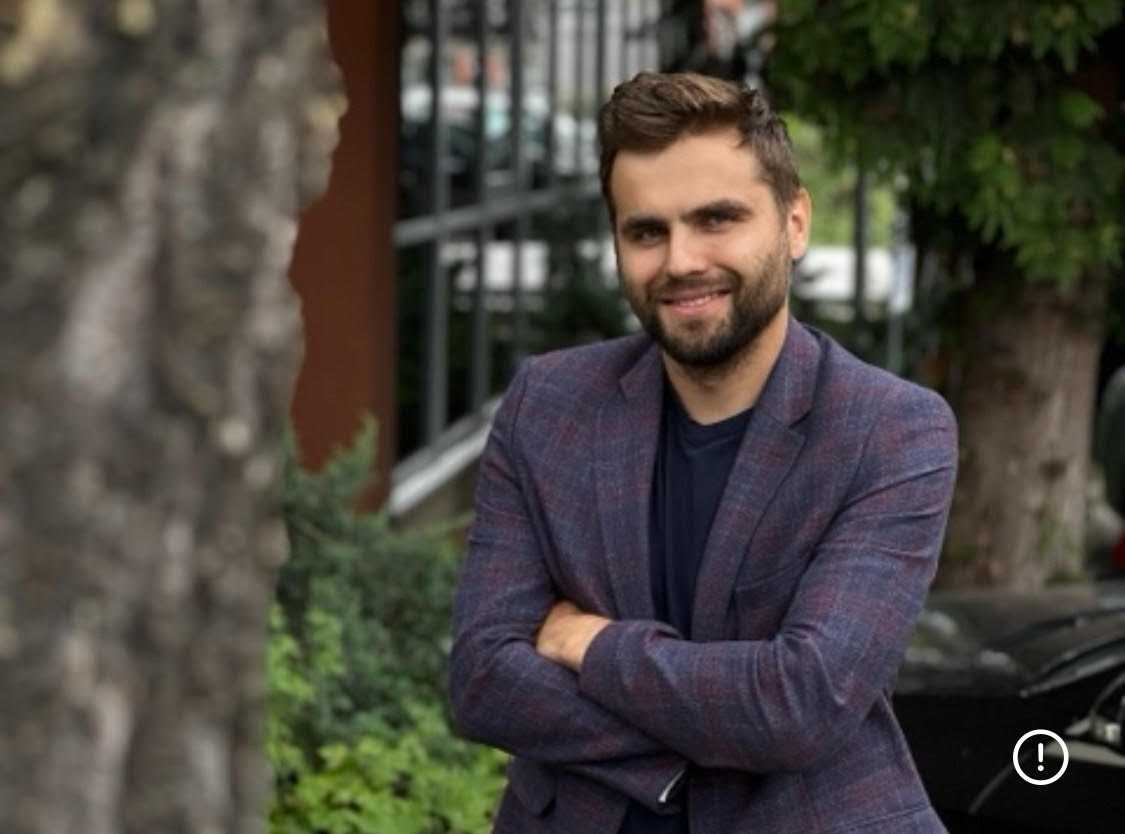
Television and press journalist, publicist. He published reports, investigative materials, and interviews in outlets such as Gazeta Wyborcza, Tygodnik DoRzeczy, Tygodnik Przegląd, and on the Onet portal. He collaborates with the Warsaw Enterprise Institute. Author of two editions of "Black Book" – a publication dedicated to the waste of public money, and the book "Myths and Spells of the 21st Century." Laureate of the Polish Chamber of Electronic Communication's Crystal Screen award for his report titled "Monsters," focusing on the issue of violence against children.



Zmień tryb na ciemny