Culture
A Life Spent Becoming Someone Else’s Ideal
12 October 2026





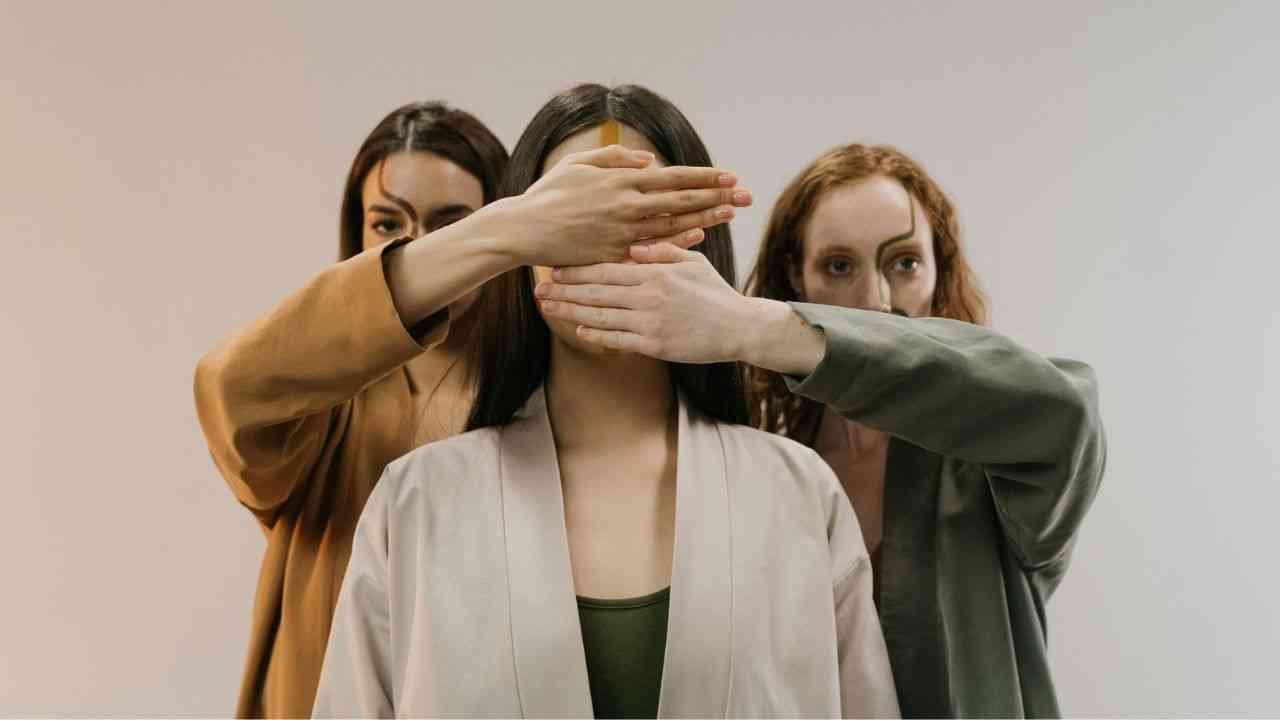
Why we believe lies often has less to do with stupidity than with relief. A single sentence can seem to put everything back in order: who is guilty, what is true, how the world works. It sounds reassuring, so we accept it. The mind often chooses what brings calm before it chooses what is true.
Imagine a perfect morning. You reach for your phone, and the first notification suggests that the world runs on simple rules. “They” are against “us.” Someone else is to blame for your frustrations. The market will fix itself. You click because the claim is convenient, even though it is false. That is precisely the moment when perception reveals how it works. It chooses what feels easy and familiar.
You leave the unpleasant truth for later because it demands responsibility and attention to nuance. This is not a matter of stupidity. It is a human mechanism of judgment, one that often yields to illusion because illusion is comfortable and does not press too hard against us. But why do we so readily believe illusions and remain inside them?
Bernard E. Harcourt offers one answer in Critique and Praxis: A Critical Philosophy of Illusions, Values, and Action. He does not treat illusions merely as collective lies or private errors in grasping reality.
Instead, he sees them as structures that are produced and sustained. They allow us to believe, for instance, that the free market is a natural state rather than the result of decisions and regulation. They treat inequality as inevitable, while also mobilising people through the promise of a return to “the good old days” or through fantasies of simple political solutions. Harcourt’s broader work, including The Illusion of Free Markets, directly supports that way of thinking about illusion as something socially made and politically functional.
He proposes a different path for critical theory. For years, such theory revolved around questions of knowledge: what do we know, and how do we know it? Harcourt shifts the emphasis toward action. He does not ask simply what should be done. He asks, “What more am I to do?” That move matters. It turns critique into an invitation to act here and now, while remaining aware that even our efforts to unmask illusion can generate fresh illusions of their own. That is why, for Harcourt, critique does not culminate in one final and universal truth. It presses toward conscious action.
Choosing illusion feels natural because it works, at least for a while. It gives us a sense of control in a reality where our actual agency often feels painfully limited. We avoid difficult truth because it hurts. It forces us to look at ourselves honestly and to see that we are entangled in the very systems we criticise. Illusion, by contrast, allows us to remain mere observers.
Harcourt does not promise that exposing illusion will bring victory. Quite the opposite. His account of critique is open-ended and unfinalised. Equality and justice themselves remain values that demand constant scrutiny rather than passive worship. In that sense, our attraction to illusion can function as a kind of psychological shelter in a world that feels unstable and difficult to navigate.
When you reach for your phone in the morning, you still have a choice. You can stay inside the illusion, drifting through notifications without resistance. Or you can follow Harcourt’s line of thought and pause long enough to ask one difficult question: What more am I to do?
This is not a call to heroic world-saving. It is something more demanding and more ordinary than that. It means trying to live truthfully and in alignment with oneself. And perhaps that is where the deepest answer to why we believe lies begins: not in ignorance, but in the fear of what truth might require of us. In that modest but daily act of awareness, something greater than mere factual correctness begins to appear. The possibility of a more truthful life comes into view.
Read this article in Polish: Dlaczego łatwo wierzysz w kłamstwa? Tak działa prosta pułapka

A graduate of journalism and social communication at the University of Rzeszów. She has been working in the media since 2019. She has collaborated with newsrooms and copywriting agencies. She has a strong background in psychology, especially cognitive psychology. She is also interested in social issues. She specializes in scientific discoveries and research that have a direct impact on human life.

Zmień tryb na ciemny