Culture
A Life Spent Becoming Someone Else’s Ideal
12 October 2026





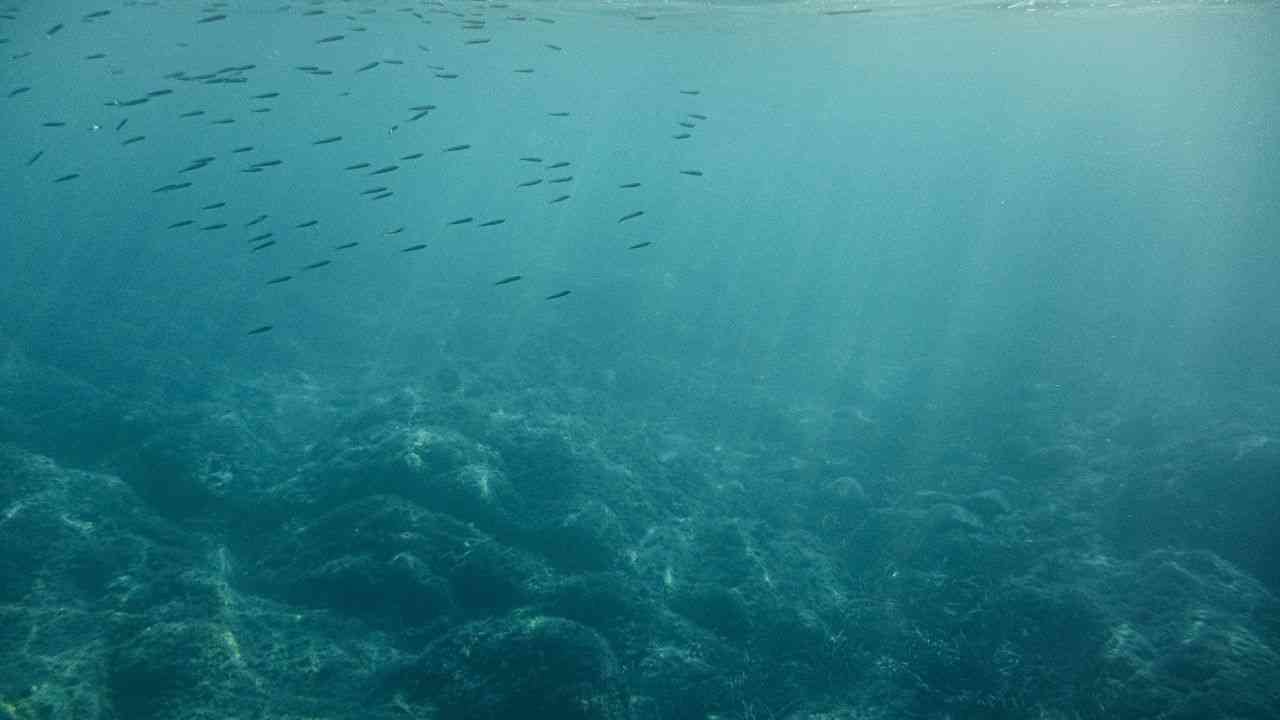
Light beneath the surface has never been more critical than it is today. New research reveals that marine darkwaves—periods of extreme underwater dimming that can push light levels close to zero—may persist for weeks, and in some cases up to 64 days. While the phenomenon unfolds in silence, the consequences can be severe: wildlife loses habitat cues, and underwater forests and meadows can begin to fail.
Many meters—and sometimes far deeper than most people imagine—below the waves, a subtle but devastating force can unravel entire ecosystems. Scientists are now documenting how abrupt losses of underwater light can destabilize coastal habitats that depend on consistent illumination, acting as a quiet but relentless destroyer of nature.
While we have long understood how prolonged darkness affects life on land, an international team of researchers from the University of Western Australia and the University of Waikato shows that subaquatic “blackouts” can be just as disruptive. What matters is not only how dark it gets, but how fast the darkness arrives—and how long it lingers.
Sunlight can be choked out of the water column for numerous reasons, many of them intensified by human activity and climate-driven extremes:
When these factors combine, the underwater world can be swallowed by a night that refuses to end—turning once-vibrant habitats into stress zones.
In a study published in Communications Earth & Environment, researchers coined the term marine darkwaves to describe short but intense periods when underwater light drops dramatically. These events are not a gentle seasonal dimming. They arrive like a sudden curtain, and for photosynthetic life they can be a direct hit to survival.
To measure this growing risk, the research team analyzed long-term light records across coastal regions that include New Zealand and the United States, where they identified darkwave events lasting from days to weeks—and in extreme cases up to 64 days. Importantly, some episodes pushed light availability to near-zero at depths that typically receive enough sun for kelp and seagrass to function.
For decades, the scientific community tended to focus on chronic, long-term reductions in water clarity. The new warning is about intensity: even a relatively short burst of severe darkness can be ecologically brutal.
Without light, seagrasses and kelp forests can’t photosynthesize effectively. When the “energy income” of a plant collapses, growth stalls, reserves drain, and the system becomes more vulnerable to heat stress, disease, and physical damage. Over time, losing these habitats means losing the nurseries and food webs they support—fish recruitment can suffer, biodiversity shrinks, and coastal resilience weakens.
Darkness also affects animals. Many fish and marine mammals rely on visual cues for hunting and navigation, while predators and prey often synchronize behavior to light cycles. When visibility collapses, feeding patterns and movement corridors can change abruptly, potentially concentrating species into smaller, riskier zones.
The concept of marine darkwaves is now being integrated into monitoring and risk frameworks alongside better-known threats like warming, acidification, and oxygen loss. By understanding where and when the lights go out, conservationists can better time restoration of kelp forests and seagrass meadows—and anticipate when ecosystems may be least able to recover from storms or heatwaves.
This awareness can also guide practical response. After major runoff events, for example, managers can use light data to prioritize monitoring, temporarily reduce local stressors where possible, and focus restoration on windows when conditions are more favorable.
The key lesson is simple: a major threat doesn’t always arrive with the roar of a storm. Sometimes it arrives as marine darkwaves—total, unnerving silence in the water column, where light-dependent ecosystems quietly run out of time.
Read this article in Polish: Niszczy podwodną naturę. Niespodziewane źródło zagrożenia

A graduate of journalism and social communication at the University of Rzeszów. She has been working in the media since 2019. She has collaborated with newsrooms and copywriting agencies. She has a strong background in psychology, especially cognitive psychology. She is also interested in social issues. She specializes in scientific discoveries and research that have a direct impact on human life.



Zmień tryb na ciemny