Humanism
The Answer Machine and the Vanishing Art of Doubt
08 July 2026





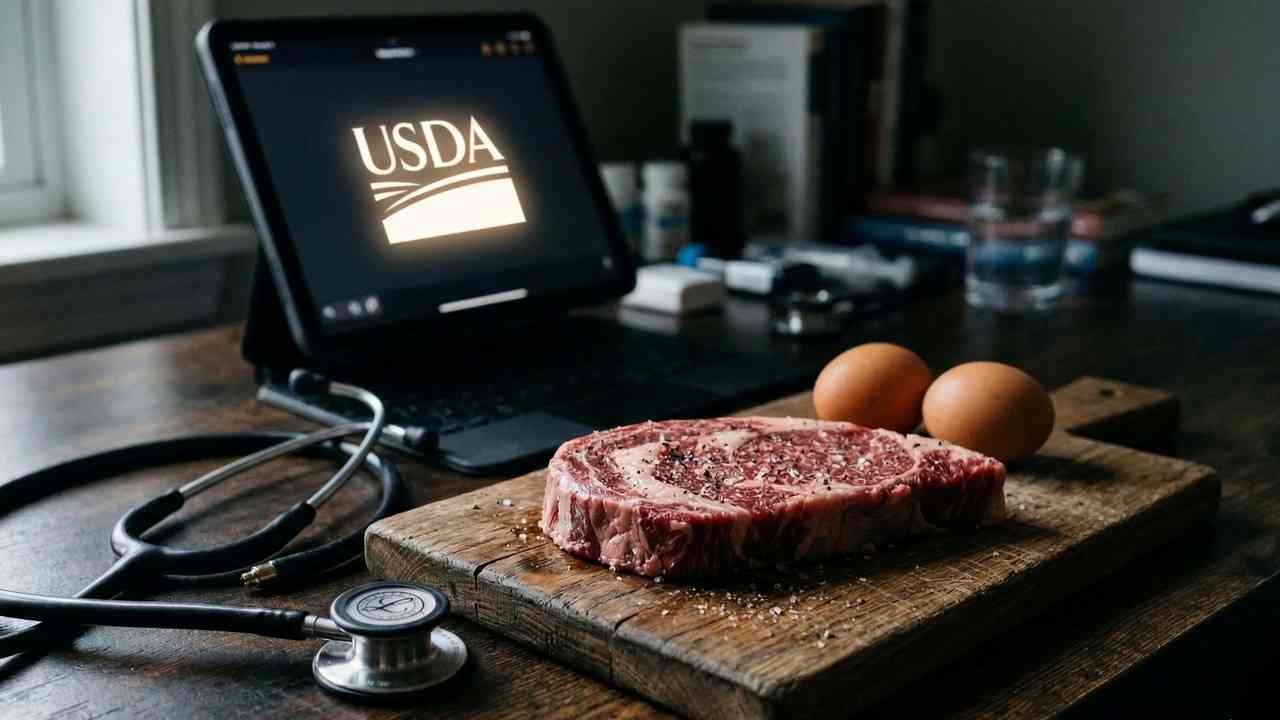
The new food pyramid has turned a familiar image upside down, placing steak and eggs where bread and pasta once stood. Praised by some as a long-overdue correction and dismissed by others as a political spectacle, it has ignited a fierce debate on both sides of the Atlantic. Is this a genuine breakthrough in nutrition science—or a provocative symbol that says more than the evidence itself?
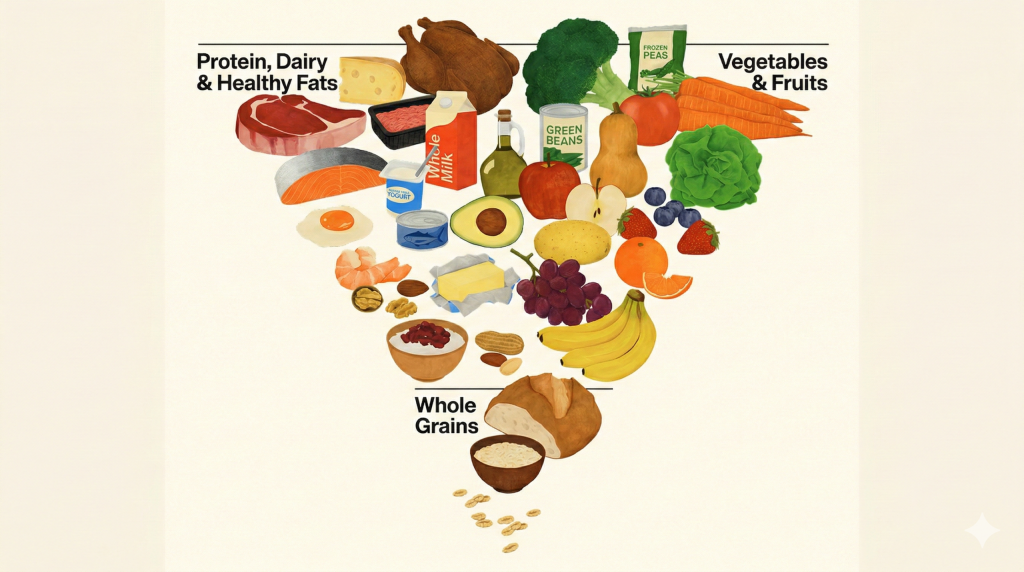
Imagine the food pyramid from your school textbooks—the one with bread and pasta at the base and meat tucked away at the tiny tip, suggesting it should be “rarely eaten.” Now, flip it 180 degrees. Eggs, steak, and butter move to the foundation. Meanwhile, bread remains at the bottom, but now as something to be avoided rather than embraced.
This is the face of the new food pyramid published in 2026 by the U.S. Department of Agriculture (USDA) in the Dietary Guidelines for Americans 2025-2030. Furthermore, this single graphic has been enough to ignite a firestorm in medical offices, dietetic clinics, and online forums dedicated to metabolic health.
In Poland, the duo known as the Rodzeń Brothers—physicians and influencers who have long campaigned against “carbohydrate mainstreaming”—could not hide their euphoria. Speaking on the Rymanowski Live channel, they stated bluntly:
This is a 100 percent Copernican revolution. Until now, doctors and dieticians said: please consume up to 65 percent of your energy in the form of carbohydrates, which contributed to the plague of insulin resistance.
To them, this is a total system reset. For years, they have told patients that “fat doesn’t kill, but sugar does.” Now, they see the new American guidelines as a final confirmation of their diagnosis.
Their biochemical truth is simple: insulin resistance—the condition where tissues stop responding to insulin, paving the way for Type 2 diabetes—is a “civilizational disease” fueled by decades of diets rich in refined carbs. Notably, the new USDA guidelines strike hard at ultra-processed foods and strictly limit sugars (reducing them to zero for children under four). It looks like a manifesto written by reformers but signed by Washington officials.
Szymon Suwała, a prominent endocrinologist, views this revolution with far more caution.
The new food pyramid has sparked enthusiasm among online supporters of ketogenic and carnivore diets—but is it justified? Not necessarily,
– the doctor assesses.
This is the heart of the dispute that many viral social media posts ignore. The new USDA guidelines are not a single, unified message, but rather two conflicting ones:
Dr. Suwała is direct:
The graphic is deceptive because it deviates from the textual recommendations. At the peak, you find whole-grain products as if they should be limited to a minimum—that is simply not true.
Experts from the Warsaw University of Life Sciences (SGGW) echo this sentiment. They argue that placing meat on the same level as vegetables wrongly suggests the same frequency of consumption for both, ignoring documented cardiovascular risks.
The strongly journalistic language and simplified graphic form require critical interpretation,
– the academics conclude.
The USDA 2025-2030 guidelines were born in the political shadow of the MAHA initiative (Make America Healthy Again)—the movement led by Robert F. Kennedy Jr., within the U.S. health administration. The USDA itself used powerful language:
These guidelines represent the most significant reset of federal nutrition policy in our nation’s history. The message is simple: eat real food.
Critics, however, ask: who benefits from bringing this specific “real food” into the mainstream? Analysts point out that the graphic changes—highlighting red meat, butter, and beef tallow—are a massive nod to the farming and cattle-ranching industries. Investigative portals and SGGW suggest that the process of creating the final version of the pyramid lacked transparency and may have succumbed to political lobbying.
The Rodzeń Brothers reject this narrative, calling the old saturated fat limits a “political compromise” built into previous guidelines under pressure from the vegetable oil and grain industries. The paradox is that both sides have valid points—and both have reasons to suspect the other of ideological blindness.
One crucial argument often lost in the digital noise is the population context. The USDA wrote these guidelines for a country where 70 percent of adults are overweight or obese. The metabolic crisis has reached a scale hard to imagine in Europe.
While reformers expect these U.S. changes to sweep through Poland and the rest of the EU, SGGW experts respond calmly:
Polish health problems differ from American ones and require local strategies.
The European approach, often represented by the Healthy Eating Plate, promotes diverse protein sources while limiting red meat. In addition, it focuses on having 50 percent of the plate consist of vegetables and fruits. However, this approach does not necessarily create a rigid hierarchy of product groups.
Despite the loud headlines and the clashing graphics, both sides of this global dispute actually agree on the most important points:
Pyramids can mislead—graphically, politically, and ideologically. Yet beneath the noise, one point remains clear: ultra-processed food is damaging metabolic health, regardless of which dietary camp claims victory. The new food pyramid may keep changing shape as science, politics, and public opinion collide, but the real foundation of health still lies in the quality of what we put on our plates.
Read this article in Polish: Czy okłamywano nas latami? Nowa piramida żywienia dzieli lekarzy


Journalist and podcaster specializing in psychological, social, and religious topics. Creator of Dobry Podcast and the founder and editor-in-chief of the Siewca.pl portal. On a daily basis, he analyzes digital media and communication trends. He gained his professional experience at Polskie Radio Kielce, Tygodnik Niedziela, and the Aleteia portal. He combines journalistic integrity with the ability to conduct in-depth interviews and create engaging audio and online content. In his free time, he enjoys reading—from popular science to non-fiction—while cycling through Masovian trails and cheering for Korona Kielce, Liverpool, and Barcelona.



Zmień tryb na ciemny