Truth & Goodness
Circadian Rhythm and the Quiet Order of the Day
04 September 2026





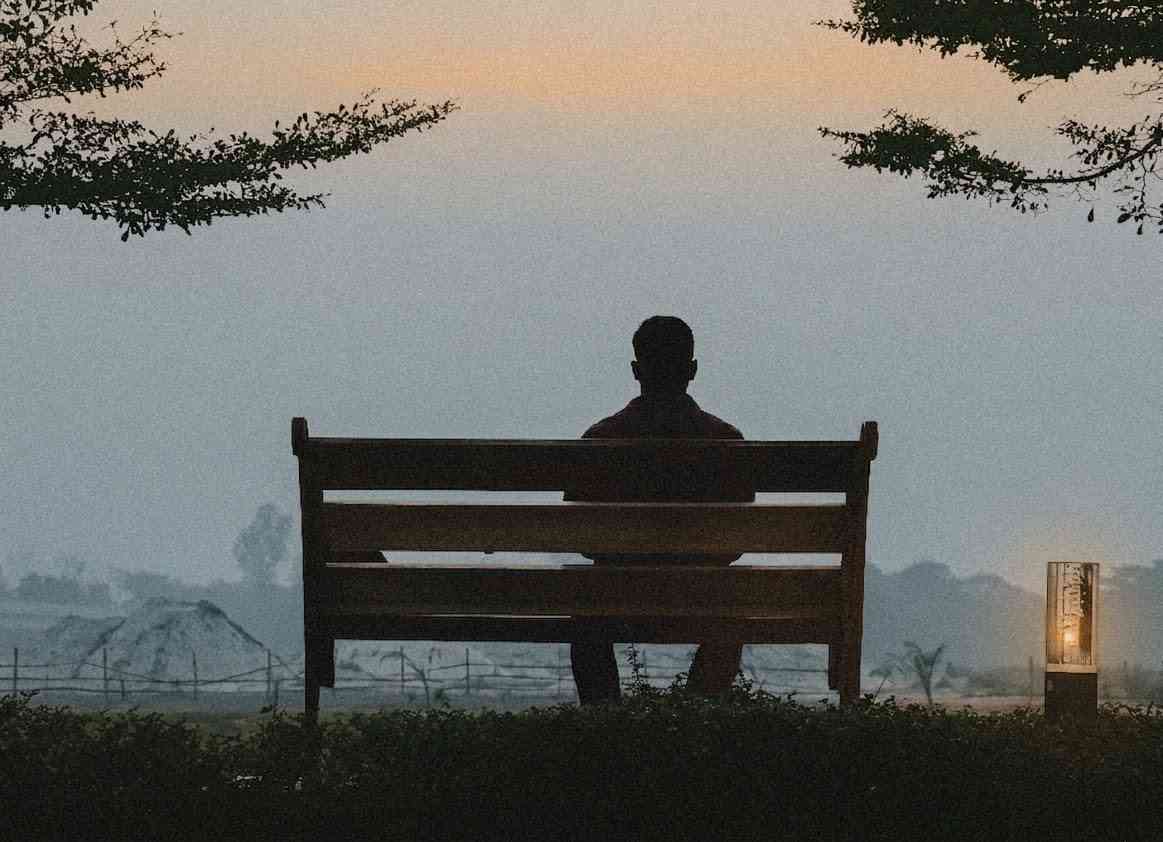
This is not a piece about grand crises or politics. It is about those moments when your throat suddenly tightens and you begin to wonder what comes next. In these quiet hours, we all grapple with the delicate balance of fear and hope.
Returning from my usual evening walk, I took a seat on a bench in a small square in my Poznań neighborhood, Rataje. The early spring warmth had vanished abruptly. A dark chill began to bite, yet I felt no desire to return to a house screaming with emptiness. There, only silence awaited. Here, at least, the wind occasionally kicks up swirls of dust, hisses ominously, or a tram clatters at the old terminus.
I watched people heading home: an elderly gentleman carrying a Biedronka grocery bag, a pretty girl with a small child, and an older woman leaning on a walker, taking labored steps. Step by step. Further and further. This is ordinary life. And yet, within this ordinary life lurks an extraordinary fear—one that often keeps us awake at night.
I am not speaking of high politics, nor of those who have once again baited the public with a hundred empty promises. I mean our small, yet immense, everyday anxieties. Will my son find meaningful work after his studies? Will my daughter be able to start a family here, or will she move away, causing us to lose touch forever? It is that suffocating pressure in your throat when you think of your mother’s fading strength. It is the haunting question of what happens when you are left entirely alone.
They say that in this very place, anxiety meets meaning and expectation. It is a stubborn, distinctly Polish, almost swashbuckling version of optimism. It is the kind that forces you to stand up, brew a coffee, and find joy in living, believing that it all has purpose. Despite everything.
So, from time to time, I sit in that square and observe the people. I often see the same faces on their walks. They rise in the morning, go to work, return, laugh, and embrace their loved ones. This is that small, quiet, persistent spark. It is like parents waiting with Sunday dinner, believing they will not be forgotten. It is like strangers who step in “just in case” to help for nothing more than a simple “thank you.”
One cannot separate these two emotions; they are like the inhale and the exhale. This light in the darkness is not always a promise that everything will turn out well. Sometimes, it is merely the acceptance that even if things go wrong, life remains worth living. It is about holding hands, looking into each other’s eyes, and marveling at the spring sky above the concrete housing blocks.
The great Leonard Cohen once sang in his rusty voice, veiled in smoke and sorrow: “There is a crack in everything, that’s how the light gets in.” Exactly. And when that light enters, the shadows flee, dissipating like morning mist.
So I do not fear my anxiety. I sit with it on this bench for a while and let it speak. Once darkness falls and no one is watching, I let it cry if it must. I know that, soon enough, a quiet strength will take its place. It stays with me even after the trembling fades, reminding me of the endless dance between fear and hope.
Read this article in Polish: Najcichszy lęk. Ten, który przychodzi, gdy jesteś sam


A journalist, columnist, and commentator, he is a devoted fan of the Lech Poznań soccer team, Polish fantasy literature, and unhealthy high-calorie cuisine.

Zmień tryb na ciemny