Truth & Goodness
The Stranger We Choose to Help, and the Signals We Trust
16 September 2026





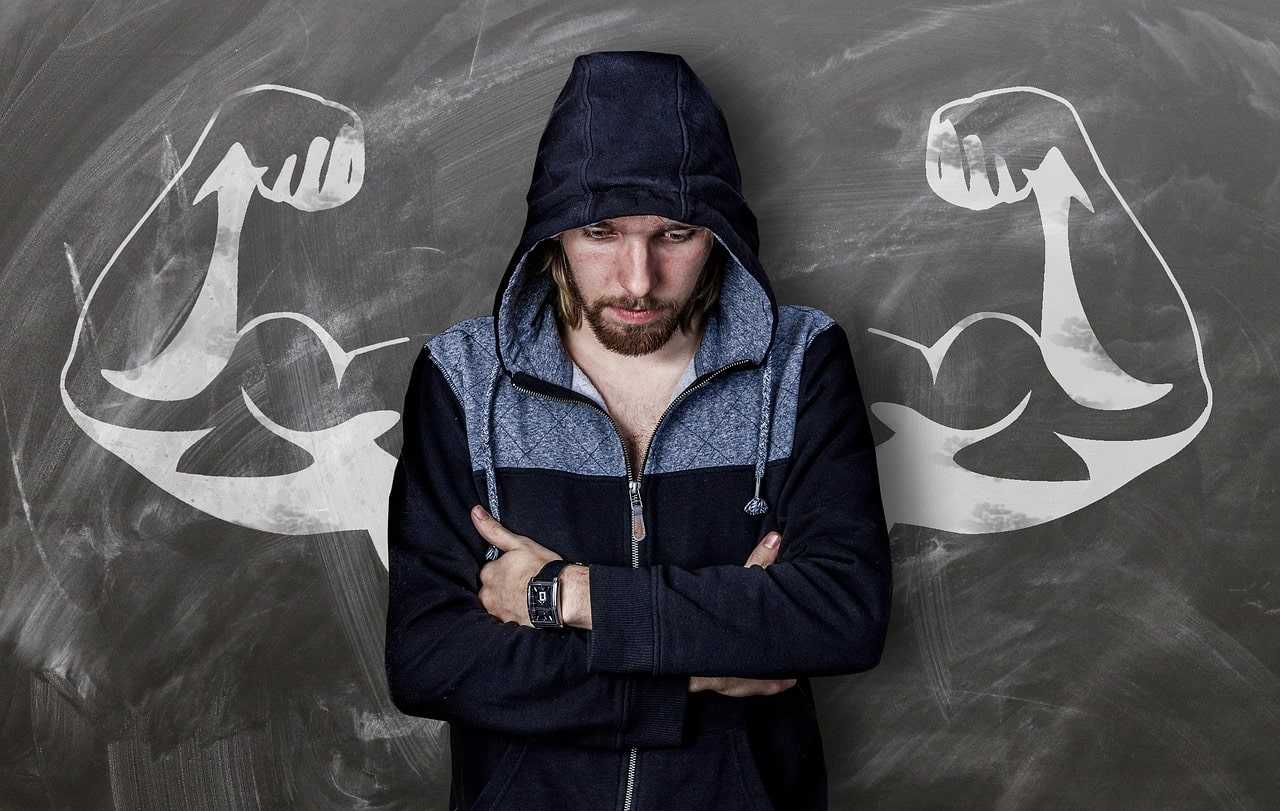
Resilience, fortitude, valour—these synonymous terms, used across different eras and contexts, all describe the ability to navigate a harsh reality. But can a person capable of almost superhuman feats also cope with ordinary struggles and show compassion to others? Or are such people the very ones most urgently in need of help? The tension between mental toughness and well-being has rarely been more visible.
Last autumn, Australian ultramarathon runner Nedd Brockmann set out to break the world record for the 1000-mile run at Sydney Olympic Park. The standing record was 10 days, 10 hours and just over 30 seconds. His motivation ran deeper than glory or the desire to prove extraordinary psychological strength: he also wanted to raise money for people experiencing homelessness, with donations tied to every mile completed. Public coverage of the attempt and the backlash around it made the event part of a wider debate about masculinity, endurance and mental health.
Although he narrowly missed the record, he still raised millions. Two weeks later, Brockmann admitted that during the attempt he “wasn’t having a good time,” suffering both physically and mentally. Even so, he insisted that he would do it all again.
His feat prompted a sharp response from author Jill Stark. While praising the charitable purpose, she described the run as a “version of toxic masculinity.” In her view, Brockmann was part of a broader trend in which men confuse mental health with mental toughness. She called it an intensely masculine approach to wellness—less about self-care, more about self-punishment.
Stark’s post triggered a wave of criticism, but she may have been right about one thing: it is easy to confuse ordinary resilience with the kind of strength tested under extreme conditions.
The concept of mental toughness gained prominence largely through work associated with performance psychology and was developed most visibly in sport. In one widely cited formulation, it describes the capacity to perform consistently under stress and pressure, or to keep functioning near the upper range of one’s abilities despite circumstances. Later models, especially the 4Cs framework, expanded the idea into a broader personality construct.
The problem is that athletes suffer injuries. When a famous footballer tears a tendon, the whole world hears about it. But we usually only hear about a psychologically “injured” athlete once the situation has become critical. This is not necessarily a matter of neglect; at elite level, sports psychologists are almost as standard as physiotherapists. Yet a life built around punishing goals often creates pressures that are difficult to process or outgrow.
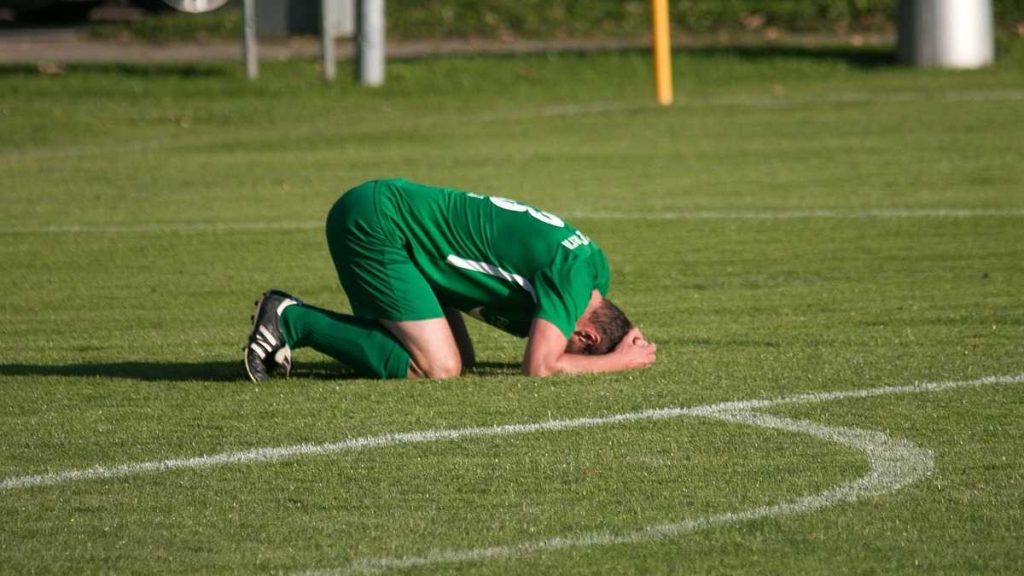
Psychological strain is not reserved for delicate gymnasts weeping in a changing room over a poor score or sheer exhaustion. Sir Alex Ferguson, the legendary Manchester United manager, became famous for his uncompromising motivational style—the so-called “hairdryer treatment,” with shouted instructions delivered inches from a player’s face. Toward the end of his career, however, he noticed that the method no longer worked on everyone.
Young players look tough with their tattoos and piercings, but they are more fragile than they used to be. Now some of them cry in the dressing room.
– Ferguson once admitted.
Does that mean apparently tough men are simply pretending? In some cases, perhaps. But the conflict between mental toughness and well-being reaches even the hardest individuals. Professional boxers, who risk their health and sometimes their lives in every bout, remain the textbook image of toughness.
A few years ago, Tyson Fury—the heavyweight champion who later announced his retirement—spoke openly about his struggle with depression. At the height of his fame, he stepped away from the sport for 2 and a half years. He described being haunted by “demons” he did not at first understand.
They pulled me down like a bag of stones just as I was reaching for the world title. The second part of my career began in 2018, after a brutal fight for my mental health—a fight I am still winning today.
– he wrote.
Depression caused by sensory or emotional overload does not mean people should avoid challenges. On the contrary, building psychological strength to withstand stress is essential. Equally important is cultivating emotional resilience—the capacity to recover when resistance breaks down. In psychology, resilience is often described as a dynamic process of positive adaptation under serious adversity rather than a fixed, all-purpose trait.
That word dynamic matters. A person may be resilient in one area and deeply vulnerable in another. A stoic response to one hardship offers no guarantee of protection from the next. Yet because resilience develops through context, action and repetition, it can be strengthened over time—much like physical muscle.
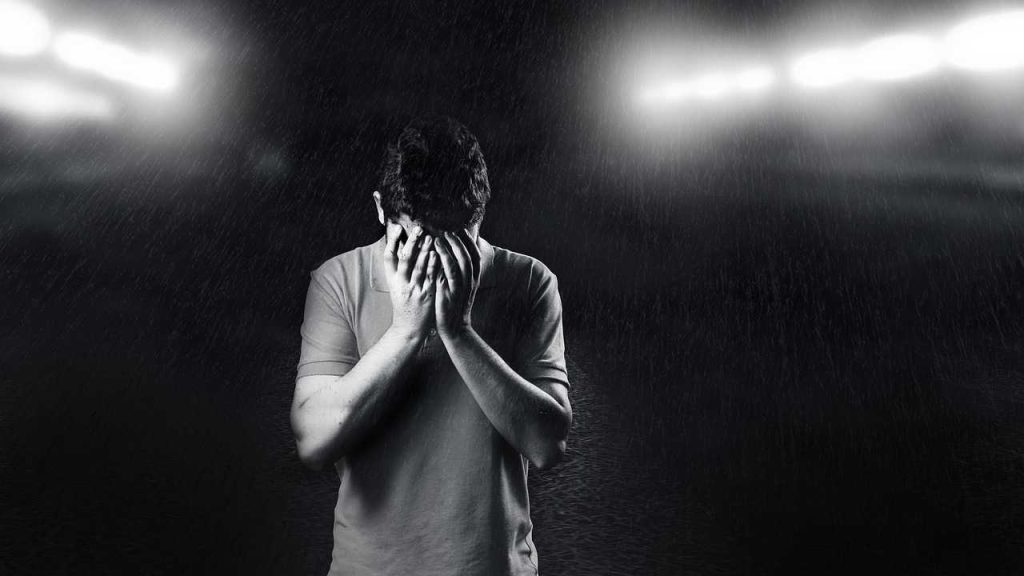
What traits define people who cope well with pressure? One influential answer comes from Professor Peter Clough’s 4Cs model, which frames mental toughness around Challenge, Confidence, Commitment and Control. In this model, mentally tough people are more likely to treat difficulty as opportunity, believe in their own capacities, persist with tasks and feel that they can influence their circumstances rather than being ruled entirely by outside forces.
Psychologists also stress that functioning within this framework does not exclude sensitivity. Sensitivity is not weakness, and it is not identical to empathy. In fact, highly resilient people are often deeply responsive to the suffering of others. Newer research in sport psychology likewise treats mental toughness and psychological well-being not as enemies, but as connected factors whose balance matters for long-term functioning.
True strength belongs to people who can regain balance after trauma—who preserve a sense of agency and inner force without losing their capacity for empathy. Yet even the strongest must remember that they are not indestructible. Balancing mental toughness and well-being is not a sign of weakness. It is the real condition of a sustainable life.
Read this article in Polish: Silni ludzie też płaczą. Psychika łamie się w ciszy


Journalist, columnist, publisher, and commentator. He was, among other things, the editor and chief of news and journalism at Wirtualna Polska and the publisher of the i.pl portal. Additionally, he collaborated with TVP, the weekly "Do Rzeczy", and the websites www.superhistoria.pl and www.wprost.pl.

Truth & Goodness
15 September 2026


Zmień tryb na ciemny