Science
Before There Are Planets, There Is Dust
16 October 2026





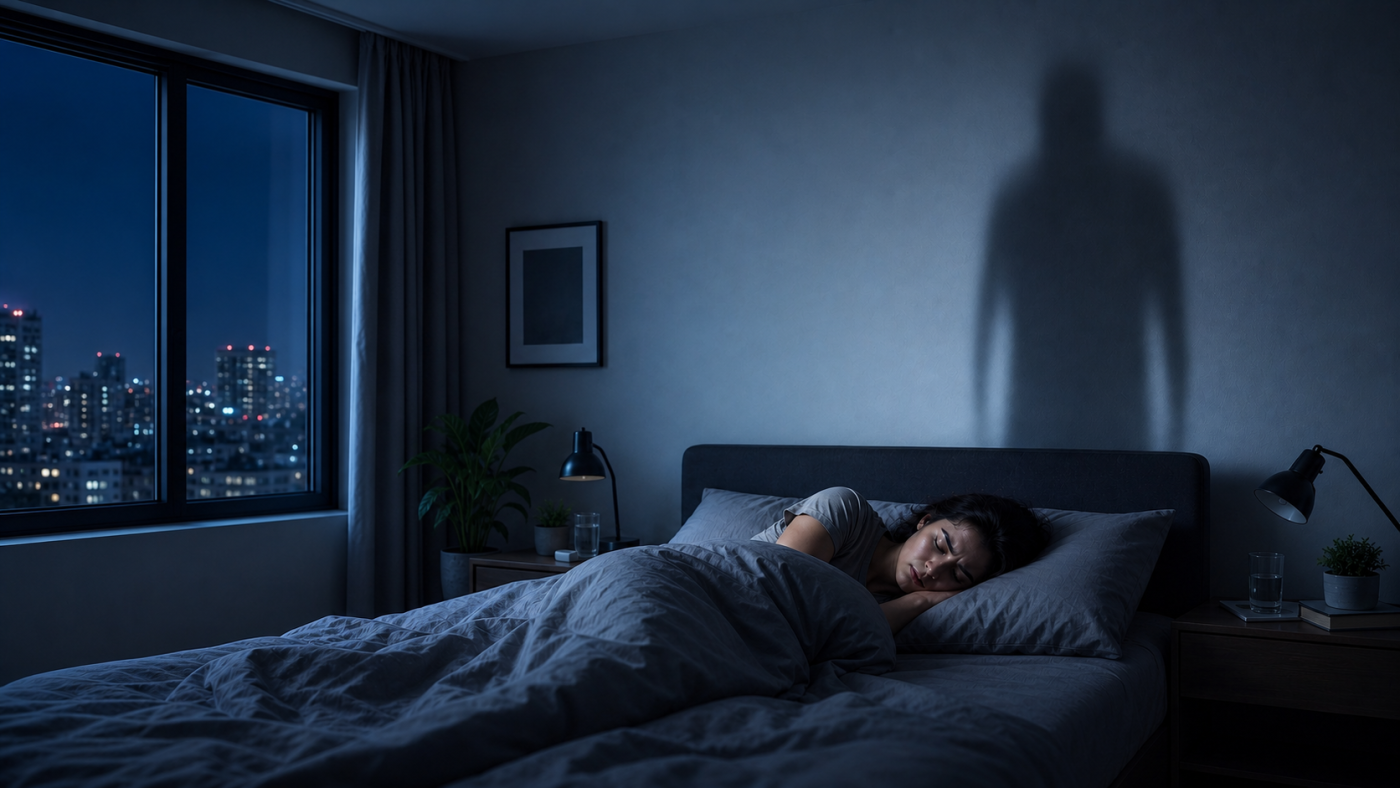
The causes of nightmares were once sought in supernatural forces: possession, haunting, or demonic punishment. Today, science looks to the mechanisms of the brain. But in that process, do we risk losing something important?
Recent research published in Dreaming describes a surprisingly consistent pattern in “demonic” nightmares. It turns out that “demonic attacks” in dreams often do not appear suddenly. They usually announce themselves subtly a few nights earlier: as a vague, threatening presence, a strange figure, or a shift in the surroundings.
Over time, the threat escalates until it reaches a climax: a feeling of total helplessness, the breaking of the laws of physics, and a confrontation with something the dreamer experiences as evil. The demonic figure that appears in nightmares strikes at the core of what we fear: physical destruction, loss of identity, and complete powerlessness in the face of danger.
In the past, it seemed obvious that such experiences must have a supernatural source. Today, when we look for the causes of nightmares, we turn to the language of psychology, neurobiology, and sleep disorders. The latest research suggests that demonic dreams may result from an overloaded emotional processing system.
When intense fear, stress, or trauma are not properly “processed” while we are awake, the brain tries to integrate them during sleep. If that process fails, emotions take the form of exceptionally violent, recurring nightmares. Seen in this light, the causes of nightmares do not lie “outside,” in evil powers, but “inside”: in the way our brain copes, or fails to cope, with its own memories and affects.
The demon becomes an image of what overwhelms us: an oppressive boss, an abusive partner, a guilt that will not let us rest, or existential fear. Above all, however, it symbolizes the very experience of helplessness before reality. What frightens us most is not so much supernatural evil as the discovery that we do not have full control over the world, or even over our own psyche.
In this sense, modern science, by studying the causes of nightmares, plays the role of a particular kind of “exorcism.” Instead of driving out demons through prayer, we drive them out through explanation. We show that what once seemed like the work of evil spirits results from REM sleep phases, patterns of brain arousal, earlier psychological wounds, or the influence of horror films watched before bed. The world becomes more predictable, less haunted, more familiar.
The attempt to understand nightmares reveals something paradoxical: humanity’s greatest enemy is not supernatural evil, but the radical opacity of the world and of ourselves. The human mind does not like chaos or helplessness. It is easier to accept that a nightmare is “only” the brain processing the day’s tensions than to confront the question of whether something more may be hidden in that experience.
We fear not so much demons as what we do not understand: the feeling that we lack control over reality. The naturalization of fear thus becomes a form of self-defense. By giving phenomena rational labels, we try to tame them.
Science restores a sense of agency in this way. It shows that we are not merely victims of forces that cannot be named or stopped. Instead of speaking about “haunting,” we can speak about symptoms that can be addressed. This has undeniable value. By understanding the causes of nightmares, we can help those tormented by them more effectively.
At the same time, however, we lose something in this process of naturalization. In the past, the symbolic language of demons, possession, or spiritual trials gave people interpretive frameworks in which nightmares and other extreme boundary experiences became part of a larger story about good and evil, sin and redemption, trial and transformation. A religious or mythological narrative, however frightening, gave meaning to what was happening.
When we speak only of neurons, sleep disorders, and anxiety disorders, we risk stripping these experiences of their symbolic dimension. A nightmare becomes a “system error,” not a drama that says something important about our moral life, relationships, fear of death, or guilt. Yet many psychotherapists and philosophers stress that the story we tell about our suffering is crucial to its integration: to whether we manage to include a traumatic experience within the meaningful whole of a biography.
We may therefore ask whether the full rationalization of demonic dreams impoverishes our language for describing the inner world. Perhaps we need both perspectives: the scientific one, which answers the question of the causes of nightmares, and the symbolic one, which allows us to ask what these nightmares “say” about the human condition.
In the end, the greatest enemy is not supernatural evil, but unconsciousness and the avoidance of confrontation with what is darkest in us. Science helps us understand it. Spirituality helps us integrate it. The healthiest approach joins the two, leaving room for mystery.
Read this article in Polish: Koszmary mają wzór. Czy wyjaśnianie naszych lęków ma sens?

A Journalism and Social Communication graduate with 15 years of experience in the media industry. He has worked for titles such as "Dziennik Łódzki," "Super Express," and "Eska" radio. In parallel, he has collaborated with advertising agencies and worked as a film translator. A passionate fan of good cinema, fantasy literature, and sports. He credits his physical and mental well-being to his Samoyed, Jaskier.

Zmień tryb na ciemny