Science
Before There Are Planets, There Is Dust
16 October 2026





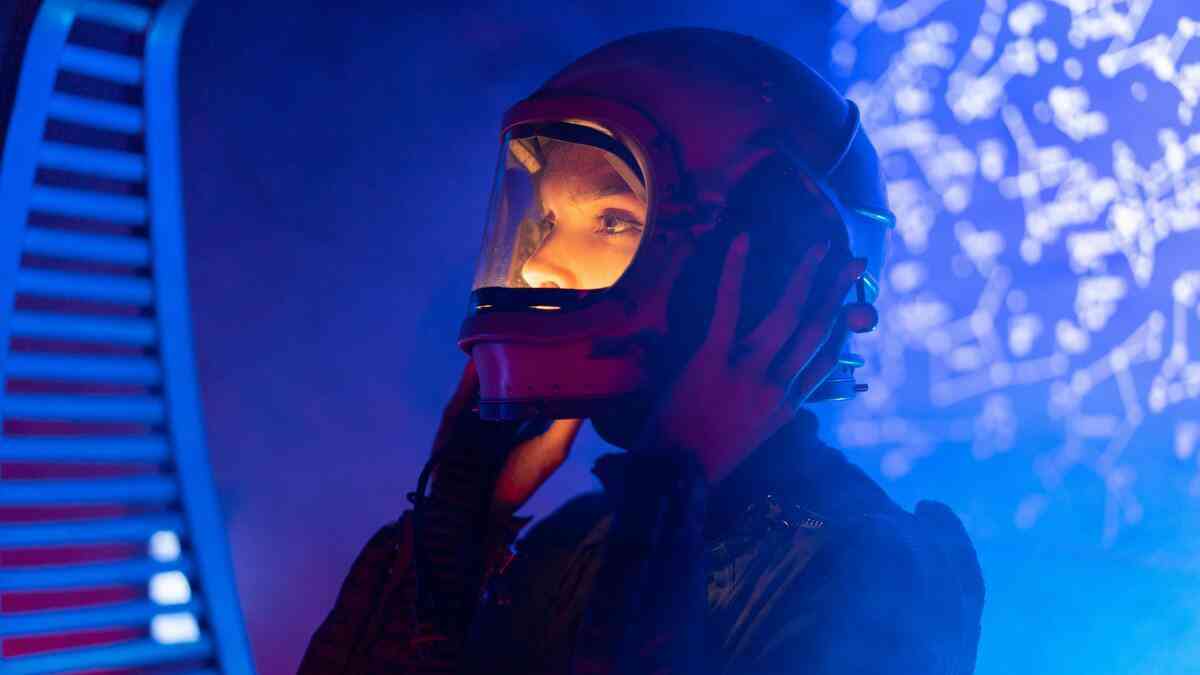
Humans have long looked at the stars not only out of scientific curiosity, but from a deeper, almost spiritual need. We want to know whether we are alone in the universe. Contact with an alien civilization still strains the imagination. But what happens when it finally becomes real?
We explore the cosmos for many reasons, but one question always lingers in the background: are we alone? SETI’s radio telescopes scan the sky for signals from distant intelligences. Rovers on Mars chase traces of ancient life. Telescopes hunt for a “second Earth,” where biology may have taken a path different from our own.
Programs like Artemis — with their plans for permanent lunar bases and technologies designed for deeper missions than ever before — mark another step forward. At some point, the purely hypothetical “what if?” may turn into a very concrete “what now?”
If contact with an alien civilization ever becomes reality, it will not register as a mere scientific curiosity. It will feel like a civilizational shock. It will challenge our religions, our philosophies, and our sense of uniqueness. It will test whether we can think of ourselves as a single species, rather than a cluster of competing tribes.
In his Remembrance of Earth’s Past trilogy, Liu Cixin offers one of the bleakest visions of that test. In his metaphor, the universe resembles a dark forest. Every civilization hides in the shadows like a hunter, uncertain of the intentions of others but fully aware that survival is at stake. To reveal one’s position is to risk immediate destruction — better to shoot first than wait to be seen.
In this forest, other people are hell — a threat to every living being that will be swiftly eliminated if it exposes its existence.
Behind this literary image lies a cold logic. We do not know the intentions of other civilizations, and we have no reason to assume they share our values. At the same time, each side must assume that the other, if sufficiently advanced, could become a threat. In such a world, alien contact might turn out to be less an opportunity than a sentence — the moment when someone, somewhere decides it is safer to eliminate a newly discovered neighbour before it becomes dangerous.
At heart, Liu asks a disquieting question: if we struggle to coexist peacefully among ourselves, why should we expect cosmic pacifism?
A very different vision appears in Project Hail Mary by Andy Weir. There, the protagonist discovers that the same astrophysical threat facing Earth endangers another civilization as well. The encounter does not spark conflict, but an unlikely alliance.
In this scenario, contact with an alien civilization forces us to move beyond fear and prejudice. Cooperation becomes the only path to survival, despite differences that extend to biology, language, and even modes of thought. Weir shows that radical difference does not preclude solidarity. On the contrary, it may demand it.
It is impossible to say which of these scenarios lies closer to reality — Liu Cixin’s dark forest or Weir’s fragile friendship. Yet both reveal something essential about us. They expose our fears and our hopes more clearly than many scientific reports ever could.
Both also suggest a more unsettling possibility: that the greatest obstacle in any future encounter will not be the alien, but ourselves. Our tendency toward violence. Our instinct for tribal division. Our habit of turning the unfamiliar into a threat.
If humanity is ever to coexist peacefully with beings beyond Earth, it must first learn at least a minimal form of peaceful coexistence within its own species. Programs like Artemis and SETI bring us closer to the moment when contact with an alien civilization will no longer belong to fiction. The real question is whether, by then, we will have learned to step out of the role of the hunter in the dark forest — and respond to an unknown “hello” with something other than fear.
Read this article in Polish: To najtrudniejszy test ludzkości. Co się stanie, gdy „ich” spotkamy?

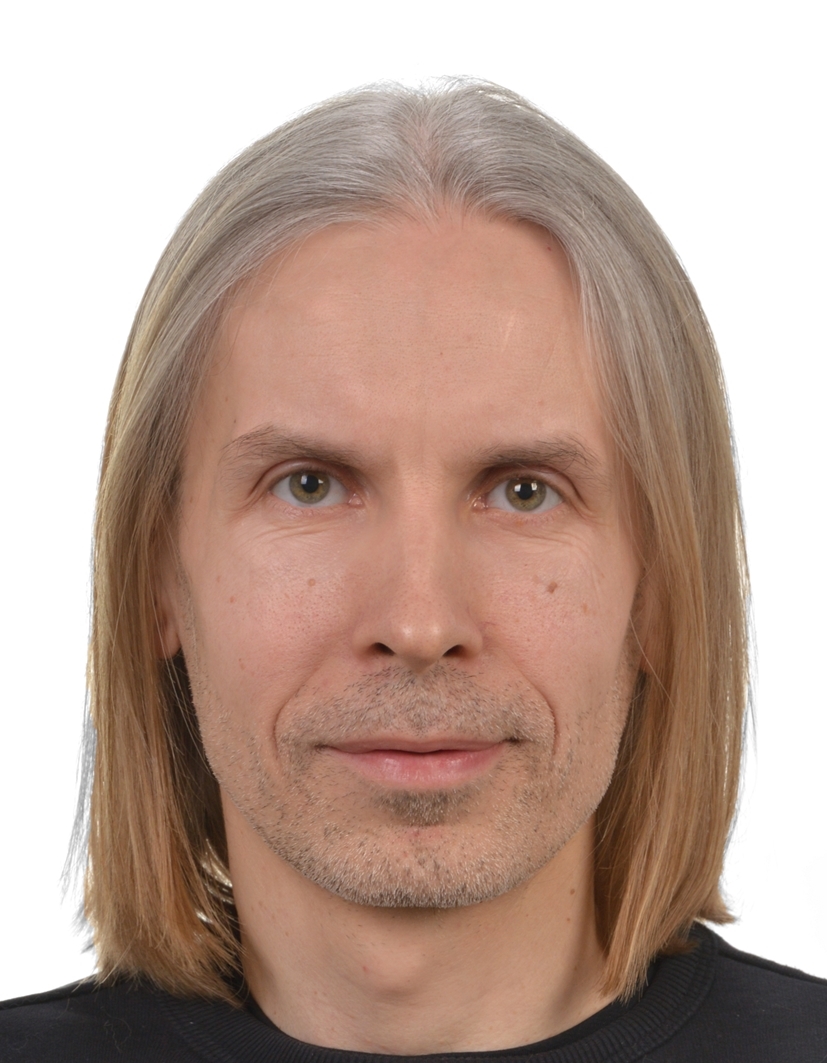
A Journalism and Social Communication graduate with 15 years of experience in the media industry. He has worked for titles such as "Dziennik Łódzki," "Super Express," and "Eska" radio. In parallel, he has collaborated with advertising agencies and worked as a film translator. A passionate fan of good cinema, fantasy literature, and sports. He credits his physical and mental well-being to his Samoyed, Jaskier.

Zmień tryb na ciemny