Truth & Goodness
Played for Money. Gambling Addiction Was Taking a Life
13 September 2026





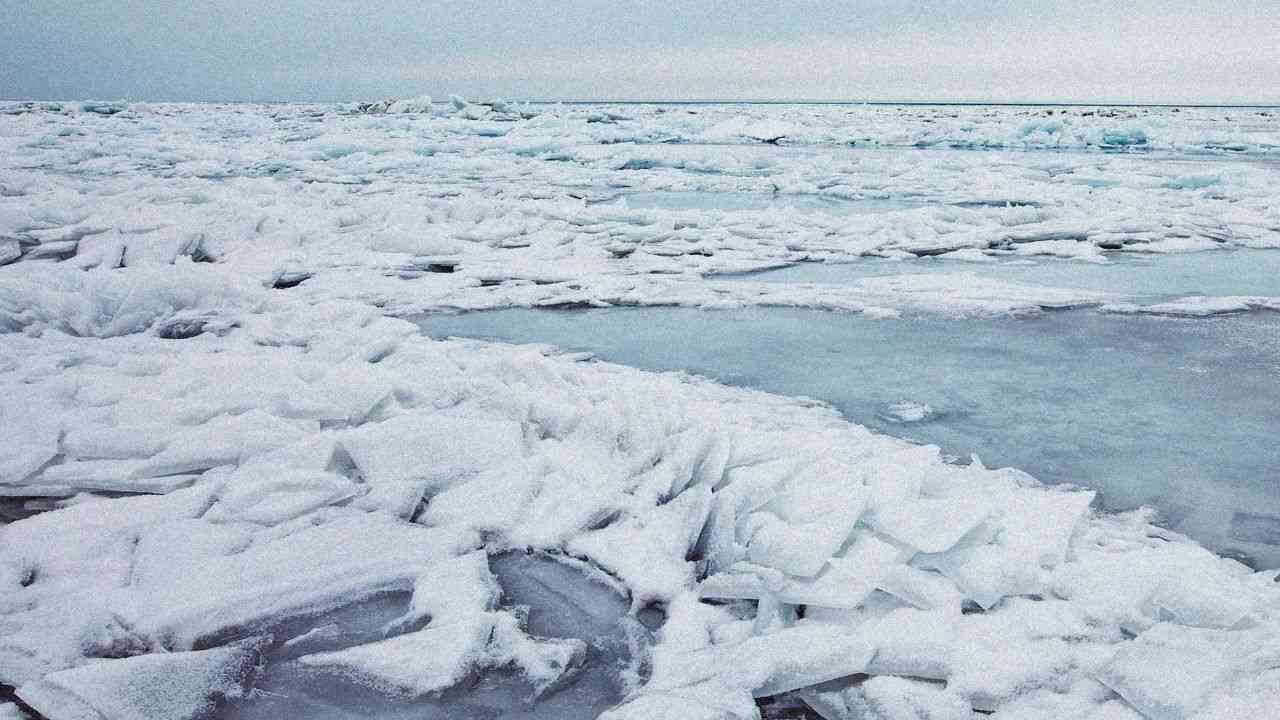
For more than 60 years, one of climate science’s most important calculations refused to add up. Seas were rising, and measurements showed it, but the explanation for the whole process remained highly uncertain. Now an international team of researchers has closed the sea level rise budget since 1960 and shown what is really lifting the water.
Scientists, including researchers from the Institute of Atmospheric Physics at the Chinese Academy of Sciences and Tulane University, analysed data from recent decades. The results are troubling, but also highly precise.
Since 1960, sea levels have risen by an average of 2.06 millimetres per year. Between 1993 and 2023, the pace had already increased to 3.41 mm per year. In the period from 2005 to 2023, it reached 3.94 mm per year — almost two times more than across the entire period studied.
The single biggest culprit is not melting ice, as many had assumed, but the warming of the oceans. It accounts for 43 percent of the total long-term increase in sea level since 1960. The mechanism is simple: water, like most liquids, takes up more space when it warms. It expands.
In second place comes the melting of mountain glaciers, which accounts for 27 percent. Next are the melting of the Greenland ice sheet, at 15 percent, and Antarctica, at 12 percent. Only three percent of the increase results from changes in the amount of water stored on land, for example in lakes, reservoirs, and groundwater.
The study also revealed an interesting pattern. Glaciers, which many had considered the main culprit behind rising water levels, became a significant threat only after 1993. Earlier, ocean warming and changes in land water storage dominated the picture. The findings, described in the scientific journal Science Advances, matter for another reason as well.
Thanks to new, more precise satellite data, improved corrections for land movement, and more accurate measurements of ice loss in Greenland and Antarctica, scientists have finally managed to close the budget with a very small residual error — just 0.17 mm per year. That is a major success after decades of uncertainty and conflicting estimates. We now have a much clearer picture of the situation.
Sea level is rising primarily because temperatures are increasing. Warmer water expands, while ice sheets and glaciers melt, adding more water to the oceans. Human activity, which increases the amount of greenhouse gases in the atmosphere, remains the main driver of today’s global warming effects. But something else is also worrying.
Even if we completely stopped greenhouse gas emissions tomorrow, sea levels would still continue rising for hundreds of years. Oceans absorb enormous amounts of heat and release it very slowly because they have immense thermal inertia.
According to other studies, at the current pace of warming, as much as 99 percent of glaciers in the Rocky Mountains in the United States could disappear. This shows the scale of the changes that will affect coastlines around the world — from Bangladesh and the small islands of the Pacific to Poland’s Baltic coast. If the world fails to limit global warming, the coming decades may bring what researchers describe as the peak of glacier loss. Sea level rise will not end when we finally understand it; it will keep unfolding long after the balance sheet has been closed.
Read this article in Polish: Morza rosną coraz szybciej. Nie tylko przez topniejący lód


A graduate of journalism and social communication at the University of Rzeszów. She has been working in the media since 2019. She has collaborated with newsrooms and copywriting agencies. She has a strong background in psychology, especially cognitive psychology. She is also interested in social issues. She specializes in scientific discoveries and research that have a direct impact on human life.



Zmień tryb na ciemny